
RBI Opens Dollar Window for Oil Firms to Support Rupee
The Reserve Bank of India has launched a special dollar window for state-owned oil companies to stabilize the rupee amid currency strain. This measure aims...
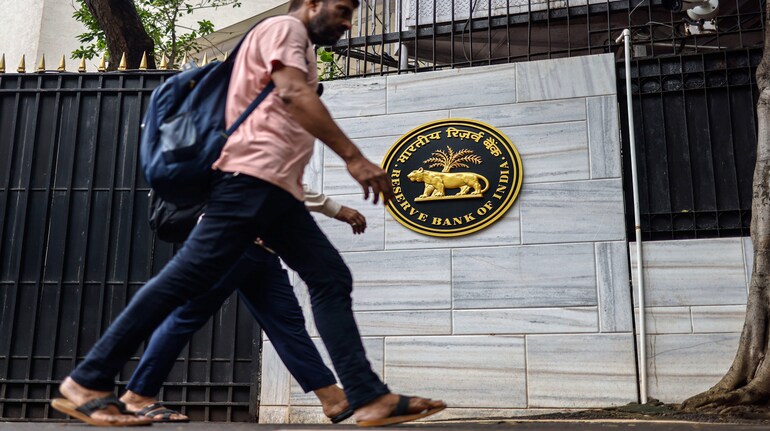
The Cliff News | 10 October 2026
The Reserve Bank of India (RBI) has introduced new measures to bolster the Indian rupee, which has approached its record low. A key initiative involves opening a dedicated window to provide dollars directly to three major government oil-marketing companies.
This special arrangement will allow Indian Oil, Hindustan Petroleum, and Bharat Petroleum to access dollars from the RBI's foreign exchange reserves starting Monday. The facility is designed to meet their daily dollar requirements, thereby alleviating pressure on the foreign exchange spot market.
Supporting the Rupee Amidst Strain
The RBI's intervention comes as the Indian rupee faces significant strain. By directly supplying dollars to these crucial oil importers, the central bank aims to ensure a stable supply of foreign currency, which is vital for managing the country's energy needs and maintaining economic stability.
This type of facility is typically employed by the RBI during periods of currency weakness. It directly injects foreign currency into the market, helping to curb excessive depreciation of the rupee.
Forex Market Restrictions
In addition to the dollar window, the RBI has also implemented restrictions to prevent speculative trading. Forex dealers will be prohibited from allowing users to rebook any foreign exchange derivatives. This measure is intended to curb potential market manipulation and further stabilize the currency.
The combined actions by the RBI signal a proactive approach to manage currency fluctuations and protect the rupee from significant downturns, especially given its proximity to historical lows. The aim is to instill confidence in the market and ensure the smooth functioning of essential economic activities.