
Owner of Sresan Pharmaceuticals Arrested After Coldrif Cough Syrup Linked to Deaths of 21 Children in MP and Rajasthan
The owner of Chennai-based Sresan Pharmaceuticals, the manufacturer of Coldrif cough syrup, has been arrested after a toxic chemical found in the medicine was linked...
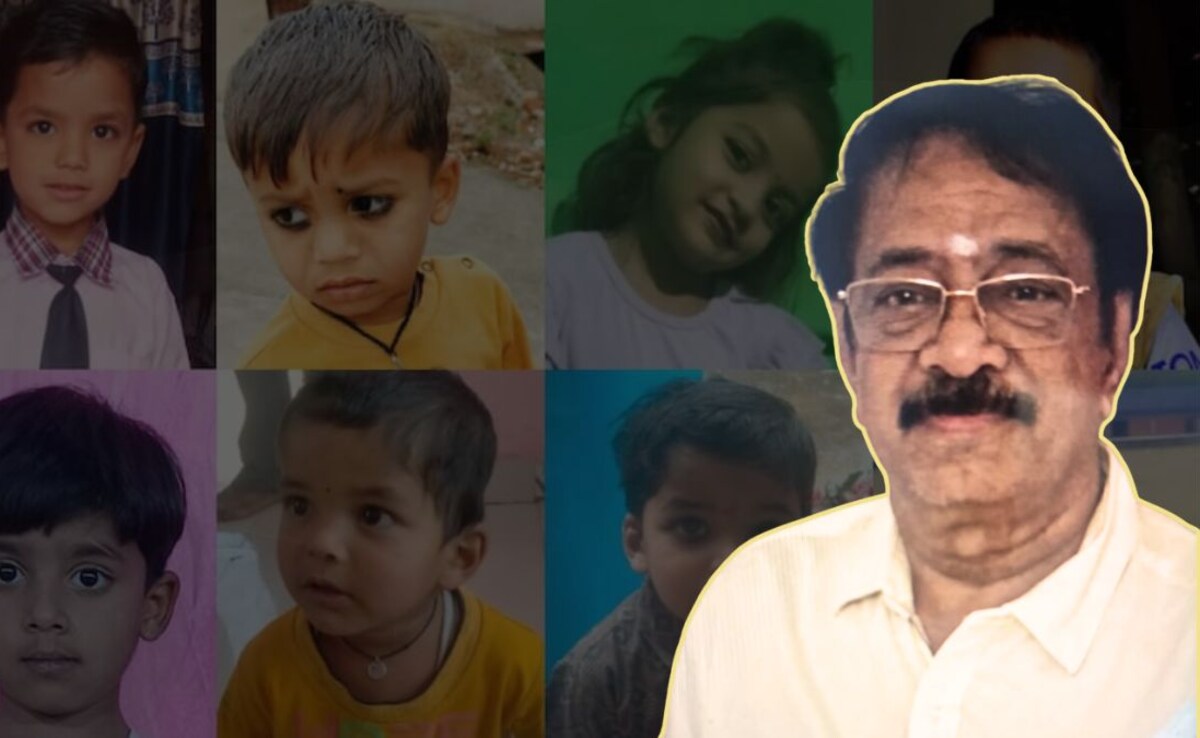
The owner of Chennai-based Sresan Pharmaceuticals, the manufacturer of Coldrif cough syrup, has been arrested after a toxic chemical found in the medicine was linked to the deaths of at least 21 children across Madhya Pradesh and Rajasthan. The company has since been permanently shut down, with authorities uncovering alarming safety violations and the illegal use of industrial-grade chemicals in its production.
Arrest in Chennai After Widespread Tragedy
Ranganathan, the proprietor of Sresan Pharmaceuticals, was arrested late Wednesday night from his residence in Kodambakkam, Chennai. The arrest followed an intense manhunt by the Madhya Pradesh Police, who took him into custody with the assistance of local law enforcement. Officials confirmed that he will be transferred to Chhindwara district—where most of the child fatalities occurred—after securing a transit remand.
According to police sources quoted by ANI, Ranganathan was initially detained for questioning and later formally arrested based on evidence gathered from the company’s factory and supply chain. Investigators said additional arrests are expected as the probe expands.
Factory Inspections Reveal Shocking Violations
An inspection by the Tamil Nadu Drugs Control Department exposed appalling manufacturing conditions at Sresan Pharmaceuticals’ facility in Kancheepuram. A detailed 26-page report cited over 350 regulatory violations, including rusted machinery, unhygienic production areas, and the use of non-pharmaceutical-grade chemicals.
Testing revealed that diethylene glycol (DEG)—a toxic industrial solvent used in antifreeze—was present in concentrations as high as 48%, far exceeding the permissible limit of 0.1%. Exposure to DEG can cause acute kidney failure and death, particularly in children. The presence of such high quantities of the chemical has been described by experts as a “catastrophic breach of basic pharmaceutical ethics and safety.”
Following the findings, the Tamil Nadu regulator suspended the company’s license and issued an immediate stop-production order.
Distribution Across Multiple States
Authorities have traced the distribution of Coldrif syrup to several states, including Madhya Pradesh, Rajasthan, Odisha, and Puducherry. Most of the confirmed deaths occurred in Chhindwara, where local hospitals reported a sudden spike in cases of acute renal failure among children who had consumed the cough syrup.
Officials from the Central Drugs Standard Control Organisation (CDSCO) told India Today TV that they had previously flagged the manufacturer’s violations and urged the cancellation of its license once toxic contamination was confirmed.
Regulatory Accountability Under Scrutiny
The tragedy has reignited debate over gaps in India’s pharmaceutical oversight system. Under existing rules, State Drug Controllers are responsible for issuing and monitoring manufacturing licenses (Form 25) for allopathic formulations. While the CDSCO serves as the central regulatory body, enforcement at the ground level largely depends on state authorities.
A senior Union Health Ministry official stated that the ministry had “requested immediate license cancellation” after the contamination report was verified, but emphasized that “the ultimate responsibility for compliance lies with the respective State Drug Controller.”
Public health experts argue that the case underscores the urgent need for a national review of India’s drug manufacturing standards, particularly for small and mid-sized pharmaceutical firms that often operate with minimal supervision.
A Pattern of Preventable Tragedies
India has witnessed several incidents involving toxic cough syrups over the past decade, including international cases where contaminated Indian-made medicines led to child fatalities in The Gambia and Uzbekistan. Despite these warnings, enforcement remains inconsistent, especially among local manufacturers lacking Good Manufacturing Practices (GMP) certification—something Sresan Pharmaceuticals never obtained.
Dr. Meera Krishnan, a pharmaceutical safety expert based in Chennai, said the case represents “a systemic failure of quality control.” She added, “Until we have uniform inspection standards and real-time data sharing between state and central authorities, such tragedies will continue to happen.”
What Happens Next
Ranganathan will face charges under sections of the Drugs and Cosmetics Act and Indian Penal Code related to negligence and culpable homicide. Police said his interrogation will focus on sourcing details of the contaminated ingredients and whether company officials knowingly bypassed safety regulations.
Meanwhile, both state and central regulators have sealed the Kancheepuram facility and initiated a broader audit of other manufacturers that may have procured or distributed similar chemical stock.