
Oil Prices Waver Amid Iran War Uncertainty: Hormuz Strait Closure Looms
Oil prices fluctuate as the market weighs potential Iran war de-escalation against Strait of Hormuz closure.
Top Summary
- What happened: Oil prices are volatile due to conflicting signals about a potential end to the U.S.-Iran conflict and the continued closure of the Strait of Hormuz.
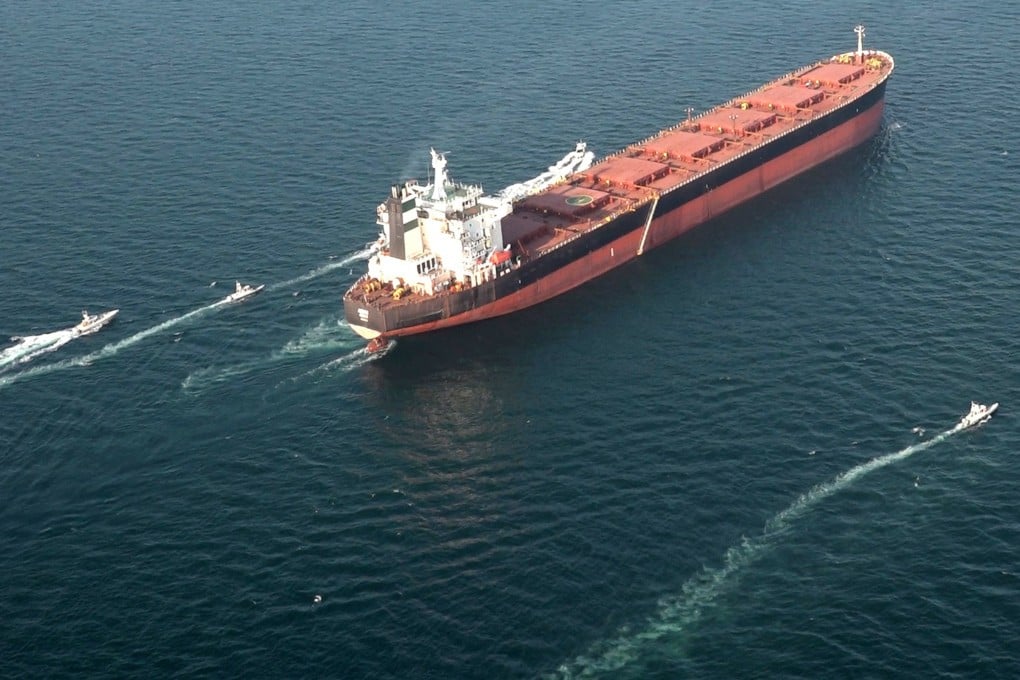
- Why it matters: The Strait of Hormuz is a critical global oil transit route, and its closure could lead to significant supply disruptions and price increases.
- What changes for people: Consumers could face higher fuel costs if the Strait remains closed and supply tightens. Businesses reliant on oil will also be impacted.
- Who is affected: Global oil markets, consumers, energy companies, and countries dependent on oil exports, particularly Saudi Arabia and Kuwait, are all affected.
Oil Market Reacts to War Signals
Oil prices showed little movement on Tuesday as investors assessed the possibility of the U.S. ending its conflict with Iran against the backdrop of supply concerns. These concerns stem from a potential prolonged closure of the Strait of Hormuz. Brent crude futures for May edged up 0.16% to $112.96 per barrel.
U.S. West Texas Intermediate futures for May dipped slightly to $102.63 a barrel. The market is reacting to signals around the potential end of the war.
Trump's Stance on Iran
President Trump has reportedly told aides he is willing to end the military campaign against Iran. He's purportedly okay with leaving the reopening of the Strait of Hormuz for a later date, according to The Wall Street Journal.
However, Trump had previously warned that the U.S. would "obliterate" Iran's energy plants and oil wells if Tehran did not reopen the waterway.
Strait of Hormuz Closure Impact
The effective closure of the Strait of Hormuz has already significantly impacted oil prices. Brent futures are up 59% this month, marking their highest monthly gain ever, while WTI is up 58%, the most since May 2020.
"While diplomatic signals remain mixed, the ground reality suggests that uncertainty will persist," said Sugandha Sachdeva, founder of SS WealthStreet.
Even if tensions de-escalate, restoring damaged infrastructure will take time, keeping supply tight.
Attacks on Oil Infrastructure
Kuwait Petroleum Corp reported that its crude oil tanker Al Salmi, capable of carrying up to 2 million barrels, was allegedly struck by an Iranian attack at a Dubai port. Officials have also warned of potential oil spills.
Yemen's Houthi forces targeted Israel with missiles, raising concerns about disruptions to the Bab el-Mandeb strait. This is a key route for ships moving between Asia and Europe via the Suez Canal.
Shifting Trade Routes
Saudi crude exports have been rerouted through the Bab el-Mandeb strait. Volumes redirected from the Gulf to the Red Sea port of Yanbu reached 4.658 million barrels per day last week.
This represents a sharp rise from an average of 770,000 bpd in January and February, according to Kpler data.
Potential Oil Shortages
"With the oil market's remaining buffers gradually being consumed, the market's vulnerability to a prolonged closure of the strait means that we are moving closer to physical oil shortages across a wider geographic scope, and the upward momentum for oil prices is likely to strengthen further," said Lin Ye, a vice president for commodities markets and oil at Rystad Energy.
U.S. crude oil stockpiles are expected to have fallen last week. Distillate and gasoline inventories are also expected to be down, according to a preliminary Reuters poll.
What to Watch Next
The market will be closely watching for any developments regarding the Strait of Hormuz and diplomatic efforts between the U.S. and Iran. Any concrete steps toward de-escalation or infrastructure restoration will likely influence future price movements.