
Officials Trained on Waste Management, Supreme Court Directives to be Adhered To
A workshop trained municipal officers from Bhopal and Narmadapuram divisions on solid waste management rules and Supreme Court guidelines.
नौगाँव मध्य प्रदेश | राकेश पाठक
Officials Trained on Waste Management Rules and Supreme Court Guidelines
The Urban Development and Housing Department organized a one-day training workshop in Bhopal for Chief Municipal Officers from the Bhopal and Narmadapuram divisions. The training focused on the effective implementation of the Solid Waste Management Rules 2026 and stringent Supreme Court directives.
The primary objective of this crucial program was to enhance the understanding and capacity of officials regarding waste management. This will enable them to ensure strict adherence to these rules at the local level. The workshop was inaugurated by D. P. Tiwari, advisor at the All India Institute of Local Self-Government and an IAS officer.
Supreme Court's Mandate on Waste Management Accountability
D. P. Tiwari explained that the Supreme Court has now transferred the complete responsibility for waste management to the District Collector. This is a significant shift designed to establish accountability in the waste disposal process.
K. R. Sharma, the Regional Director, also highlighted the institution's hundred-year journey and the achievements of its diploma courses.
Incentives and Penalties Under New Regulations
Dr. Ketana Matkar, a trainer from Delhi, guided participants on methods to encourage bulk waste generators to manage their waste at their own level. She provided detailed information on the process of registering on the Central Pollution Control Board's portal and establishing bio-plants for waste processing.
The workshop emphasized the importance of segregating waste into four categories. Dr. Matkar further clarified that the scheme can be made economically viable through consumer charges.
Consumer Charge Exemptions for Citizens
According to the latest rules, citizens and institutions that regularly deposit their waste at designated locations will receive a 10 percent exemption on consumer charges. Additionally, those adopting methods like home composting or garden composting will get a further 5 percent discount, potentially leading to a total benefit of 15 percent.
This system is designed to incentivize citizens and institutions that comply with the regulations.
Future Plans and Certificate Distribution
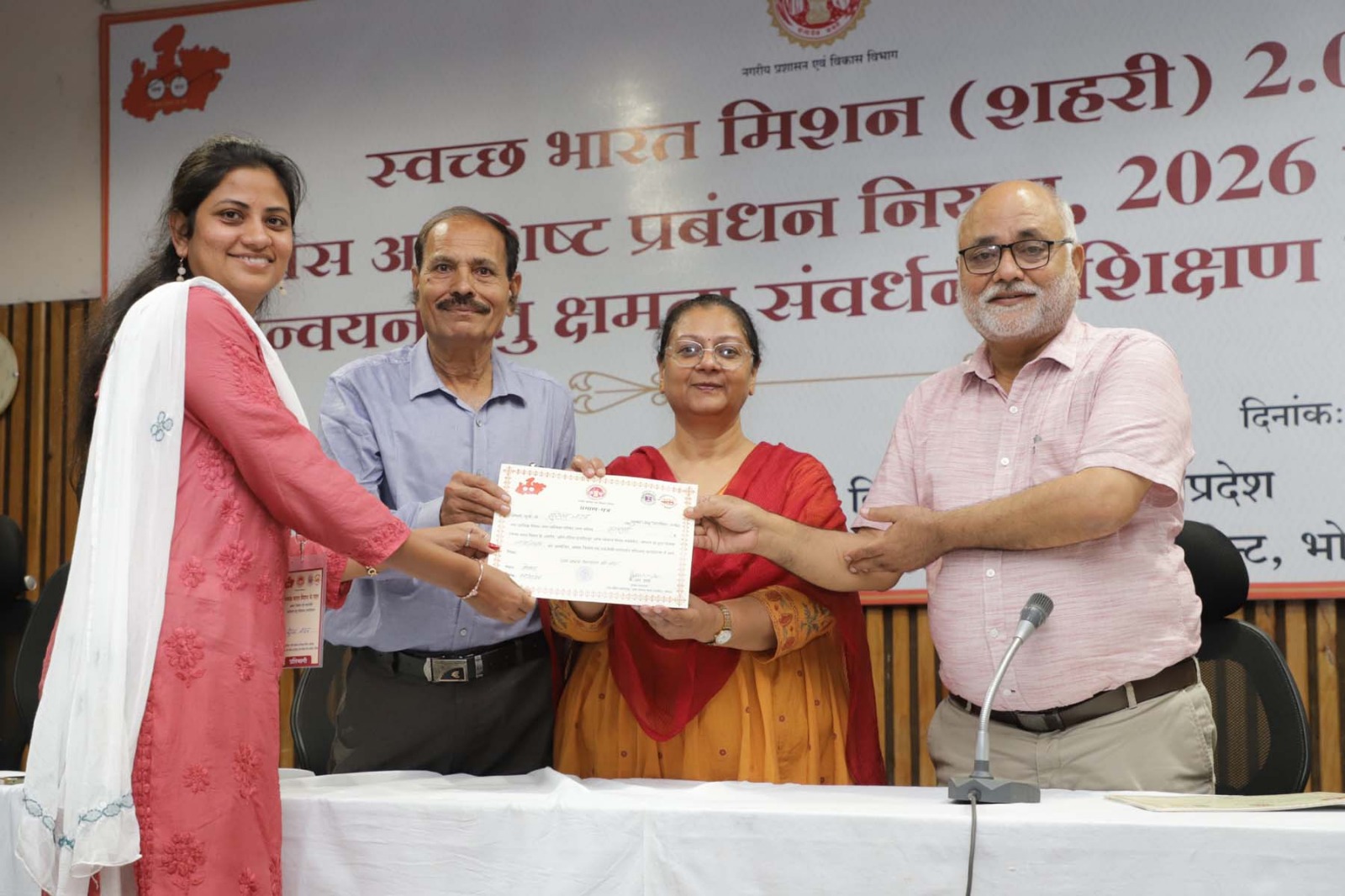
Certificates were presented to approximately 50 participants during the concluding session of the workshop. The Regional Director announced that the next training program will be held in the Sagar division.
Sanitation Ambassador D. D. Tiwari underscored the necessity of effective compliance with these rules, stating it is not only an adherence to Supreme Court orders but also a vital step towards creating a clean and healthy environment. This training will equip officials to face new waste management challenges and implement effective solutions.