
NGT Seeks Answers as Bhopal’s Air Quality Slips to Alarming Levels
The National Green Tribunal (NGT) has asked the Madhya Pradesh government and multiple regulatory agencies to explain why air quality in Bhopal has deteriorated so...
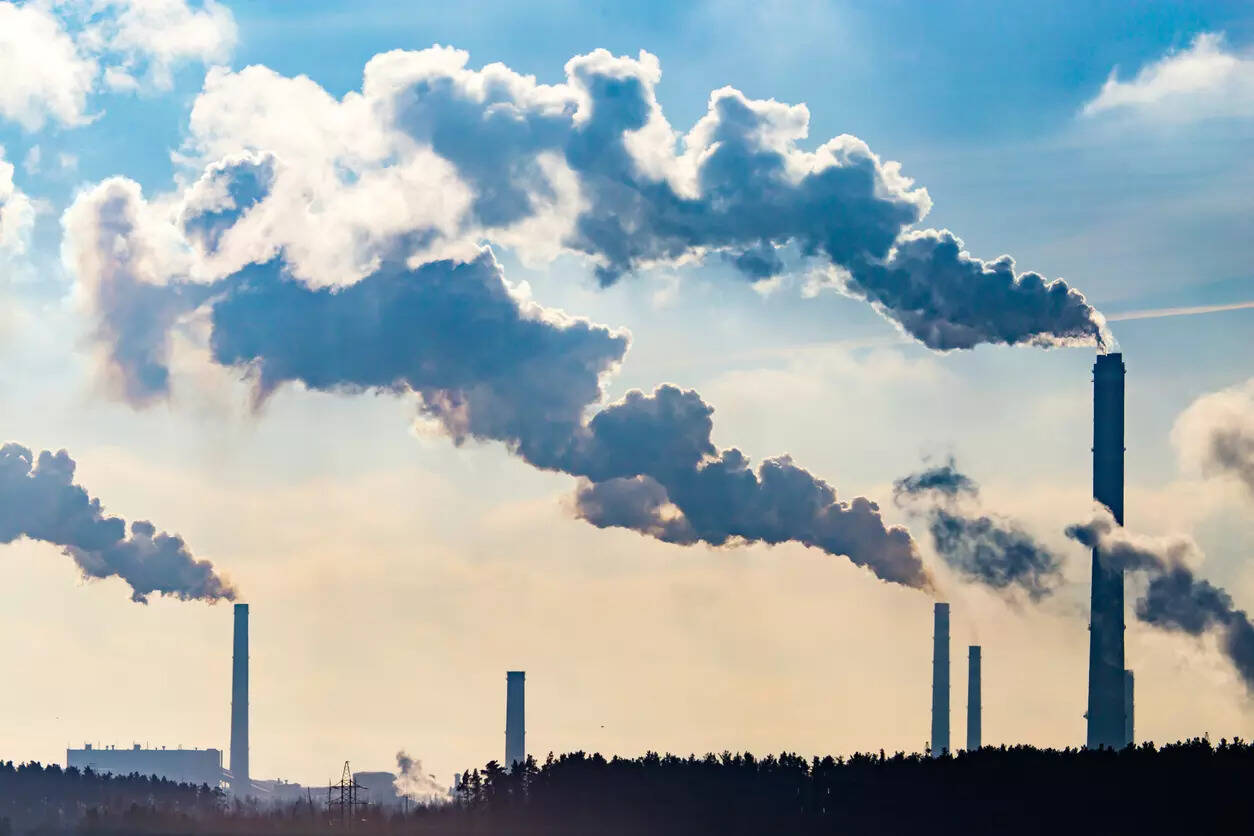
The National Green Tribunal (NGT) has asked the Madhya Pradesh government and multiple regulatory agencies to explain why air quality in Bhopal has deteriorated so sharply that, on several occasions, it has approached levels usually associated with Delhi’s winter smog.
Acting on a petition filed by the Bhopal Citizens’ Forum, the NGT’s central bench issued notices on December 22, giving authorities four weeks to respond. The matter is scheduled for further hearing on January 7.
Tribunal Steps In Over Public Health Concerns
The bench, comprising judicial member Justice Pushpa Sathyanarayana and expert member Sudhir Chaturvedi, described the case as one involving serious and escalating environmental harm. The petition alleges not only persistent air pollution but also inadequate regulatory action and possible manipulation of air quality data, raising concerns about citizens’ right to clean air.
Appearing for the petitioners, advocate Harpreet Singh Gupta told the tribunal that Bhopal has been experiencing prolonged spells of hazardous air. According to submissions made before the bench, the city’s Air Quality Index (AQI) has repeatedly fallen into the “very poor” category in recent months, with readings reported as high as 336. On one day in October, the AQI was said to have crossed 600, a level at which even brief outdoor activity can cause acute breathing distress.
From ‘City of Lakes’ to Pollution Hotspot
Once known for its relatively clean environment, Bhopal is now alleged to be the second-most polluted city in Madhya Pradesh, after the coal- and power-intensive region of Singrauli. The petition argues that the city’s decline reflects systemic failures rather than isolated lapses.
Gupta told the tribunal that official responses have been largely cosmetic. One frequently cited measure, he said, involved spraying water on roads to settle dust. While this may temporarily suppress visible particles, it does not address underlying emission sources and may merely shift pollution from one location to another.
Multiple Sources, Weak Enforcement
The petition identifies a wide range of pollution contributors. These include the continued use of banned firecrackers during the wedding season despite Supreme Court restrictions, construction activity operating without mandated dust-control measures, and ongoing stubble burning in surrounding areas even after an earlier NGT directive in 2024.
Other factors cited include poorly maintained roads that constantly resuspend dust, lax enforcement of vehicle pollution norms—nearly 40% of vehicles are allegedly operating without valid pollution-under-control certificates—and the use of coal-fired tandoors and kitchens by restaurants and street vendors, which the petition claims violates provisions of the Air (Prevention and Control of Pollution) Act.
Allegations of Data Manipulation
Perhaps the most serious allegation relates to the integrity of air quality monitoring itself. The petition claims that officials have been repeatedly spraying water around continuous ambient air quality monitoring stations at locations such as the collectorate, TT Nagar and Paryavaran Parisar in Shahpura. According to the petitioners, this practice can artificially lower local readings without improving overall air quality.
Gupta argued that such actions mislead the public and policymakers alike, undermining trust in regulatory institutions and obscuring the true extent of the health risk.
Constitutional and Legal Dimensions
The petition invokes Article 21 of the Constitution, which guarantees the right to life and has been consistently interpreted by courts to include the right to a clean and healthy environment. It also refers to Articles 48-A and 51A(g), which place duties on the state and citizens to protect the environment.
In support of these arguments, Gupta cited the Supreme Court’s 2024 judgment in MK Ranjit Sinh v. Union of India, which recognized a legally enforceable right to be protected from the adverse impacts of climate change. He told the tribunal that statutory obligations under the Air Act and rules framed by the Madhya Pradesh Pollution Control Board have not been adequately enforced, and that key environmental principles such as the precautionary principle and the public trust doctrine have been ignored.
What the Tribunal Is Being Asked to Do
Notices have been issued to the state government, the Bhopal Development Authority, the Public Works Department, the state and central pollution control boards, and the Madhya Pradesh Environment Impact Assessment Authority.
The petitioners are seeking binding directions that go beyond short-term measures. These include stricter enforcement across sectors, genuine emission controls, an end to what they describe as “cosmetic” interventions around monitoring stations, and a comprehensive citywide strategy that treats clean air as a fundamental right rather than an administrative afterthought.
As the case moves toward its January hearing, it is likely to test how seriously authorities are willing to address urban air pollution—not just in Bhopal, but in rapidly growing cities across India facing similar environmental pressures.