
New LA study finds newly built suburbs are 4.2°C hotter than older neighborhoods
A new scientific analysis reveals how building density, smaller yards, and younger trees in modern suburbs dramatically increase summer heat compared to older, greener residential...
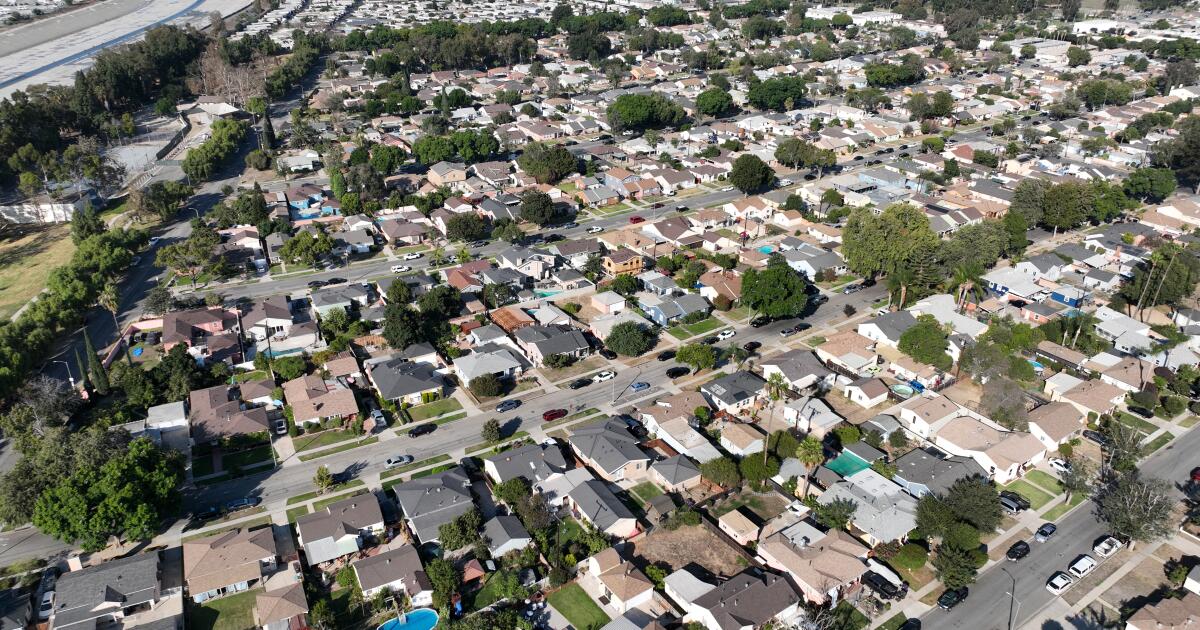
A new scientific analysis reveals how building density, smaller yards, and younger trees in modern suburbs dramatically increase summer heat compared to older, greener residential areas.
What happened: A Los Angeles–based study found that newly developed suburban neighborhoods are 4.2°C hotter in summer than older, tree-rich suburbs.
Why it matters now: Rapid suburban expansion continues across the U.S., and hotter residential zones increase health risks, energy demand, and climate vulnerability.
What changes for people: City planners may revise development rules, tree-planting guidelines, and urban-cooling strategies in response.
Who is affected: Residents of newer suburbs, urban planners, developers, environmental agencies, and communities experiencing extreme summer heat.
A new study examining suburban development in Los Angeles has revealed a striking pattern: new single-family suburban neighborhoods are, on average, 4.2°C warmer during summer compared to older, established suburbs.
Researchers used aerial imagery, street-level photos, and deep learning models to compare block-by-block thermal patterns, focusing on how buildings, vegetation, and land use shape local temperatures.
The findings highlight how suburban design choices—not just climate change—are intensifying heat exposure for millions of residents.
Why new suburbs are hotter: denser lots, fewer trees, and limited shade
The study identifies clear structural differences between old and new suburban layouts:
1. Higher lot coverage in new suburbs
Newly built neighborhoods have 27% more roof and building coverage, leaving less open land for vegetation.
2. Buildings packed closer together
Older suburbs had 23% wider spacing between homes, allowing airflow and space for mature trees.
3. Younger, shorter trees offer limited shade
In newer developments:
Most trees are small and recently planted
Grass lawns dominate front and backyards
Lack of canopy reduces natural shading
Grass cools far less effectively than large, mature trees.
4. Older suburbs benefit from tall, broad-canopy trees
The study found that:
Street trees were taller and more mature
Backyard trees created effective private shading zones
Dense, aged canopies cooled streets, sidewalks, yards, and spaces between homes
These design elements create a natural “cool island effect,” countering urban heat buildup.
Heat inequality: newer suburbs face lower cooling potential
The study concludes that newly developed suburban neighborhoods have lower inherent cooling capacity, meaning:
Higher daytime temperatures
Hotter nights
Greater AC use
Higher energy bills
Increased heat-related health risks
In fast-growing regions such as Southern California, Phoenix, Dallas, and Atlanta, similar suburban layouts are becoming common—raising concerns about long-term livability.
Why this matters for the future of American suburbs
Urban designers and climate scientists say the findings should spark major changes to suburban development norms, including:
Larger mandatory setbacks between homes
Requirements for native, shade-giving tree species
Incentives for backyard canopy planting
Reducing total hardscape and roof coverage
“Cool materials” for pavements and rooftops
Stronger urban forest management plans
As climate change intensifies heat extremes, the built form of suburbs becomes a key factor in public health.