
NEET PG Negative Cut Off Row Reaches Supreme Court, Centre Asked to Respond
The Supreme Court of India has issued a notice to the Centre over a controversial decision to reduce qualifying percentiles in NEET PG admissions.The case...
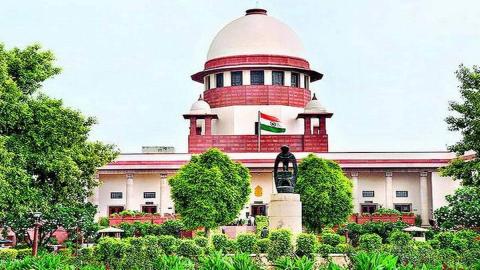
The Supreme Court of India has issued a notice to the Centre over a controversial decision to reduce qualifying percentiles in NEET PG admissions.
The case challenges a notification that allegedly allowed admissions with zero or negative marks, sparking debate within the medical community.
A fresh hearing is scheduled as the court examines concerns around merit standards and vacant postgraduate seats.
-
What happened: The Supreme Court sought a response from the Central government on a PIL challenging reduced NEET PG 2025–26 qualifying cut offs.
-
Why it matters now: The issue raises questions about medical education quality, patient safety, and fairness in admissions.
-
What changes for people: Medical aspirants may face uncertainty as counselling policies come under judicial scrutiny.
-
Who is affected: NEET PG candidates, medical colleges, healthcare regulators, and future patients.
The Supreme Court is set to hear a public interest litigation questioning the reduction of qualifying percentiles for NEET PG 2025–26 counselling. A bench comprising Justice P S Narasimha and Justice Alok Aradhe issued notice and asked the government to present its stand on the matter during the next hearing.
What is the ‘negative cut off’ controversy
The petition challenges a January 13, 2026 notification issued by the National Board of Examinations in Medical Sciences. The move reportedly lowered minimum qualifying percentiles across categories, with critics claiming that admissions could be granted even at extremely low or negative scores.
<u>The Supreme Court has issued notice to the Centre and listed the case for further hearing, seeking clarification on reduced qualifying standards.</u>
According to officials, the decision was linked to concerns about a large number of vacant postgraduate medical seats across institutions.
Arguments presented before the court
The petition, filed under Article 32 of the Constitution, argues that drastically lowering cut offs could undermine merit-based selection and affect the quality of postgraduate medical training. It also raises public health concerns, stating that professional standards in medical education must remain consistent.
Legal experts note that the court’s intervention highlights growing tensions between filling vacant seats and maintaining academic benchmarks.
Government and regulatory perspective
Authorities associated with the examination process have indicated that the change aimed to address unfilled seats during counselling rounds. The Medical Counselling Committee (MCC) oversees seat allocation after the examination is conducted by the NBEMS.
The court has directed Additional Solicitor General Aishwarya Bhati to assist during the upcoming hearing, signalling the seriousness of the issue.
Why this case matters beyond admissions
-
Public safety: Standards in postgraduate medical training directly influence healthcare quality.
-
Education policy: The outcome could reshape how qualifying criteria are set during future counselling cycles.
-
Student impact: Thousands of aspirants may face uncertainty regarding admission rules and merit thresholds.
Experts say the case could establish important legal guidelines on how regulatory bodies balance seat vacancies with academic standards.