
Neanderthal Hunt: Ancient Elephant Kill Reveals Sophistication
Study reveals Neanderthals hunted megafauna with advanced techniques.
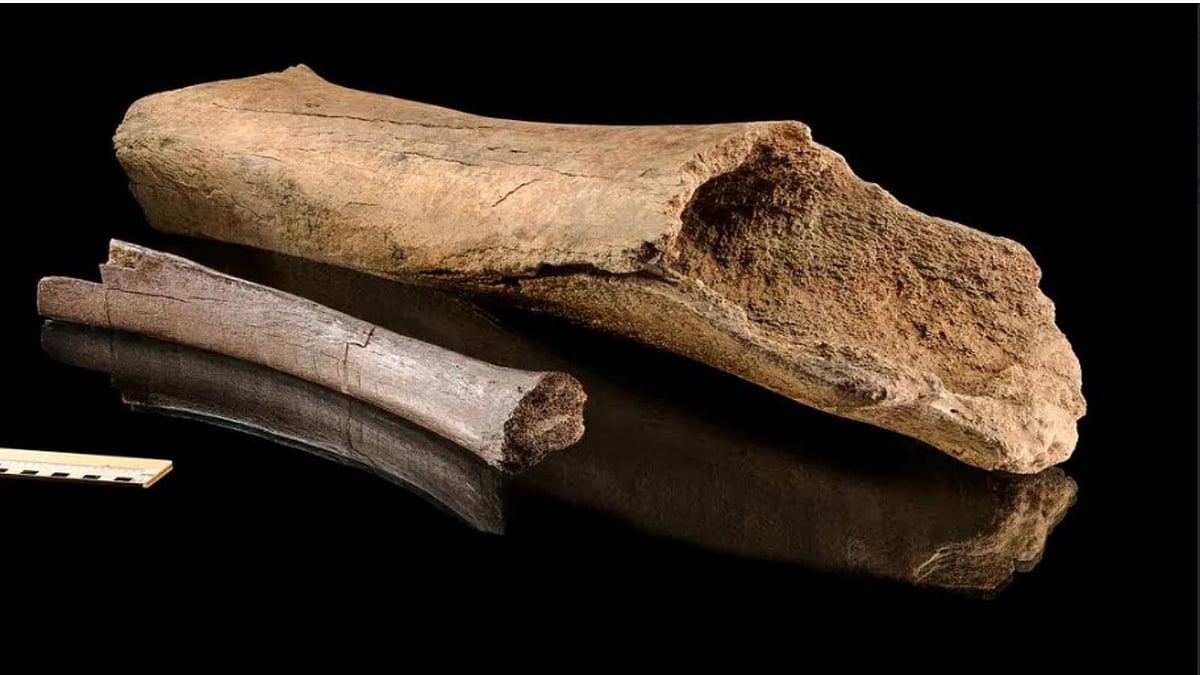
Top Summary
- What happened: Reassessment of a 125,000-year-old elephant skeleton found in Germany challenges previous assumptions about Neanderthal hunting capabilities.
- Why it matters: The findings suggest Neanderthals were more sophisticated and adaptable than previously believed, capable of hunting large animals.
- What changes for people: Our understanding of Neanderthal intelligence, social structures, and survival skills is evolving.
- Who is affected: Anthropologists, archaeologists, and anyone interested in human evolution.
The Lehringen Discovery
In 1948, the discovery of an elephant skeleton in a German lake bed sparked debate.
The skeleton, pierced by a wooden spear, raised questions about Neanderthal hunting prowess.
Skeptics initially dismissed the find, suggesting the spear's placement was coincidental.
Challenging Assumptions
For 78 years, the Lehringen site was more a curiosity than a key to understanding Neanderthals.
The prevailing view was that Neanderthals lacked the sophistication to hunt megafauna.
However, a new study published in Nature offers a different perspective.
A New Narrative
The reassessment of the evidence paints Neanderthals as skilled hunters.
The study suggests they possessed the intelligence and coordination needed to bring down large prey.
This changes how we perceive their role in the ecosystem and their capacity for survival.
What to Watch Next
Further research at the Lehringen site and other locations may reveal more about Neanderthal hunting strategies and tool use. Scientists will likely analyze other ancient remains for further clues about Neanderthal life and capabilities.