
NASA’s Perseverance Rover in Excellent Health After Five Years on Mars, New Discoveries Boost Life Search
After nearly five years on Mars, NASA’s Perseverance rover has traveled close to 25 miles (40 kilometres) and continues to operate in excellent condition, mission...
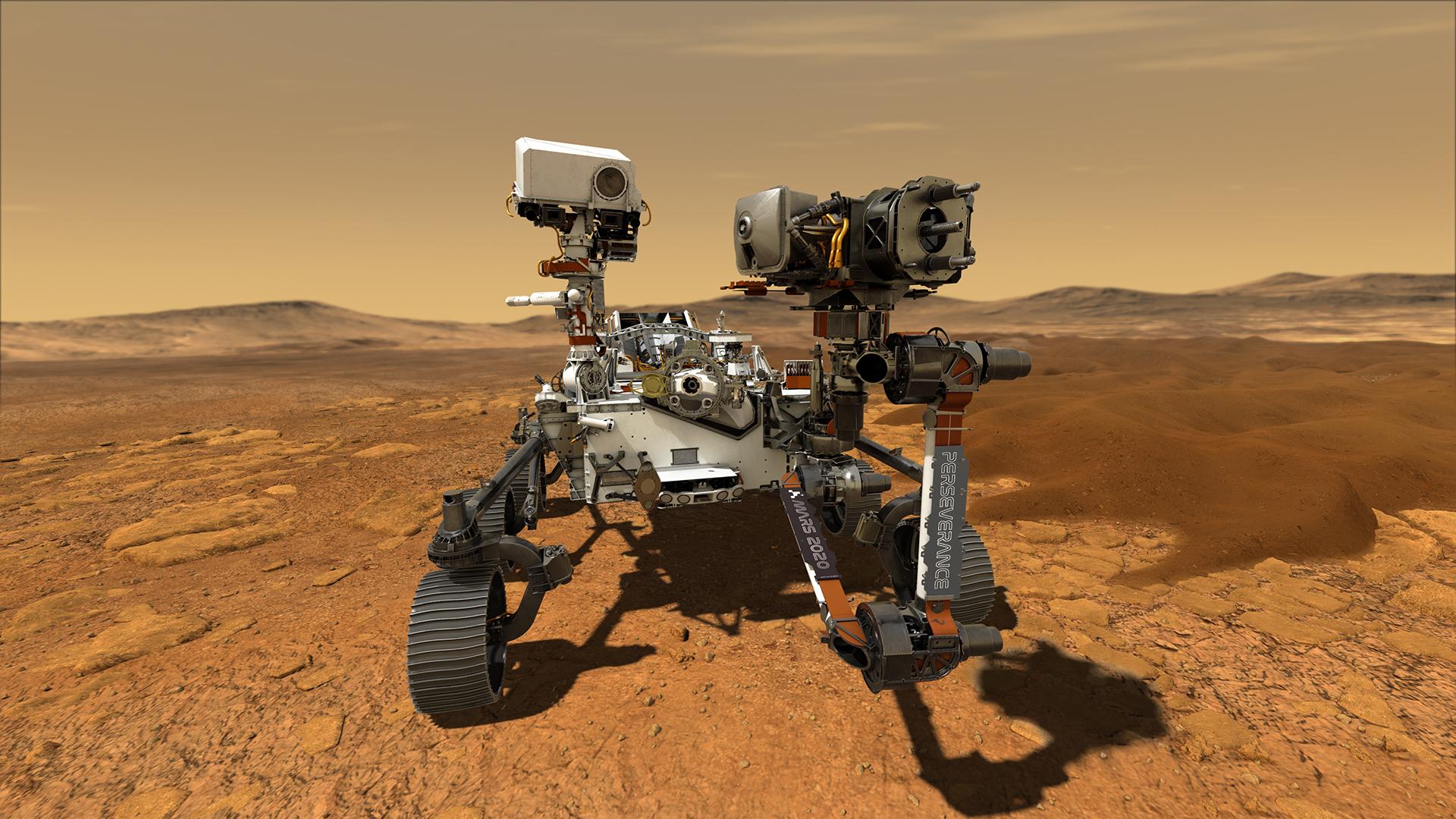
After nearly five years on Mars, NASA’s Perseverance rover has traveled close to 25 miles (40 kilometres) and continues to operate in excellent condition, mission scientists have said. The rover is now heading toward a new region dubbed “Lac de Charmes,” where it is expected to search for new rock samples over the coming year while continuing its exploration of the Red Planet.
Built for long-term exploration, Perseverance has proven its durability through extensive testing by engineers at NASA’s Jet Propulsion Laboratory (JPL) in Southern California. Recent ground tests confirmed that the rover’s wheel actuators can function optimally for at least another 37 miles (60 kilometres), with similar tests underway for its braking systems. Engineers have now assessed nearly all of the rover’s subsystems, concluding that Perseverance can remain operational until at least 2031.
“These tests show the rover is in excellent shape,” said Steve Lee, Perseverance’s deputy project manager at JPL, while presenting the findings at the American Geophysical Union’s annual meeting. He added that all systems are fully capable of supporting a long-term mission to explore Mars in detail.
Perseverance has been exploring Jezero Crater, an ancient lake and river delta believed to have once hosted water. The rover has collected multiple rock core samples, including one from a rock nicknamed “Cheyava Falls,” which scientists say may contain potential signs of past microbial life. These samples are considered crucial for understanding whether Mars once supported life.
A key strength of Perseverance is its advanced autonomous driving system. More than 90 per cent of its journey so far has relied on self-navigation using Enhanced Autonomous Navigation (ENav), a software tool that scans the terrain up to 50 feet ahead and independently guides each wheel around hazards. This capability has allowed the rover to move faster and collect a wider variety of samples than previous missions.
“Long-range autonomous driving is essential for exploring distant worlds,” said JPL researcher Hiro Ono, noting that such technology will be vital for future human missions to the Moon and Mars.