
NASA Plans Early Return for Crew-11 Astronauts After ISS Medical Incident
What happened: NASA will bring four Crew-11 astronauts home early from the International Space Station following an undisclosed medical issue. Why it matters now: This...
-
What happened: NASA will bring four Crew-11 astronauts home early from the International Space Station following an undisclosed medical issue.
-
Why it matters now: This marks the first planned medical evacuation in the 25-year history of the ISS, highlighting the priority of astronaut health in space missions.
-
What changes for people: The Crew-11 team will splash down off California on Jan. 15, while the ISS continues operations with a reduced crew until Crew-12 arrives.
-
Who is affected: Crew-11 astronauts, ISS crew members, NASA mission planners, and space enthusiasts worldwide.
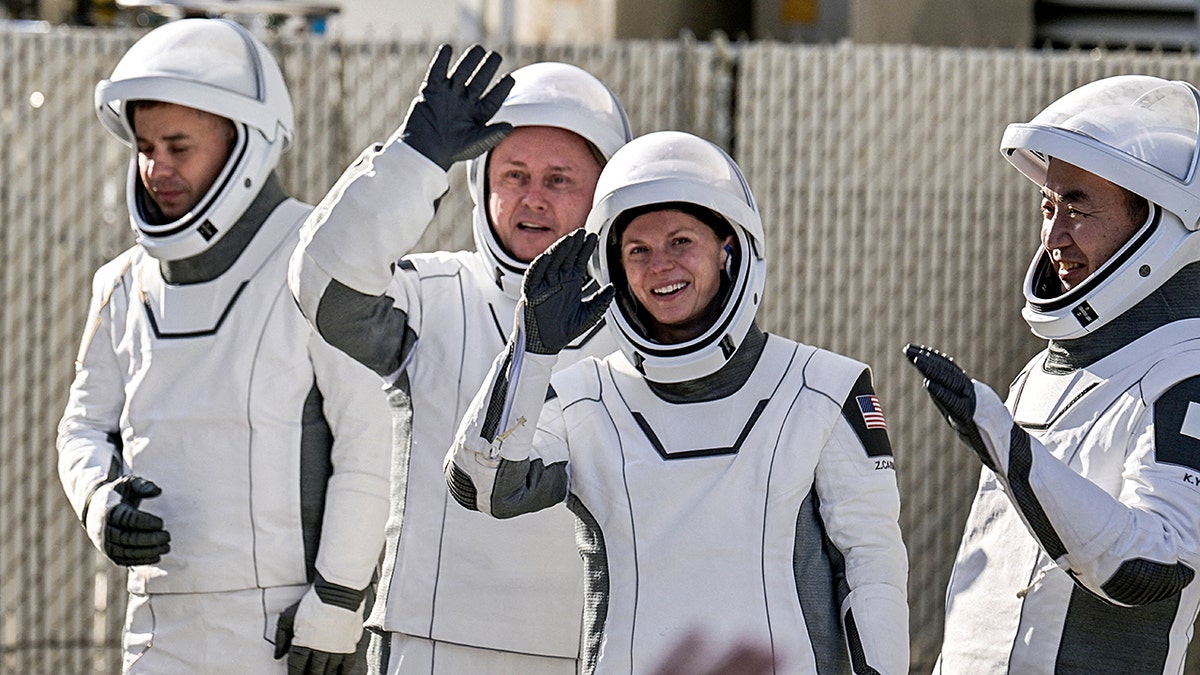
NASA is preparing to return the Crew-11 astronauts—Mike Fincke, Zena Cardman, Kimiya Yui, and Oleg Platonov—early from the International Space Station after one crew member experienced a medical concern. The team will depart aboard the SpaceX Crew Dragon Endeavour from the Harmony module’s dorsal port on Jan. 14, with a targeted splashdown off the California coast on Jan. 15, contingent on weather and recovery conditions.
Astronauts have begun packing personal items and prepping SpaceX pressure suits, originally intended for spacewalks that were canceled due to the medical issue. Cardman will serve as commander for the return flight, with Fincke as pilot, while Yui and Platonov act as mission specialists. NASA has confirmed the medical issue is not an injury, but details remain private.
Former astronauts, including Chris Hadfield and Ed Lu, praised NASA’s decision, emphasizing that crew health is paramount despite operational challenges aboard the ISS. Meanwhile, the station will operate with a reduced crew of Chris Williams and two cosmonauts until the Crew-12 replacement team launches from Florida.
NASA Administrator Jared Isaacman assured that the Crew-11 early return will not affect the Artemis 2 lunar mission scheduled for early February, confirming that the moon-bound launch campaign will proceed independently.
Medical concerns in space are rare but not unprecedented. Past incidents, such as spacewalk cancellations in 2020 and 2008, highlight the importance of rapid response protocols for astronaut safety.