
NASA detects hydrogen leak during fueling test of astronaut-bound Moon rocket
Fueling halted midway at Kennedy Space Center as engineers race to fix a familiar problem ahead of crewed lunar mission Top Summary What happened: NASA...
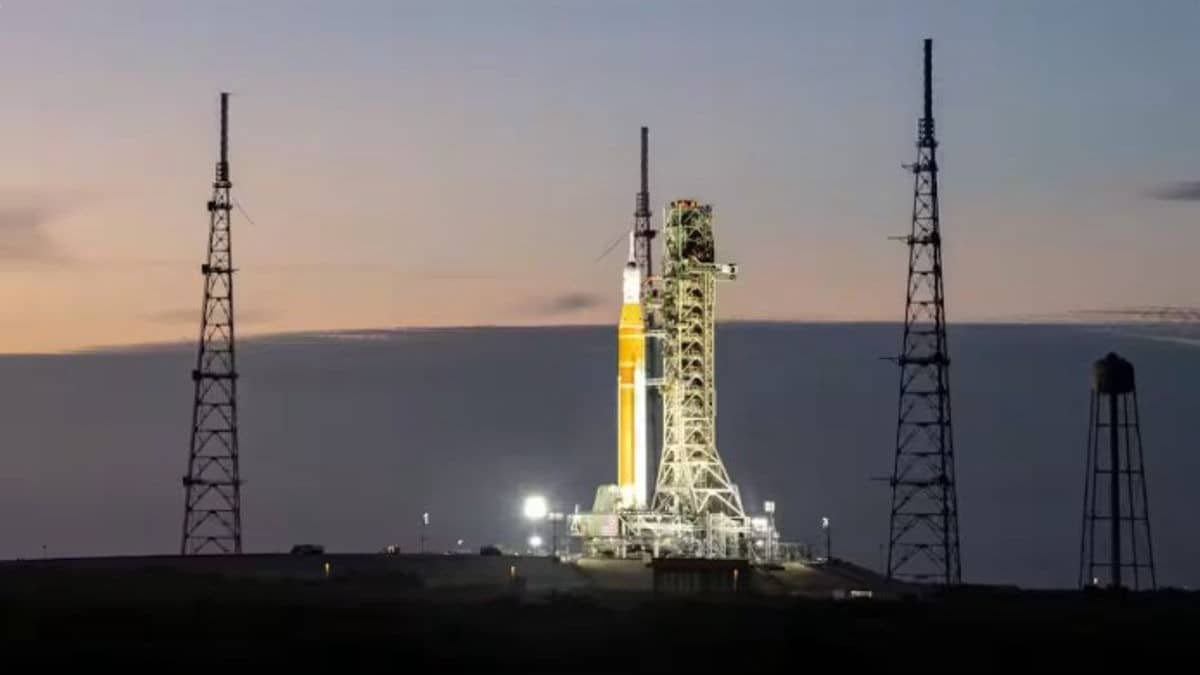
Fueling halted midway at Kennedy Space Center as engineers race to fix a familiar problem ahead of crewed lunar mission
Top Summary
-
What happened: NASA detected a hydrogen leak while fueling its Moon rocket during a critical test.
-
Why it matters now: The test will determine when astronauts can fly on a lunar fly-around mission.
-
What changes for people: Any unresolved leak could delay the crewed launch timeline.
-
Who is affected: NASA engineers, astronauts slated for the mission, and the broader U.S. space program.
What happened:
NASA encountered a hydrogen leak on Monday while fueling its 322-foot (98-metre) Moon rocket during a make-or-break countdown rehearsal at Kennedy Space Center.
The launch team had begun loading the rocket with super-cold liquid hydrogen and oxygen around midday. The operation requires over 700,000 gallons (2.6 million litres) of propellant to be pumped into the tanks and held for hours — closely simulating the final stages of a real launch countdown.
Just a few hours into the process, sensors detected excessive hydrogen near the base of the rocket, forcing teams to halt hydrogen loading with only about half of the core stage filled.
Why it matters now:
This fueling test is one of the final hurdles before astronauts can fly aboard NASA’s next lunar mission, a crewed fly-around of the Moon.
Hydrogen is notoriously difficult to contain, and leaks pose:
-
Safety risks
-
Schedule threats
-
Confidence issues for crewed missions
NASA must prove the rocket can be fully fueled and stabilized before setting a launch date.
What changes for people:
-
Engineers must diagnose and seal the leak before proceeding
-
The mission timeline could shift if repairs fail
-
Astronauts and mission planners may face extended ground delays
Any repeated failure at this stage raises the likelihood of postponement.
Who is affected:
-
Astronauts assigned to the lunar fly-around
-
NASA’s launch and ground systems teams
-
Contractors supporting the rocket program
-
The future cadence of U.S. Moon missions
A familiar problem resurfaces
The rocket involved is NASA’s Space Launch System (SLS), the agency’s most powerful launch vehicle.
Hydrogen leaks are not new to the program.
During the first SLS launch three years ago, repeated hydrogen leaks:
-
Delayed liftoff multiple times
-
Forced engineers to invent on-the-fly fixes
-
Nearly scrubbed the mission before the rocket finally launched successfully
On Monday, teams again relied on those hard-earned techniques in an attempt to manage the latest leak.
Why hydrogen is so tricky
Liquid hydrogen:
-
Is stored at extremely low temperatures
-
Can escape through microscopic gaps
-
Requires perfect seals across multiple connections
Even minor sensor readings can trigger a shutdown, especially during a crewed-mission test where safety margins are tighter.
Bottom line
The hydrogen leak has injected fresh uncertainty into NASA’s Moon mission preparations. While the issue is well-known and technically manageable, its reappearance during such a critical test underscores how fragile the final steps to crewed lunar flight remain.
NASA’s ability to resolve the problem — quickly and permanently — will determine how soon astronauts can head back toward the Moon.