
Mumbai CNG Price Hiked by ₹2, Now ₹86/kg; PNG Up Too
CNG and PNG prices rise in Mumbai due to increasing gas procurement costs.
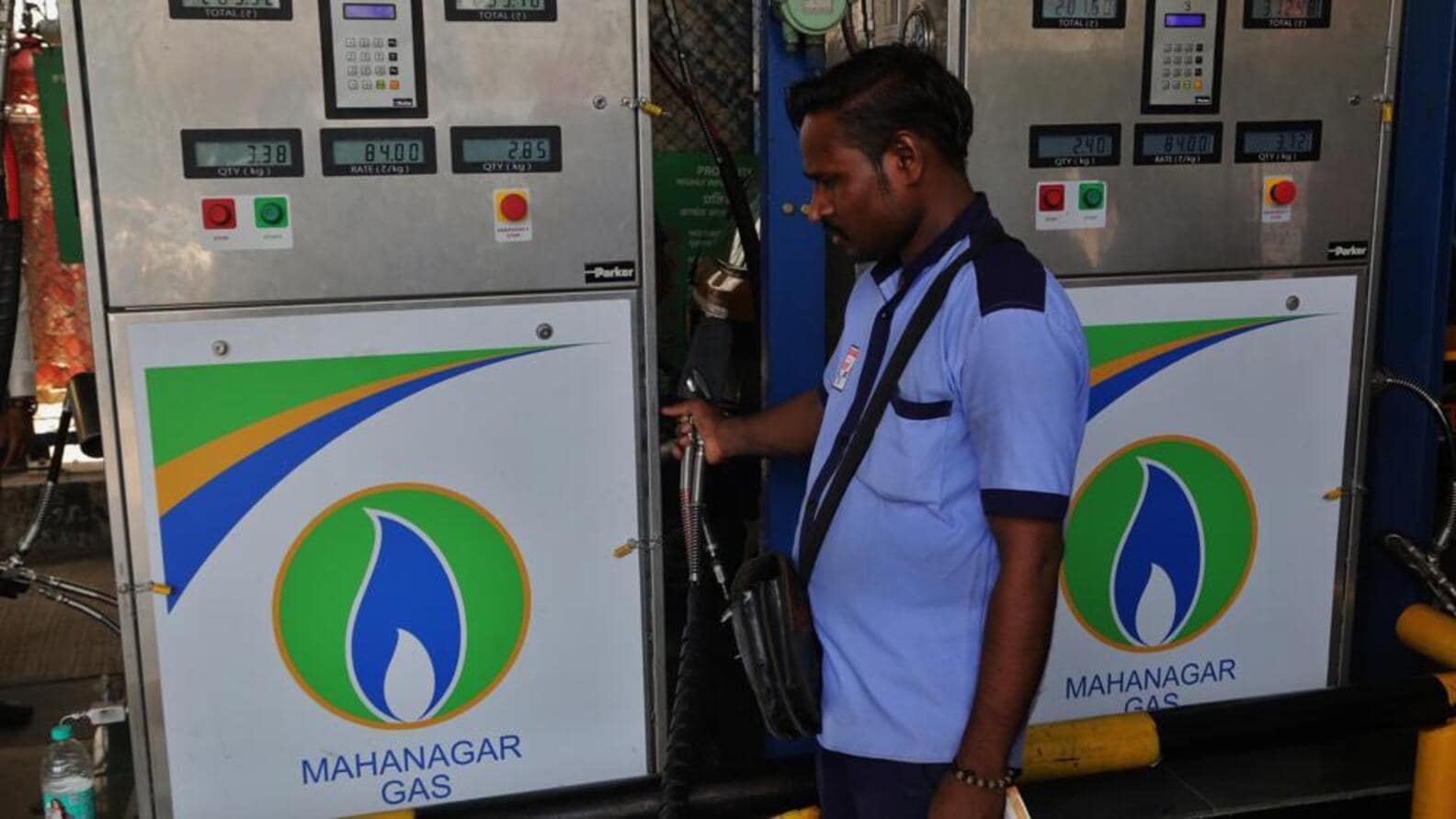
Top Summary
- What happened: Mahanagar Gas Limited (MGL) increased CNG prices by ₹2 per kg and domestic PNG by 50 paise per unit in the Mumbai Metropolitan Region (MMR).
- Why it matters: The price hike impacts transportation costs and household budgets, driven by rising gas procurement expenses.
- What changes for people: CNG now costs ₹86 per kg, and PNG is ₹52 per unit in Mumbai, Thane, Navi Mumbai, and surrounding areas.
- Who is affected: Private vehicle owners, taxi and public transport operators using CNG, and households relying on PNG in the MMR.
CNG and PNG Prices Increased
Mahanagar Gas Limited (MGL) announced an increase in the prices of both Compressed Natural Gas (CNG) and Piped Natural Gas (PNG) across the Mumbai Metropolitan Region (MMR) on Saturday.
The price of CNG has been increased by ₹2 per kg, while domestic PNG saw a hike of 50 paise per unit.
Reasons for the Price Hike
MGL cited a
significant increase in gas procurement costs caused by reduced allocation of domestic gas, increased dependence on higher-cost gas sources, and depreciation of the Indian Rupee
as the primary reasons for the price hike.
The company stated that it is actively seeking ways to optimize costs and pass on the benefits to consumers while promoting the widespread use of natural gas as a cleaner fuel option.
Impact on Consumers
With the latest revision, CNG will now cost ₹86 per kg in Mumbai, Thane, Navi Mumbai, Kalyan, and nearby cities.
Domestic PNG prices are now at ₹52 per unit.
While the CNG price increase raises running costs for CNG-dependent vehicles, it is still comparatively cheaper than petrol and diesel on a per-kilometer basis. Currently, petrol costs ₹111.21 per litre and diesel costs ₹97.83 per litre in Mumbai.
Previous Price Revisions & External Factors
The last CNG price revision occurred on May 14, when rates were increased by ₹2 per kg.
The fuel price increases come amidst broader efforts to contain India's oil import bill and reduce fuel consumption. Prime Minister Narendra Modi has urged citizens and government departments to conserve fuel, encourage remote working, and reduce non-essential travel.
What to Watch Next
Monitor further developments in global crude oil prices and their impact on domestic fuel costs. Keep an eye out for any potential government interventions or policy changes aimed at mitigating the effects of rising energy prices on consumers and the economy.