
Modi in Manila for ASEAN, East Asia Summits; Quad Meets
Prime Minister Narendra Modi arrives in Manila for key ASEAN and East Asia summits, with the Quad leaders also convening for their first meeting in...
The Cliff News | 17 November 2026
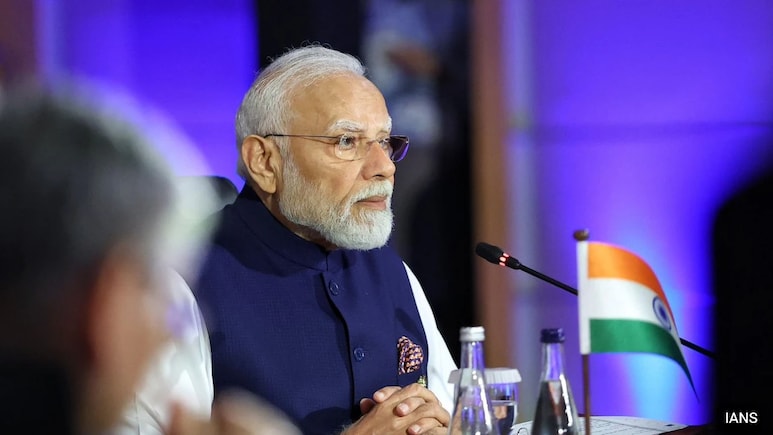
Prime Minister Narendra Modi landed in Manila on Monday to participate in the ASEAN-India Summit and the East Asia Summit. The visit underscores India's expanding strategic engagement with Southeast Asia, with discussions anticipated to focus on maritime security and economic cooperation.
A significant highlight of the trip will be the seventh Quad Leaders' Summit, bringing together the presidents of the four Quad countries. This marks their first in-person summit in more than two years, occurring amid a period of renewed diplomatic efforts between Washington and Beijing.
Quad Leaders' Summit Agenda
On Tuesday, Prime Minister Modi will be joined by US President Donald Trump, Australian Prime Minister Anthony Albanese, and Japanese Prime Minister Sanae Takaichi for the crucial Quad meeting. Key discussion points are expected to include vital minerals, strengthening resilient supply chains, enhancing maritime domain awareness, and ensuring the security of commercial shipping routes across the Indo-Pacific region.
Strategic Significance of Manila Meetings
The timing of the Manila engagements is particularly noteworthy, taking place just days before President Trump's visit to China for the Asia-Pacific Economic Cooperation (APEC) summit. During the APEC summit, President Trump is scheduled to meet with Chinese President Xi Jinping. This sequence of events lends added significance to the Quad meeting, as the member nations seek to bolster collaboration on regional security and economic matters while the United States prepares for high-level dialogue with China.
Quad's Strategic Stance
Ahead of the conference, US Secretary of State Marco Rubio emphasized that the Quad is not directed against any specific country, including China. This statement comes at a time of ongoing contemplation regarding the grouping's strategic direction and how its members will balance their cooperative efforts in the Indo-Pacific with their individual diplomatic and economic relationships with Beijing.