
Microplastics may be weakening oceans’ ability to absorb CO₂, new study warns
What happened: A new scientific study finds microplastics are disrupting the ocean’s natural carbon absorption process. Why it matters now: Oceans are the planet’s largest...
-
What happened: A new scientific study finds microplastics are disrupting the ocean’s natural carbon absorption process.
-
Why it matters now: Oceans are the planet’s largest carbon sink, and any weakening of this system could accelerate global warming.
-
What changes for people: Plastic pollution is no longer just a waste issue. It may directly worsen climate change, ocean health, and food security.
-
Who is affected: Coastal communities, global food chains, climate systems, and countries dependent on marine ecosystems.
A growing body of evidence now suggests that microplastics are undermining the ocean’s ability to absorb carbon dioxide, weakening one of Earth’s most important natural defenses against climate change.
The findings come from a new study published in the Journal of Hazardous Materials: Plastics, which highlights how microscopic plastic particles are interfering with marine carbon sequestration, a process critical to regulating the planet’s climate.
Why microplastics matter beyond pollution
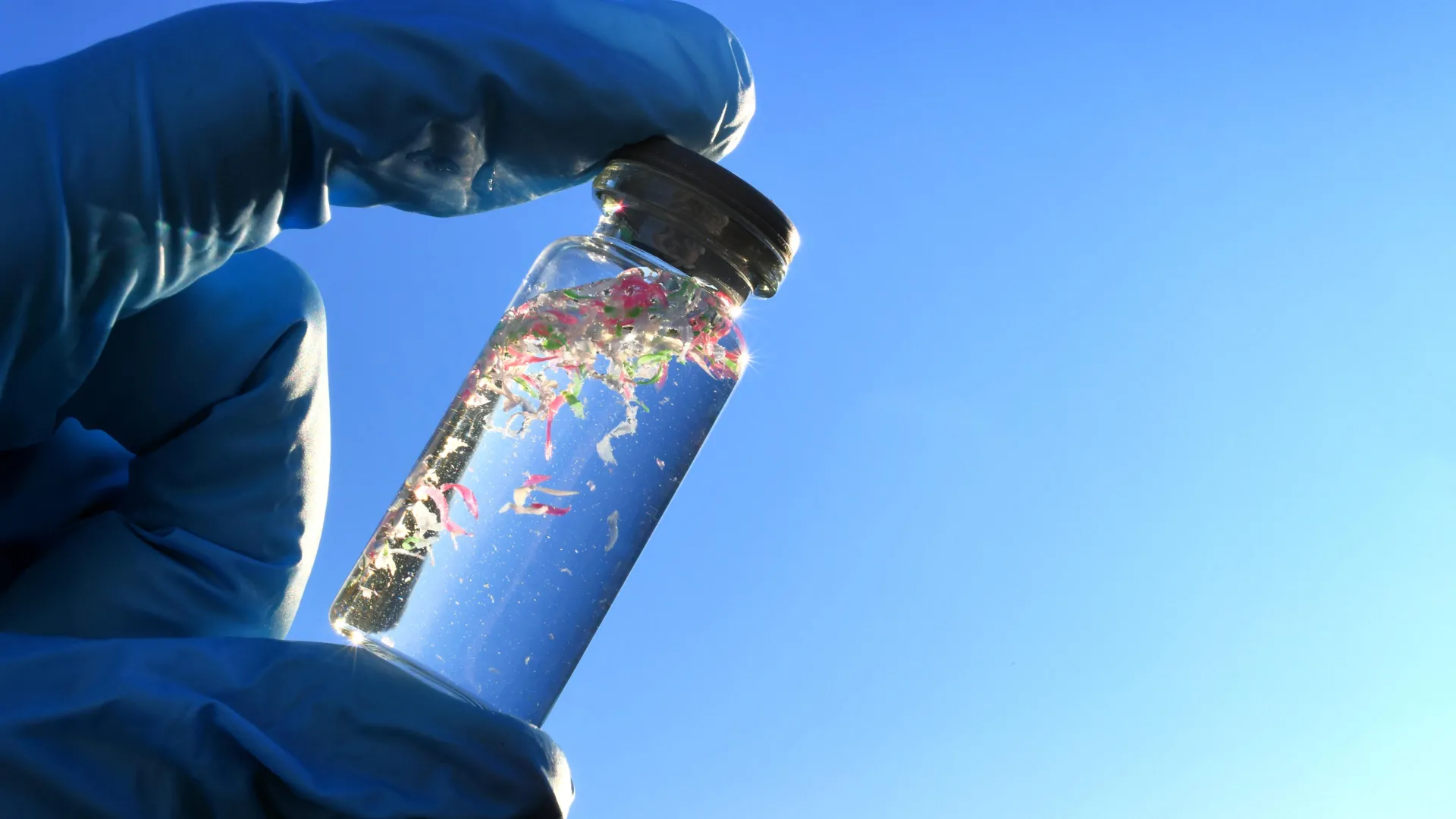
Microplastics, defined as plastic fragments smaller than five millimetres, are now found across oceans worldwide, from surface waters to the deep sea.
While their role as pollutants is well known, researchers say their impact on climate systems has been largely overlooked.
The study shows that in marine ecosystems, microplastics interfere with phytoplankton and zooplankton, organisms that play a central role in capturing carbon from the atmosphere and transporting it to deeper ocean layers.
Underline: Microplastics weaken the ocean’s “biological carbon pump”, a key climate-regulating mechanism.
How the carbon pump is being disrupted
The biological carbon pump is the process through which carbon dioxide is absorbed by phytoplankton during photosynthesis and then carried into the deep ocean as marine organisms die or are consumed.
According to the study:
-
Phytoplankton photosynthesis is reduced when exposed to microplastics
-
Zooplankton metabolism is impaired, disrupting carbon transfer
-
Degrading plastics may release greenhouse gases themselves
Together, these effects reduce the ocean’s long-term capacity to store carbon.
Scientists warn of cascading impacts
Ihsanullah Obaidullah, associate professor at the University of Sharjah and corresponding author of the study, said the implications extend far beyond marine pollution.
He warned that microplastics:
-
Disrupt marine life
-
Undermine carbon absorption
-
Contribute to ocean warming and acidification
-
Increase risks to biodiversity and food security
Underline: Plastic pollution is now directly linked to climate change, not just environmental damage.
Oceans under pressure
Oceans currently absorb around one-quarter of global carbon dioxide emissions, acting as a critical buffer against rapid climate warming.
However, researchers caution that over 10 million tonnes of plastic waste enter oceans every year, with about 99% sinking, largely made up of textile fibres and clothing materials.
Separate studies have shown that microplastics:
-
Are toxic to deep-sea organisms
-
Carry harmful substances like PFAS and heavy metals
-
Act as an environmental “multistressor” affecting the entire food chain
Gaps in research remain
While the study underscores the urgency of the problem, it also notes that current scientific models lack precise tools to fully calculate how microplastics influence long-term ocean warming and acidification.
Underline: Researchers say improving measurement methods is essential to understanding future climate risks.
Why this matters right now
Climate action discussions often focus on emissions and energy transitions, but scientists say plastic pollution must now be treated as a climate issue, not just a waste-management problem.
Reducing plastic use, improving waste control, and limiting microplastic release could help protect the ocean’s role as a global climate stabiliser.