
Metabolic dysfunction-associated steatotic liver disease is now the most common...
Metabolic dysfunction-associated steatotic liver disease is now the most common liver condition worldwide, affecting about one in three adults. It develops when excess fat builds...
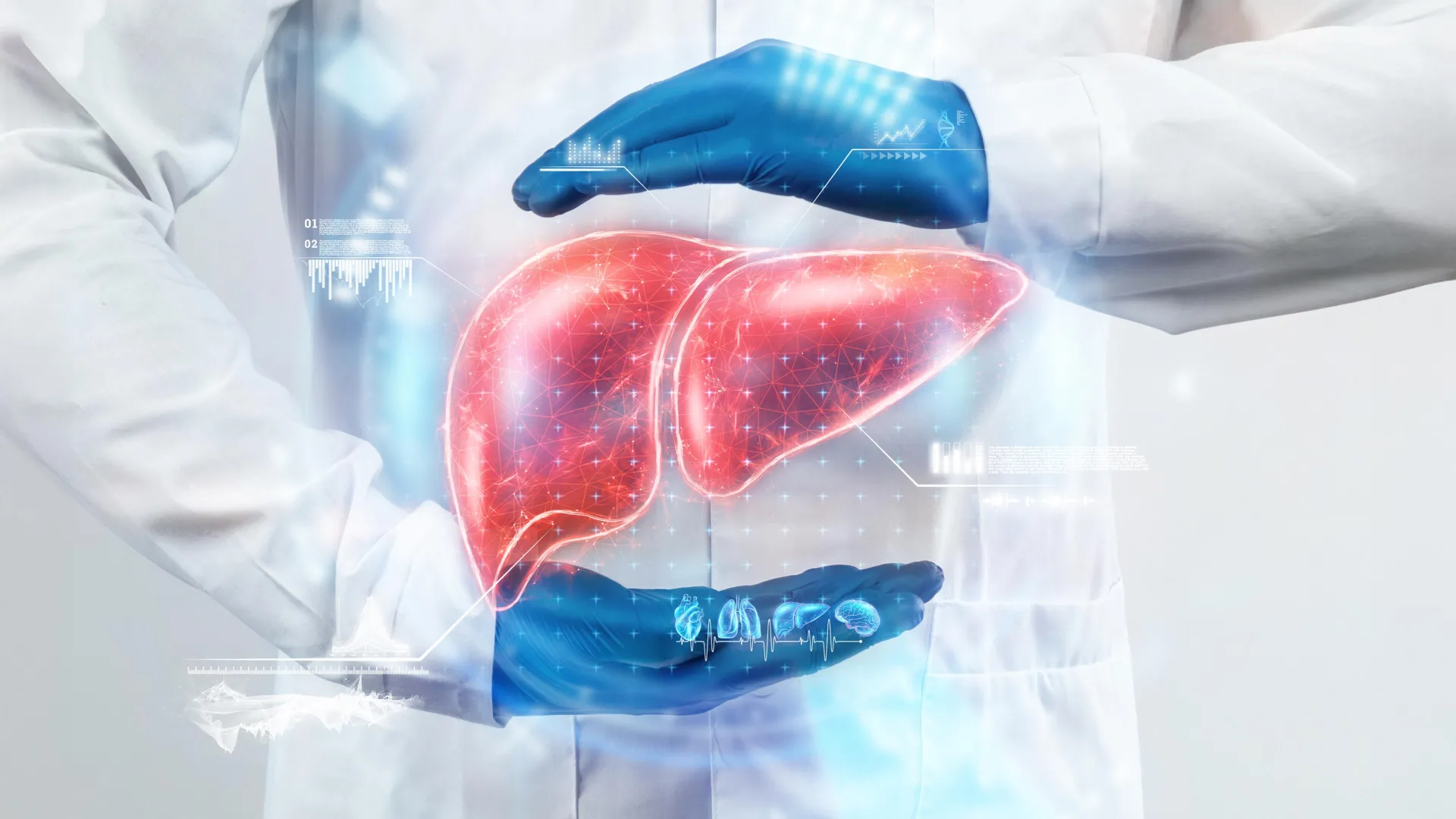
Top Summary
- What happened: University of Barcelona researchers found that pemafibrate + telmisartan reduced liver fat in MASLD animal models.
- Why it matters now: MASLD is the most common liver condition globally, with few proven treatments available.
- What changes for people: Existing medicines may eventually offer a safer early-stage treatment option, but human trials are still needed.
- Who is affected: People with fatty liver disease, especially those who also face high blood pressure, cholesterol, or cardiovascular risk.
Metabolic dysfunction-associated steatotic liver disease (MASLD) — previously known as fatty liver disease — develops when excess fat builds up inside liver cells. While it may begin silently, it can progress to serious liver damage and also sharply raise the risk of heart and blood vessel disease, which is a major cause of death among these patients. That dual threat is exactly why researchers are now focusing on therapies that can target both liver damage and cardiovascular risk together.
The new research was led by Marta Alegret from the University of Barcelona’s Faculty of Pharmacy and Food Sciences, alongside collaborators from the Institute of Biomedicine of the UB (IBUB), CIBEROBN, and Uppsala University in Sweden. Instead of testing a brand-new experimental compound, the team looked at drug repurposing — using medicines already approved for other illnesses. This strategy is increasingly attractive because it can reduce development time, lower costs, and avoid many of the safety hurdles that have blocked previous MASLD drug candidates.
The two drugs chosen for the study are already linked to cardiovascular care. Pemafibrate is a lipid-lowering medicine currently marketed in Japan, while telmisartan is a widely prescribed blood pressure drug used around the world. According to the researchers, this makes the pairing especially relevant because many MASLD patients also struggle with high cholesterol and hypertension — two conditions that raise cardiovascular risk further.
To test the treatment, scientists used rats and zebrafish larvae, both of which are increasingly important in metabolic and liver disease research. The results were encouraging. In animals fed a high-fat, high-fructose diet, the drug combination was able to reverse liver fat accumulation. In rats, the combination therapy achieved results with half doses of both drugs, while matching the effect of a full dose of either drug used alone. That suggests the possibility of a synergistic effect, where combining lower doses may improve outcomes while also reducing the risk of side effects.
That lower-dose combination could be one of the most practical takeaways from the study. Researchers say combining drugs that act on different disease pathways may work better than relying on a single medicine, especially in a complex condition like MASLD. Beyond the liver benefits, the therapy may also help lower blood pressure and cholesterol, which could reduce the cardiovascular complications that often make the disease more dangerous over time.
The study also uncovered new biological insight into how telmisartan may work in early-stage MASLD. Scientists identified a key role for the PCK1 protein, which had not previously been linked so clearly to telmisartan’s fat-reducing effects in the liver. In MASLD animals, liver PCK1 levels were lower than normal, but telmisartan treatment restored those levels. That appeared to redirect metabolism away from fat production and toward glucose synthesis, helping reduce liver fat buildup. Researchers said they did not observe harmful increases in blood sugar in the animal models, which is an important detail given the diabetes risk in metabolic disease.
Still, the researchers are being careful not to overstate the findings. This is not yet a treatment for patients. The results come entirely from animal studies, and the next crucial step is clinical trials in humans to confirm whether the same benefits appear safely in real patients. The team is now investigating whether the same drug combination could also work in more advanced stages of MASLD, especially when liver fibrosis is already present. They are also building new models that combine liver disease and cardiovascular disease to test whether the therapy can reduce broader complications such as atherosclerosis.
For now, the study adds to a growing body of evidence that repurposing familiar medicines may be one of the smartest ways to tackle chronic metabolic diseases. In a field where many promising drugs have stumbled, a treatment built from medications doctors already know well could offer a more realistic path to patients — if future human trials confirm the promise seen in the lab.
Bottom line
Two existing cardiovascular drugs — pemafibrate and telmisartan — showed strong potential in animal studies to reduce fatty liver disease while also cutting heart-related risks, making them a promising future option for MASLD treatment. But for now, the evidence remains preclinical, and human studies are essential before any real-world use.
What to watch next
Watch for human clinical trials testing the pemafibrate-telmisartan combination, especially in patients with early-stage MASLD, and for future research on whether the same approach can also help people with advanced fibrosis and cardiovascular complications.