
Mars Helicopter Ingenuity: A Triumphant Mission Ends, Legacy Continues
Ingenuity's groundbreaking Mars mission concludes, leaving a lasting impact on space exploration.
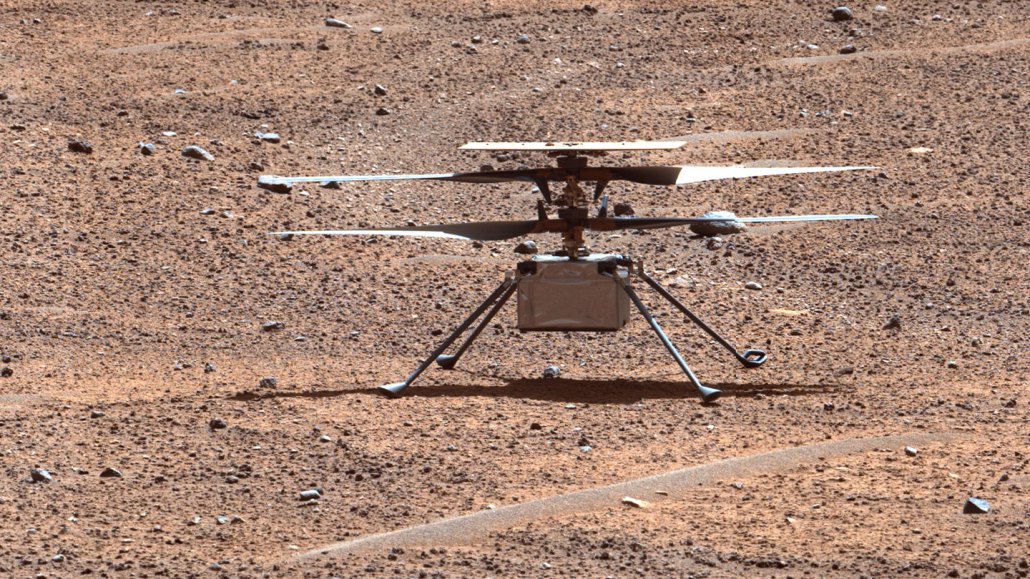
Top Summary
- What happened: NASA's Ingenuity helicopter concluded its mission on Mars after rotor damage during its 72nd flight on January 18, 2024.
- Why it matters: Ingenuity proved that powered, controlled flight is possible on another planet, paving the way for future aerial exploration.
- What changes for people: The data collected by Ingenuity will inform future Mars missions and potentially benefit future human explorers.
- Who is affected: Scientists, engineers, and space enthusiasts worldwide are inspired by Ingenuity's success and potential for future endeavors.
A Dream Takes Flight on Mars
For millennia, flying was a dream. The Wright brothers made it reality on Earth.
Now, Ingenuity has recreated that dream on Mars, achieving the first powered, controlled flight on another planet.
Ingenuity hitched a ride with NASA’s Perseverance rover, launched on July 30, 2020. The rover landed in Jezero Crater on February 18, 2021.
Ingenuity's Historic First Flight
On April 19, 2021, Ingenuity made history. It rose 10 feet, hovered for about 30 seconds, and landed safely.
NASA confirmed that Ingenuity met its mission goal after three more successful test flights in late April 2021.
Initially planned as a technology demonstration, Ingenuity far exceeded expectations.
From Demo to Rover Support
Ingenuity was built for a one-month mission at a cost of $80 million, plus $5 million in operational costs.
Its role shifted to directly supporting the Perseverance mission after the initial four test flights on May 7.
Ingenuity's two cameras provided valuable information about the rover's path.
Autonomous Flight on the Red Planet
Due to signal delays between Earth and Mars (5-20 minutes), Ingenuity flew autonomously.
Commands were sent to Perseverance, which relayed them to Ingenuity.
The helicopter used cameras, a laser range finder, and an inertial measuring unit to navigate.
Challenges and Triumphs
Ingenuity overcame numerous challenges, including difficult terrain, sensor issues, and Martian dust storms.
Despite relying on solar power, it even survived a harsh Martian winter.
The extended mission lasted nearly 1,000 Martian days, vastly exceeding the original plan.
The Final Flight and Lasting Legacy
Ingenuity flew 72 times, logging over two hours (129 minutes) of flight time and covering 17 km.
Damage to its rotors during landing on January 18, 2024, ended its flight operations.
Despite being stationary, Ingenuity continues to be valuable.
Data for Future Explorers
Ingenuity will continue to collect temperature data and take photos of the Martian surface.
It activates its computers and tests electronics every day.
The data stored on Ingenuity could be a treasure trove for future missions to Valinor Hills.
The Name "Ingenuity"
Vaneeza Rupani, a high school student of Indian origin, named Ingenuity.
She submitted an essay in NASA's "Name the Rover" contest.
Rupani wrote that ingenuity allows humanity to overcome challenges and explore the universe.
"The ingenuity and brilliance of people working hard to overcome the challenges of interplanetary travel are what allow us all to experience the wonders of space exploration..."
Wright Brothers Field
Ingenuity's first flight took place at Wright Brothers Field, honoring the aviation pioneers.
The helicopter carried a piece of fabric from the original Wright Brothers Flyer I.
What to Watch Next
The data from Ingenuity will be analyzed and used to inform future Mars missions and helicopter designs. Scientists will continue to monitor Ingenuity's condition and gather information until it ceases operations completely, maximizing its contribution to our understanding of Mars.