
LUNAR ECLIPSE 2026 LIVE: Chandra Grahan Today; Sutak Kaal, City-Wise Timings & ‘Blood Moon’ Visibility in India
The first lunar eclipse of 2026 coincides with Holi, making March 3 a rare celestial and cultural overlap. Indians will witness only the final phase...
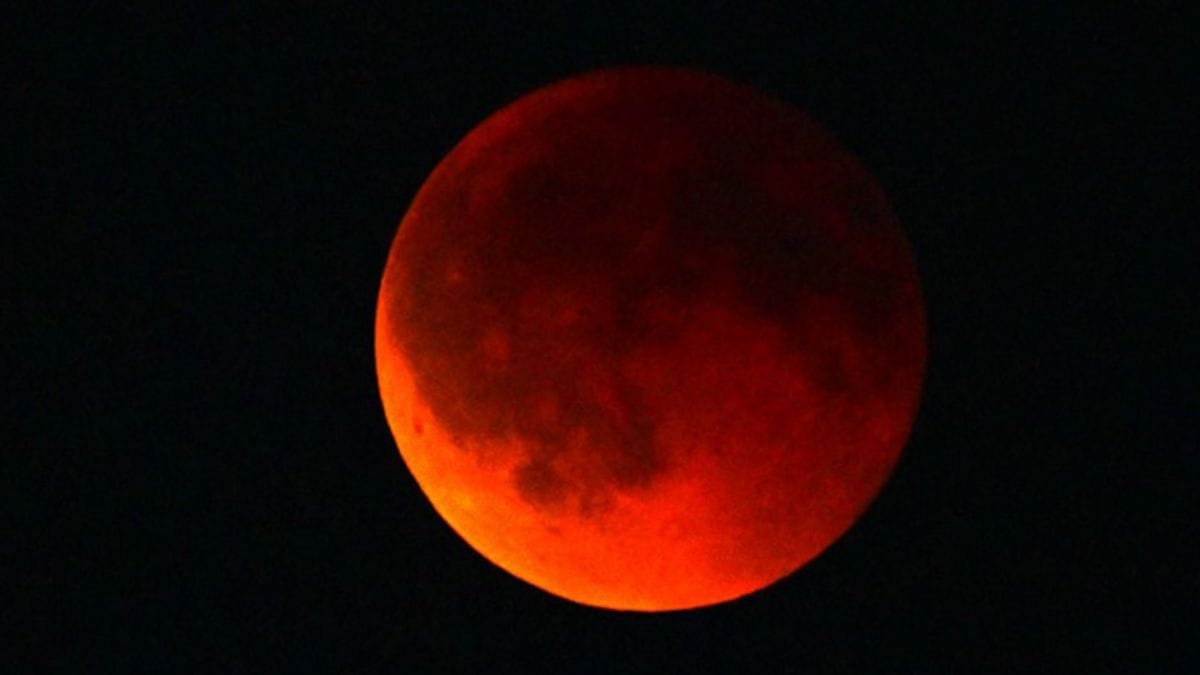
The first lunar eclipse of 2026 coincides with Holi, making March 3 a rare celestial and cultural overlap. Indians will witness only the final phase after moonrise.
What happened:
-
A Total Lunar Eclipse is occurring on March 3, 2026.
-
Eclipse began at 3:20 PM IST and will end at 6:47 PM IST.
-
Sutak kaal started at 6:23 AM and ends with the eclipse.
-
In India, visibility is limited to about 15 minutes after moonrise.
Why it matters now:
-
The eclipse coincides with Phalguna Purnima (Holi).
-
Astronomers call it a significant full shadow event.
-
Many Indians observe traditional rituals during Sutak and Grahan.
What changes for people:
-
Temple rituals pause during Sutak.
-
Some avoid cooking or eating during the eclipse.
-
Skywatchers get a brief window to see the “Blood Moon.”
Who is affected:
-
Devotees observing religious practices
-
Pregnant women following traditional precautions
-
Astronomers and skywatchers
-
Festival celebrations in parts of India
Lunar Eclipse 2026: Date and Time (India)
The total lunar eclipse began at 3:20 PM IST and concludes at 6:47 PM IST.
However, since the Moon rises around 6:26 PM IST, Indians will only see the final stage of the eclipse.
The best visibility window is between 6:33 PM and 6:40 PM IST.
People in northeastern states such as Assam and Meghalaya may get slightly better visibility due to earlier moonrise.
City-Wise Timings (Penumbral Phase End: 7:53 PM IST)
| City | Start of Penumbral | End of Penumbral |
|---|---|---|
| Delhi | 6:21 PM | 7:53 PM |
| Chandigarh | 6:22 PM | 7:53 PM |
| Andhra Pradesh | 5:18 PM | 7:53 PM |
| Assam | 5:04 PM | 7:53 PM |
| Bihar | 5:37 PM | 7:53 PM |
| Karnataka | 6:24 PM | 7:53 PM |
Local weather conditions will determine clarity of viewing.
What Is a Total Lunar Eclipse?
A total lunar eclipse occurs when Earth moves directly between the Sun and the Moon, casting its full shadow (umbra) on the lunar surface.
During totality, the Moon turns coppery red.
This phenomenon is popularly known as a “Blood Moon.”
The red glow appears because Earth’s atmosphere scatters blue light and bends red wavelengths toward the Moon.
Scientifically, lunar eclipses are completely safe to watch with the naked eye.
No special glasses are required.
Sutak Kaal and Religious Significance
Sutak began at 6:23 AM IST and continues until the eclipse ends.
Traditionally during Sutak:
-
Temple doors may remain closed.
-
Auspicious rituals are paused.
-
Some avoid cooking or eating.
After the eclipse, many devotees:
-
Take a ritual bath
-
Sprinkle Gangajal at home
-
Light a diya in the home temple
Since the eclipse coincides with Holi, many believe celebrations should resume only after Grahan concludes.
Visibility in India
The eclipse is partially visible across:
-
Delhi-NCR
-
Mumbai
-
Chennai
-
Kolkata
-
Bengaluru
-
Hyderabad
-
Ahmedabad
-
Guwahati
-
Patna
-
Bhubaneswar
However, due to moonrise timing, India will only witness the final 15–20 minutes.
Countries across Asia, Australia, Russia, and the Americas will see longer phases.
How to Watch
-
Choose an open area with a clear eastern horizon.
-
Avoid heavy light pollution.
-
Use binoculars or a small telescope for enhanced detail.
Several space agencies and astronomy groups are also streaming the event live online.
Astrological Context
Astrologers note this eclipse is occurring in Leo zodiac under Purva Phalguni Nakshatra.
Some traditions advise meditation, mantra chanting, and avoiding negative thoughts during this period.
From a scientific standpoint, eclipses provide valuable data on atmospheric composition and light scattering.
Impact Snapshot
Science: Opportunity to study Earth’s atmospheric filtering effects.
Culture: Rare overlap of eclipse and Holi.
Public Interest: High engagement among photographers and skywatchers.
Religion: Sutak observances and post-eclipse purification rituals.
Bottom line
The March 3, 2026 lunar eclipse is a rare “Blood Moon” event coinciding with Holi.
While India will witness only the closing phase after moonrise, the celestial spectacle carries strong cultural and astronomical significance.
It is safe to watch and offers a brief but striking view in the evening sky.
What to watch next
-
Clear-sky updates from major cities
-
Images captured from northeastern India
-
Scientific observations released post-event
-
Whether eclipse visibility impacts Holi celebrations in different states