
Lok Sabha Seats to Rise by 50%, Delimitation Frozen Until 2051
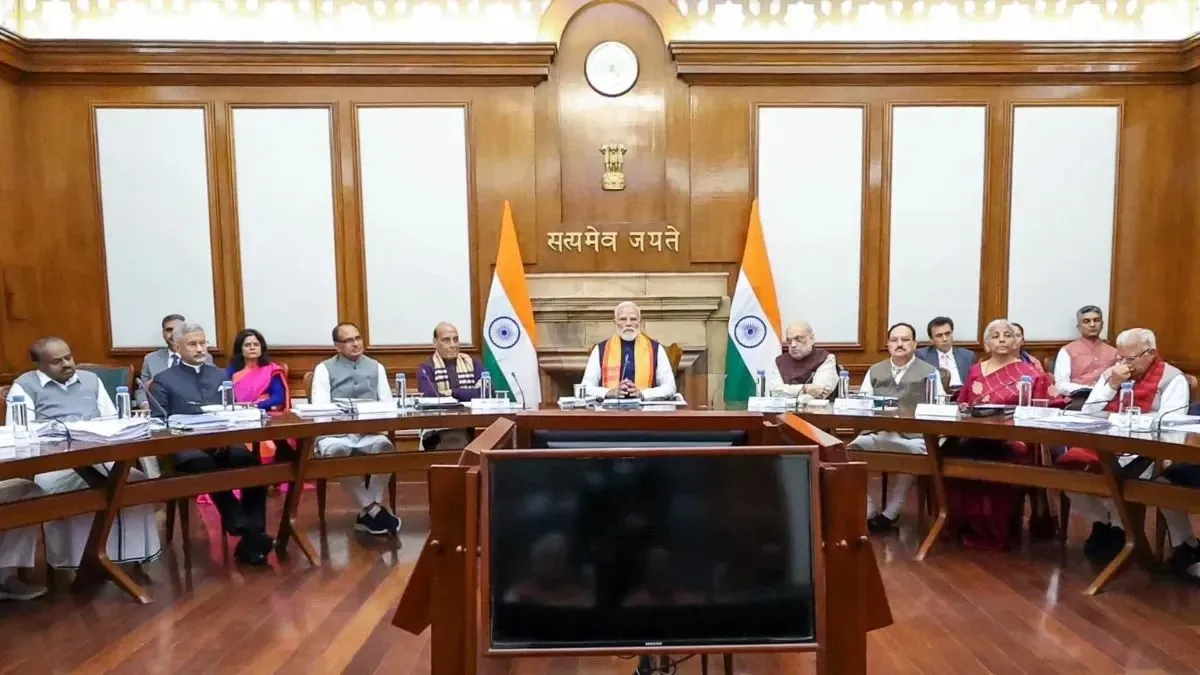
Cabinet approves amendments to increase Lok Sabha seats by 50% and extends delimitation freeze until 2051, addressing concerns of southern states.
The Cliff News | 27 November 2026
The Narendra Modi-led government has advanced its plans for a significant overhaul of parliamentary representation by clearing key amendments to a proposed Delimitation Bill. The amendments, as per sources, will facilitate a uniform 50% increase in Lok Sabha seats across all states and extend the current freeze on using the 1971 Census for proportional seat allocation by another 25 years, until 2051.
This strategic move aims to address long-standing demands from several southern Indian states, which have voiced concerns about potential reductions in their parliamentary representation following future delimitation exercises based on more recent census data. The proposed legislation signals a substantial increase in the Lok Sabha's strength, potentially raising the total number of seats from the existing 550-seat framework to a maximum of 850.
Understanding the Delimitation Bill
The Delimitation Bill, at its core, outlines the process of redrawing constituency boundaries and determining the allocation of seats in both the Lok Sabha and state Assemblies. This exercise is constitutionally mandated and undertaken by an independent Delimitation Commission, guided by provisions such as Articles 81, 82, and 170 of the Constitution. The primary objective is to ensure equitable population representation across constituencies and to revise the distribution of seats reserved for Scheduled Castes and Scheduled Tribes.
The proposed Constitution (131st Amendment) Bill specifically targets modifications related to the total strength of the Lok Sabha and the distribution of seats among states and Union Territories. A central tenet of the amendment is the proposed escalation of the maximum membership limit for the Lower House.
Proposed Increase in Lok Sabha Strength
Currently, the Lok Sabha is designed to accommodate a maximum of 550 members. This figure is comprised of up to 530 representatives directly elected from the states and an additional 20 members from the Union Territories. The new amendment proposes to significantly expand this ceiling, allowing for a maximum of 850 members.
Under the revised framework, the allocation would shift to a maximum of 815 seats designated for states and 35 seats for Union Territories. This substantial increase is intended to accommodate population growth and ensure that representation remains proportionate to population figures while also incorporating the aforementioned adjustments for states with varying population control progress.
Political Implications and Southern Concerns
The proposed delimitation exercise has already ignited significant political debate, particularly among parties representing southern states. These regions have expressed apprehension about how an increase in the total number of seats, coupled with a continued reliance on older census data for distribution, might impact their existing representation in the Parliament. The discussion is also closely interwoven with the implementation of women's reservation and the broader challenge of balancing population-based representation with the demographic achievements of states that have successfully curbed population growth.
The move is seen as a proactive measure to preempt potential discontent and ensure a more balanced distribution of parliamentary power, especially in light of the differing population trends across India's diverse states. It seeks to maintain a degree of fairness and prevent any single region from gaining undue influence solely based on demographic shifts.
Special Parliament Session Fuels Speculation
Adding to the unfolding legislative agenda, the Lok Sabha Secretariat announced the commencement of the second part of the Eighth Session of the 18th Lok Sabha on November 30, with a projected conclusion on December 3, subject to government business. Union Parliamentary Affairs Minister Kiren Rijiju confirmed that the government had requested the reconvening of both the Lok Sabha and Rajya Sabha to address essential government business.
This brief parliamentary sitting has intensified speculation regarding the potential introduction of the Delimitation Bill and the Women's Reservation Bill. While the government has not officially confirmed the legislative agenda for this session, its proximity to the Cabinet's approval of delimitation amendments suggests these critical issues are high on the parliamentary calendar. The previous parliamentary meeting concluded on August 13, 2026, with both Houses adjourned sine die.