
Kumar Sanu Moves Delhi High Court Seeking Protection of Personality Rights Against AI Voice Cloning, Misuse of Image
Renowned Indian playback singer Kumar Sanu Bhattacharjee, popularly known as Kumar Sanu, has approached the Delhi High Court seeking protection of his personality and publicity...
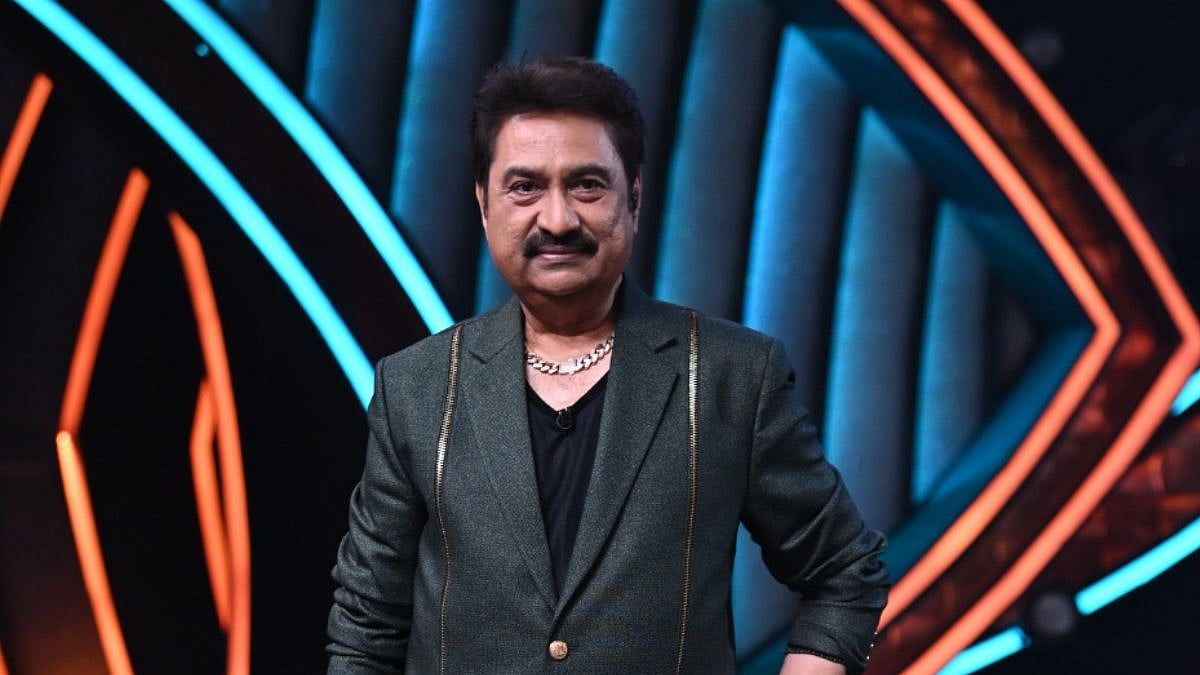
Renowned Indian playback singer Kumar Sanu Bhattacharjee, popularly known as Kumar Sanu, has approached the Delhi High Court seeking protection of his personality and publicity rights from unauthorised exploitation, including the use of his AI-cloned voice, image, and performance style for commercial purposes.
The matter is scheduled for hearing on Monday before Justice Manmeet Pritam Singh Arora.
AI Voice Cloning and “Unsavoury Humour” Prompt Legal Action
In his suit, the celebrated singer has claimed that unauthorised sound and video recordings, as well as GIFs and AI-generated content, have tarnished his image, subjected him to “unsavoury humour,” and infringed upon his moral and personality rights.
Kumar Sanu is especially concerned about content where his voice, vocal style, singing technique, and facial features have been cloned or morphed using artificial intelligence, often without consent and used for monetised content and merchandise.
“Such merchandise and audios/videos of the Plaintiff generate revenues for the Defendants, as they are uploaded and streamed on social networking websites including but not limited to Facebook, Instagram, and YouTube,” the suit states.
The suit adds that these platforms generate income based on engagement metrics such as views and clicks, leading to commercial exploitation of the singer’s identity.
Violation of Copyright Act and Personality Rights Alleged
Sanu’s legal team argues that the acts of third-party content creators and platforms amount to:
-
Violation of moral rights in his performances, as per Section 38B of the Copyright Act, 1957
-
Infringement of personality/publicity rights, including his name, voice, likeness, image, and signature
-
False endorsement and passing off by third parties attempting to profit from his reputation
The singer is represented by Advocates Shikha Sachdeva and Sana Raees Khan. The suit also names John Does (unknown persons), highlighting the challenge of tracking and identifying all offenders in the digital space.
Background: Rising Legal Concern Over AI and Celebrity Identity Theft
The case comes at a time when courts are increasingly being asked to weigh in on the legal boundaries of artificial intelligence, deepfakes, and the commercial misuse of celebrity identities.
Just last week, Justice Arora granted protection to journalist Sudhir Chaudhary over allegedly AI-generated and misleading videos circulated on social media. Similar orders have recently been passed by the High Court in favour of prominent figures, including:
-
Sri Sri Ravi Shankar (The Art of Living Foundation)
-
Actors Aishwarya Rai Bachchan, Abhishek Bachchan, and Nagarjuna
-
Film producer Karan Johar
These rulings indicate a growing judicial consensus on the need to protect personality rights in an era of rapidly evolving digital technologies.
Legal Implications: The Expanding Scope of Publicity Rights in India
Personality rights, though not explicitly codified in Indian law, have been recognised by Indian courts under Article 21 of the Constitution (Right to Life and Personal Liberty), which includes the Right to Privacy and Right to Dignity.
Section 38B of the Copyright Act, 1957 also grants performers moral rights, including the right to prevent distortion, mutilation, or other modification of their performances that could harm their reputation.
The outcome of Kumar Sanu’s petition could set a significant precedent for Indian entertainers and public figures seeking legal recourse against AI-generated content, deepfakes, and digital impersonation.