
Kevin Warsh picked by Donald Trump as next US Federal Reserve Chair
Former Fed governor Kevin Warsh is Trump’s choice to replace Jerome Powell, whom the President has publicly criticised for “slow” rate cuts. What happened: Kevin...
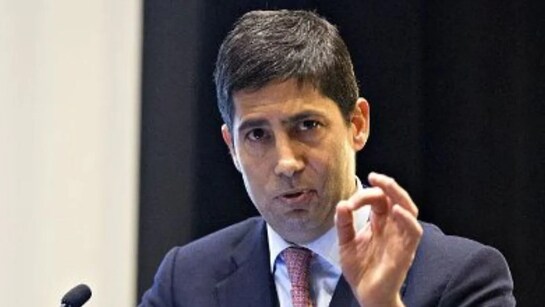
Former Fed governor Kevin Warsh is Trump’s choice to replace Jerome Powell, whom the President has publicly criticised for “slow” rate cuts.
What happened: Kevin Warsh, former Federal Reserve governor, has been chosen by Donald Trump as his pick for the next Chair of the US Federal Reserve.
Why it matters now: The decision comes after Trump repeatedly criticised current Fed Chair Jerome Powell for not cutting interest rates fast enough.
What changes for people: A leadership shift at the Fed could reshape interest rate policy, borrowing costs, inflation management and global markets.
Who is affected: American households, global investors, emerging markets, businesses dependent on loans, and international trade partners.
Trump selects Kevin Warsh after months of tension with Jerome Powell
United States President Donald Trump has selected Kevin Warsh as his preferred candidate to lead the Federal Reserve, signalling a major change in America’s monetary leadership.
Warsh previously served as a governor on the Fed’s Board from 2006 to 2011 and is known for his hawkish stance on inflation and preference for tighter monetary discipline.
The move follows months of public friction between Trump and current Fed Chair Jerome Powell, whom Trump appointed in 2017 but has since repeatedly attacked for not cutting rates quickly enough.
Trump’s dissatisfaction with Powell shaped the decision
Trump has long argued that Powell’s cautious approach to rate cuts slowed economic momentum.
The President has said Powell:
“moved too slowly” on interest rate reductions
failed to match global monetary easing
kept borrowing costs higher than necessary
Warsh, by contrast, is seen as someone more aligned with Trump’s views on pro-growth policy and faster interest rate flexibility.
Who is Kevin Warsh?
Warsh, 56, is known for:
being one of the youngest-ever Fed governors
his experience during the 2008 financial crisis
strong ties to Wall Street and academic institutions
emphasising inflation control and market stability
Analysts say Warsh tends to favour “disciplined but responsive” monetary policy, which may please markets seeking clarity.
What a Warsh-led Fed could mean for the economy
A shift in Fed leadership affects virtually every economic sector:
✔ Interest rates and loans
If Warsh leans toward quicker rate cuts, Americans could see:
lower mortgage rates
cheaper car loans
reduced business borrowing costs
Conversely, if he prioritises inflation control, rates may remain higher.
✔ Global markets
A new Fed chair can influence:
emerging market capital flows
currency movements
investor confidence
✔ Inflation and wages
Faster cuts might stimulate demand but risk reigniting inflation pressures.
✔ Political implications
The appointment signals Trump’s intent to reshape financial institutions for his economic agenda.
Experts split on Warsh’s potential impact
Economists are divided:
Some say Warsh brings valuable crisis-management experience and balanced policy instincts.
Others worry he may be too influenced by political expectations.
Financial markets reacted cautiously, awaiting signals from Warsh on interest rate strategy.
Analysts note that any major monetary shift must pass Senate confirmation.
Powell’s tenure likely to end on a tense note
Jerome Powell, whose term saw:
the pandemic recession
record inflation
aggressive rate hikes
has faced unprecedented criticism from the President who appointed him.
While Powell defended the Fed’s independence, Trump’s dissatisfaction ultimately shaped the move toward replacing him.
Bottom line
Kevin Warsh is now Trump’s chosen candidate to lead the Federal Reserve, marking a potential turning point in US economic policy.
With markets watching closely, Warsh’s stance on rate cuts, inflation and independence will determine how smoothly the transition unfolds.
What to watch next
Expect signals on Warsh’s policy priorities, Senate confirmation timelines and early market reactions as the Federal Reserve prepares for a new leadership phase.