
IndiGo Says It’s Fully Compliant With Pilot Duty Norms; Shares Jump 1.5%
India’s largest airline says it has aligned operations with stricter pilot fatigue rules after months of disruptions.The update follows a one-time exemption granted by regulators...
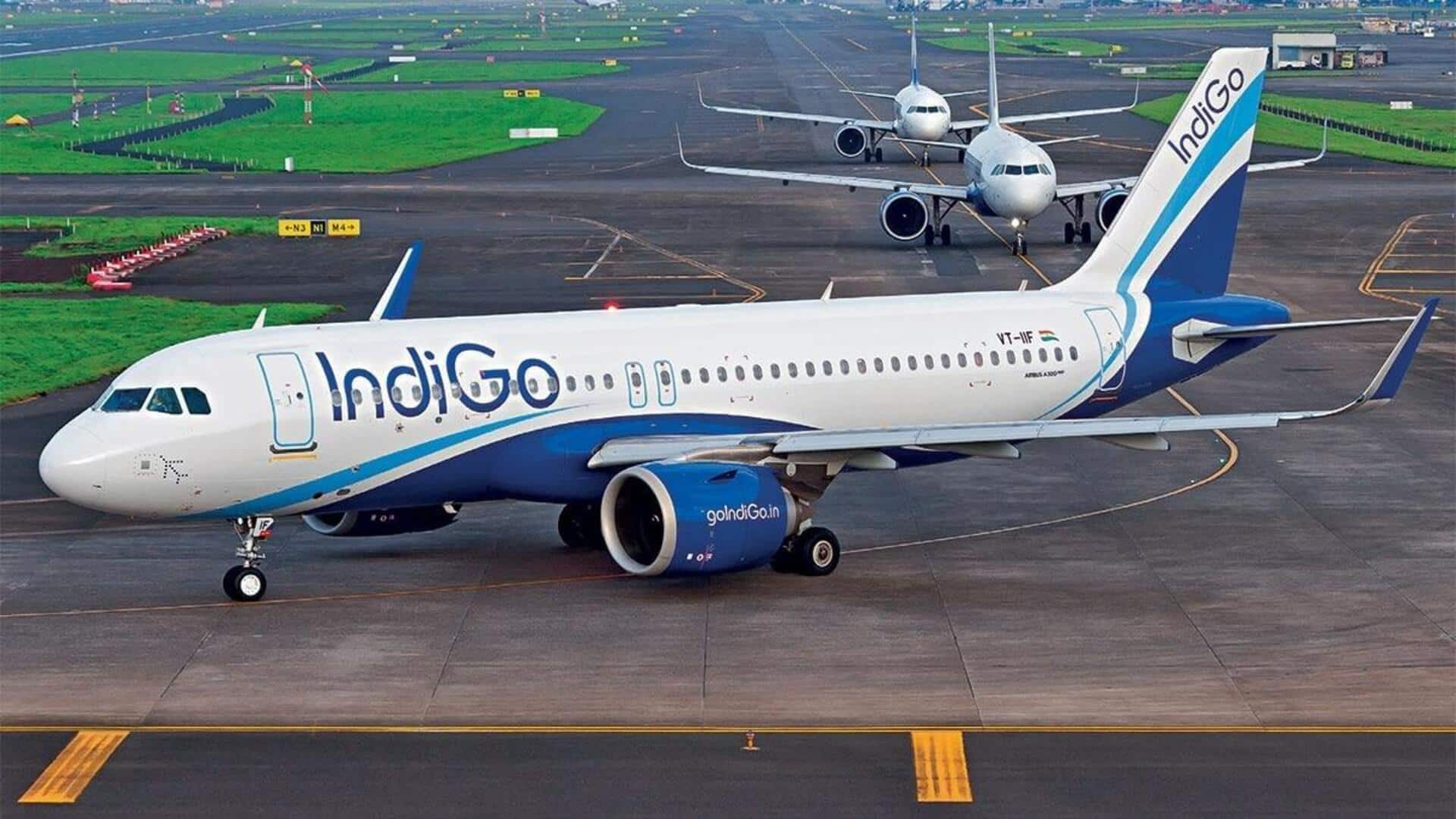
India’s largest airline says it has aligned operations with stricter pilot fatigue rules after months of disruptions.
The update follows a one-time exemption granted by regulators earlier this year.
Investors responded positively, pushing the airline’s stock higher.
Top Summary
What happened:
IndiGo confirmed it is now fully compliant with new Flight Duty Time Limitations (FDTL) norms, leading to a 1.5% rise in its shares.
Why it matters now:
The move signals operational stability after major flight disruptions in late 2025 linked to pilot scheduling rules.
What changes for people:
Passengers could see improved reliability and fewer cancellations as stricter fatigue rules come into effect.
Who is affected:
Air travellers, pilots, aviation regulators and airline investors.
Compliance After Months of Disruption
IndiGo announced that it has implemented all required operational and rostering changes to meet the Directorate General of Civil Aviation’s (DGCA) updated Flight Duty Time Limitations.
The airline informed regulators that new monitoring systems and scheduling practices are now active from February 11, 2026, marking the end of a temporary adjustment period.
The DGCA had earlier granted IndiGo a one-time exemption until February 10 after widespread flight delays and cancellations in December 2025.
What Are FDTL Norms and Why They Matter
FDTL rules are designed to reduce pilot fatigue by limiting duty hours and ensuring adequate rest between flights.
Stricter implementation last year forced airlines to rethink crew deployment, a shift that created operational challenges for IndiGo — India’s busiest carrier by passenger numbers.
Industry experts say compliance is critical not only for safety but also for maintaining passenger confidence amid rising air travel demand.
Market Reaction and Investor Sentiment
Following the announcement, IndiGo shares rose about 1.5%, reflecting investor optimism that operational disruptions may ease.
Analysts view compliance with safety regulations as a positive signal for long-term stability, especially as airlines navigate rising fuel costs and strong post-pandemic travel demand.
Some observers also point to increased pilot allowances introduced by IndiGo as part of its effort to adapt to the new duty rules.
Impact on Aviation and Passengers
For travellers, improved scheduling could mean fewer last-minute changes and smoother operations during peak travel seasons.
The DGCA’s push for stricter fatigue rules aligns India with global aviation safety standards, which prioritize crew well-being alongside efficiency.
Competitor airlines are also adjusting staffing models to meet the same regulatory framework, potentially reshaping how flights are scheduled across the industry.
Multiple Perspectives
Supporters of the new norms argue they are essential for safety and bring India’s aviation practices closer to international benchmarks.
Critics within the airline industry say the transition has increased costs and created short-term logistical hurdles, particularly during high-demand periods.
Investors, however, appear encouraged by IndiGo’s readiness to comply, viewing it as a step toward restoring operational predictability.