
India's Climate Crossroads: 1.5°C Warming Impacts & Future
India faces dire consequences as global warming nears the 1.5°C threshold, impacting lives and economy.
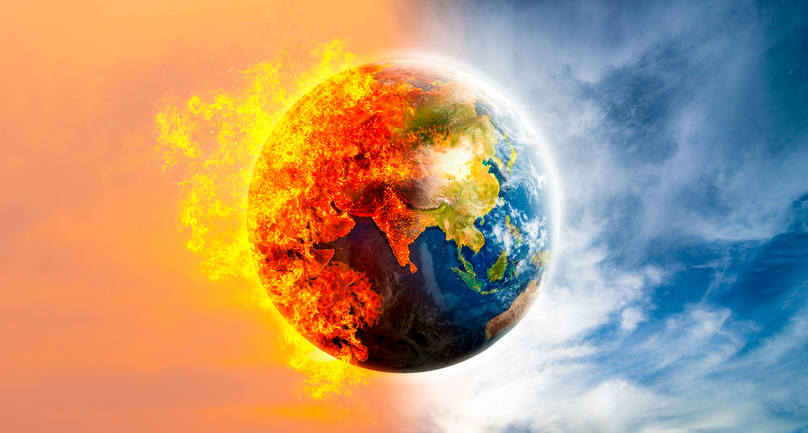
Top Summary
- What happened: Global temperatures exceeded 1.5°C above pre-industrial levels in 2024, a critical threshold in climate change.
- Why it matters: Exceeding 1.5°C will intensify extreme weather events in India, impacting water resources, agriculture, and public health.
- What changes for people: Increased heatwaves, erratic monsoons, declining crop yields, and mass displacements are expected.
- Who is affected: Vulnerable populations like farmers, informal workers, and coastal communities will face the brunt of climate impacts.
India's Looming Heat Crisis
The world is edging closer to the 1.5°C warming threshold set by the Paris Agreement. 2024 was the hottest year on record, averaging 1.55°C above pre-industrial levels. India experienced extreme weather events on 314 out of 365 days in 2024.
India is already experiencing the effects of climate change. Delhi reached a record high of 49.9°C last year. Heatwaves arrived almost three weeks earlier than in 2023.
At 1.5°C warming, annual heat-related deaths in India could increase 25-fold by 2100, potentially reaching 1.5 million deaths per year. A single degree of warming cuts the daily earnings of Delhi's informal workers by 16%, with earnings dropping by 40% during heatwaves.
Monsoon Mayhem: Unpredictable Rainfall
The Indian monsoon, vital for food and water systems, is set to change drastically. Mean monsoon rainfall has already declined by 0.5 to 1.5 mm per day every decade over the Indo-Gangetic plains since 1951.
At 1.5°C warming, the Indian Summer Monsoon will arrive about 7 days early and become more erratic. This will lead to dangerous floods in some areas and severe droughts in others, devastating homes and farmlands.
Extreme rainfall events are intensifying, even as mean monsoon rainfall declines in key agricultural belts. Coastal Gujarat, for example, sees 0.15 additional extreme rain events every decade.
Food Security at Risk
Wheat and rice, crucial for feeding India's population, are threatened. Research projects wheat yields could drop by 6 to 25% by 2100. Irrigated rice yields could fall by 7% by 2050 and 10% by 2080.
Each 1°C rise in India's mean growing temperature results in a 7% decrease in wheat yield. Temperatures above 35°C during the grain-filling stage can trigger early ripening and abort yield formation.
Vanishing Rivers and Melting Glaciers
The Himalayan glaciers, the source of major rivers, are melting rapidly. The Hindu Kush Himalaya has warmed at about 0.28°C per decade between 1950 and 2020, nearly twice the global average.
At 1.5°C warming, one-third of the region's glaciers could melt by 2100. At 2°C, that jumps to 50%. Beyond 3°C, the Eastern Himalayas could lose up to 75% of their ice.
Melting glaciers fill glacial lakes that can burst without warning, as seen in the 2023 Lhonak lake burst in Sikkim. In the long run, India's rivers will eventually run thinner.
Mass Displacement and Economic Fallout
Climate disasters caused 5.4 million internal displacements in India in 2024 alone. Currently, about 14 million Indians have already been forced out of their homes due to climate-related causes.
Climate change could poorly hit the living standards of nearly half of India's population by 2050 and push an estimated 50 million people back into poverty. Small farmers, fisherfolk, and informal workers will be disproportionately affected.
India emits roughly 3 tonnes of CO2 per capita per year, compared to 15 tonnes in the United States. India sits squarely in the crosshairs of the consequences.
What to Watch Next
Future climate summits and policy decisions will be critical in determining whether the world can still limit warming. Pay close attention to India's adaptation strategies and investments in climate resilience to mitigate the worst effects.