
Indian Vaccine Maker Seeks Review of Australian Warning on Alleged Fake Rabies Vaccine
A government-owned Indian vaccine manufacturer has formally challenged an Australian health advisory that warned of “counterfeit batches” of an anti-rabies vaccine circulating in India, arguing...
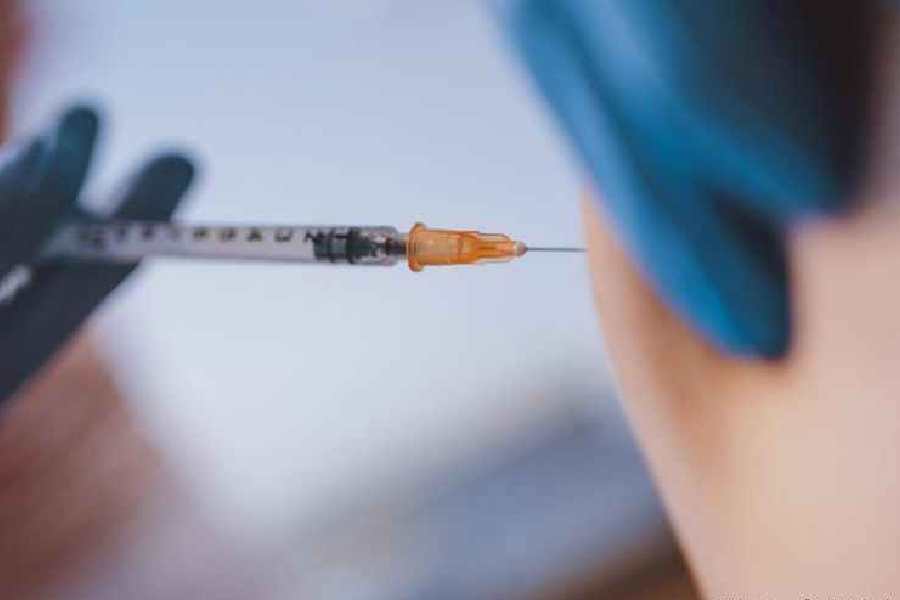
A government-owned Indian vaccine manufacturer has formally challenged an Australian health advisory that warned of “counterfeit batches” of an anti-rabies vaccine circulating in India, arguing that the notice could unnecessarily alarm travellers, patients, and healthcare professionals.
Indian Immunologicals Limited (IIL), which produces the anti-rabies vaccine Abhayrab, has asked Australian authorities to review and clarify their advisory issued on December 22, saying it may create confusion and undermine confidence in vaccines that are widely used in India and abroad.
What Triggered the International Advisory
The Australian health warning stated that counterfeit batches of Abhayrab had been circulating in India since November 1, 2023. While the vaccine is not sold in Australia, the advisory cautioned travellers who may have received rabies vaccination in India that they might not be fully protected against the virus—a disease that is almost always fatal once symptoms appear.
The notice advised individuals vaccinated in India during this period to consult healthcare providers to determine whether additional or replacement doses were required.
Similar alerts had earlier been issued internationally. The US Centers for Disease Control and Prevention (CDC) flagged the issue on November 25, citing a reported rabies case in a traveller from India and referencing the circulation of a counterfeit Abhayrab vaccine. A UK travel health authority had also issued an advisory in late October.
IIL’s Response: ‘Single Counterfeit Batch, Not Multiple’
In a communication sent to Australian health authorities on December 25, IIL said it had itself detected and reported a counterfeiting incident earlier this year, but stressed that the problem involved only one batch, not multiple batches as suggested in the advisory.
According to the company, the counterfeit vaccine falsely carried the batch number KA-24014, which corresponds to a genuine Abhayrab batch manufactured in March 2024 with an expiry date of February 2027. However, the fake product reportedly listed a different manufacturing date (November 2023), a different expiry date (October 2026), and lacked the ₹ symbol before the printed price—details that helped identify it as counterfeit.
IIL said it reported the matter to India’s drug regulator, the Central Drugs Standard Control Organisation (CDSCO), on January 13, 2025, and requested an investigation, seizure of fake products, and legal action against those involved in manufacturing and distribution.
Regulatory Silence Raises Questions
Despite the international advisories, India’s central drug regulator has not publicly disclosed whether it conducted an investigation, how widely the counterfeit vaccine may have spread, or how many people may have received it. Queries sent to the CDSCO seeking clarification on the status or outcome of any probe did not receive a response.
In the absence of official data, public health experts say it is difficult to assess the real scale of the incident or its potential impact on patient safety.
Concerns Over Language and Public Trust
Experts have cautioned that the wording used in international advisories could unintentionally fuel fear.
Reeta Mani, professor and head of neurovirology at the National Institute of Mental Health and Neurosciences (NIMHANS), Bengaluru, said that references to “counterfeit batches” and circulation since November 2023 could alarm a large number of vaccine recipients.
She emphasised that Abhayrab is widely used across India and has a strong safety record, adding that public health advisories need precise language to avoid eroding trust in life-saving vaccines.
Rabies Burden and Why Accuracy Matters
Rabies remains a major public health challenge in India. According to a 2022 estimate by the National Centre for Disease Control, nearly 2.3 million people in the country receive post-exposure rabies vaccination each year, largely following dog bites.
More recent research by the Indian Council of Medical Research (ICMR) suggests that rabies causes around 5,700 deaths annually in India—a significant reduction from earlier estimates of about 20,000 deaths per year, but still among the highest globally.
Globally, counterfeit rabies vaccines are not unprecedented. Peer-reviewed studies have documented thousands of recipients of fake vaccines, including more than 1,600 cases in a single Chinese province in 2010, and over 113,000 falsified doses reported by Chinese regulators in 2018.
A Call for Clarity and Coordination
IIL says it has supplied more than 210 million doses of Abhayrab to domestic and international markets and holds roughly 40% of India’s anti-rabies vaccine market, positioning itself as a key player in rabies prevention.
While the company supports strong action against counterfeit medicines, it argues that advisories must clearly distinguish between isolated criminal incidents and genuine products to prevent unnecessary panic. Public health specialists agree that better coordination between national regulators and international agencies is essential to protect patients while preserving confidence in vaccination programmes.
As the CDSCO remains silent on the status of its investigation, the episode highlights the growing global challenge of counterfeit medicines—and the fine balance authorities must strike between warning the public and sustaining trust in essential healthcare systems.