
Indian Exporters Recalibrate as US Tariffs Bite; Marine, Auto and Jewellery Sectors Find New Growth Corridors
Despite steep 50% US tariff barriers taking effect in late August, several Indian export sectors are rapidly shifting to alternative markets in Asia, the Gulf...
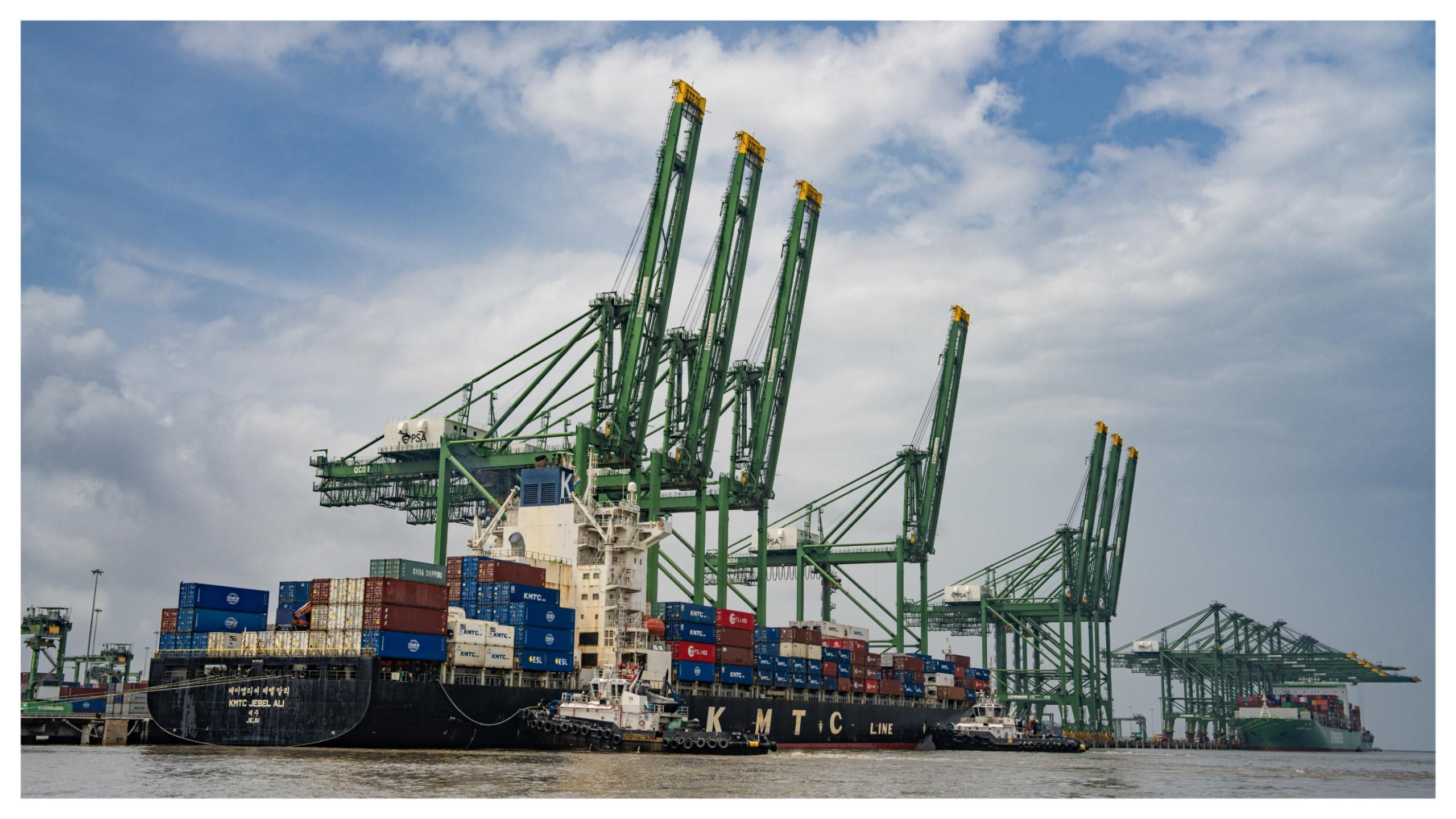
Despite steep 50% US tariff barriers taking effect in late August, several Indian export sectors are rapidly shifting to alternative markets in Asia, the Gulf and Europe—softening the immediate blow to outbound trade.
India’s export ecosystem is witnessing a sharp realignment as the United States’ additional 50% tariffs on a wide basket of Indian goods begin to reshape global trade flows. Data released by the Commerce and Industry Ministry for September and October shows that while shipments to the US have fallen in several high-value categories, exporters in marine products, gems and jewellery, auto components and electrical machinery have successfully rerouted a significant portion of their consignments to other regions.
The shift underscores both the resilience of India’s diversified trade architecture and the widening vulnerability of low-margin, labour-intensive industries unable to adjust quickly.
Gems & Jewellery: US Decline Offset by Gulf and EU Gains
Shipments of gems and jewellery to the US—a historically dominant destination—fell sharply by 76% in September compared to last year. Yet the sector avoided a major slump overall, registering only a 1.5% drop globally.
According to Commerce Ministry data, exporters compensated by increasing volumes to markets such as:
-
United Arab Emirates – up 79%
-
Hong Kong – up 11%
-
Belgium – up 8%
Trade analysts note that the UAE’s renewed appetite for cut and polished stones, supported by its gold re-export hub status, helped Indian exporters maintain order books even as US demand softened under tariffs.
Auto Components: Rebalancing Toward Europe and Southeast Asia
Auto parts exporters—another category hit by higher duties—saw a 12% dip in shipments to the US, but still achieved 8% overall export growth.
Major growth drivers included:
-
Germany
-
UAE
-
Thailand
Industry experts say that the expansion of European automotive manufacturing and the region’s push for diversified supply chains post-pandemic have opened fresh opportunities for Indian component makers.
Marine Products: China and Japan Turn Into Big Winners
One of the strongest performers has been India’s marine sector, which achieved:
-
25% export growth in September
-
11% growth in October
The strongest demand came from:
-
China – up nearly 60%
-
Japan – up 37%
-
Thailand – up ~70%
-
European Union – significant increase
The European Union has also expedited 102 new approvals for Indian seafood-processing units—marking a 25% rise in the number of Indian establishments eligible to export to the bloc. Many of these approvals were pending for more than five years.
Officials say this rapid regulatory clearance reflects Europe's need to diversify seafood sources and India’s push to reduce dependence on the US market.
Labour-Intensive Industries Struggle to Pivot
However, the data reveals that the positive trends are not universal. Several low-margin sectors—typically dependent on the US and less agile in global repositioning—are facing prolonged stress.
Sports Goods
-
The US accounts for 40% of exports.
-
The sector has not found new markets.
-
Overall exports fell 6% in October.
Cotton Garments
-
25% decline in exports to the US.
-
Shipments to the UAE, Spain, Italy and Saudi Arabia rose, but overall exports still fell 6% in September.
-
Intense competition from Vietnam and Bangladesh has limited diversification.
Leather Footwear
-
Sharp fall in US shipments.
-
Overall exports down 10%.
Economists warn that these segments employ some of the largest workforces in India’s export-oriented clusters and are highly exposed to trade shocks due to narrow profit margins and tighter working capital cycles.
Broader Trade Implications
The mixed performance highlights a deeper structural challenge for Indian exporters:
-
High-value sectors with strong supply-chain networks can shift markets quickly.
-
Labour-heavy sectors are likely to face long-term pain if the tariff dispute with Washington remains unresolved.
The government has been pushing exporters—especially in sectors like seafood—to expand into Europe, West Asia and East Asia, but officials admit that “diversification cannot fully replace the US market in the short term.”
Trade economists say India’s ability to use regional partnerships, optimise free trade agreements, and improve product competitiveness will determine how effectively it can weather extended tariff pressures.