
Indian Banks Open to Financing Sanctions-Compliant Russian Oil Amid US Curbs
Indian banks are now willing to finance trade in Russian crude provided it is sourced from non-blacklisted sellers and compliant with international sanctions, signaling that...
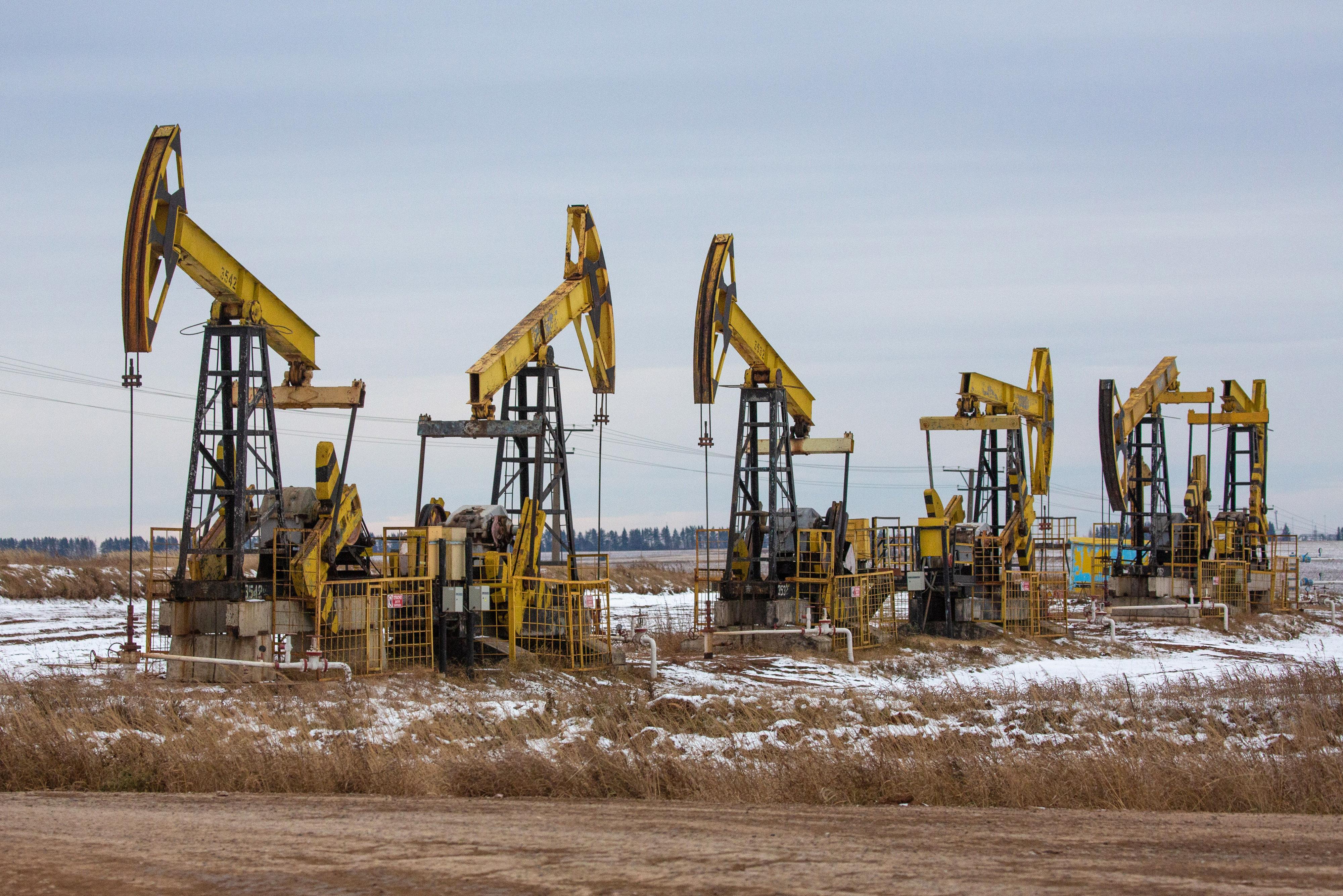
Indian banks are now willing to finance trade in Russian crude provided it is sourced from non-blacklisted sellers and compliant with international sanctions, signaling that Russia may maintain a foothold in India’s energy imports despite recent US restrictions.
According to sources cited by Bloomberg, the move marks a shift from just weeks ago, when lenders were reluctant to process payments for any Russian cargo, citing difficulties in verifying supply chains and avoiding potential exposure to US penalties.
US Sanctions and India’s Tariff Exposure
India has faced punitive tariffs of 50% on nearly two-thirds of its exports to the US due to its purchases of Russian barrels, as part of Washington’s broader effort to pressure Moscow over the war in Ukraine. The Indian government is now seeking relief, arguing that a reduction in Russian imports could justify a rollback of at least 25% of the penalty duties.
Compliance Measures and Payment Mechanisms
Banks and refiners have devised a compliance framework to facilitate payments, including processing transactions in UAE dirhams and Chinese yuan. Verification measures are being intensified, with refiners examining production sources, vessel histories, and ship-to-ship transfers to ensure no involvement with blacklisted entities.
Impact on Refiners and Prices
Most Indian refiners skipped December orders for Russian crude following sanctions targeting major producers Rosneft and Lukoil, which together account for over 50% of Russia’s oil production, along with curbs on Gazprom Neft and Surgutneftegas.
The sanctions have widened the discount on Russia’s Ural grade crude to about $7 per barrel against the Dated Brent benchmark, up from $3 before the latest measures. The steep discount incentivizes price-sensitive Indian refiners to explore compliant procurement options.
Despite the easing of financing, refiners remain cautious. Any cargo linked to sanctioned firms could freeze payments, trigger costly arbitration, or expose them to secondary sanctions, meaning that while stricter compliance may slow bookings, it is expected to sustain at least some Russian flows.