
India Proposes 3-Part Peace Plan for Russia-Ukraine War
India has presented a three-part peace plan to end the Russia-Ukraine conflict, focusing on energy, grain, and Black Sea shipping. Ukrainian officials confirm receipt of...
The Cliff News | 7 October 2026
India has put forth a significant three-part peace plan aimed at de-escalating and ultimately ending the ongoing conflict between Russia and Ukraine, demonstrating a proactive diplomatic stance in the protracted crisis. The proposal, which has been conveyed to both Kyiv and Moscow, focuses on critical aspects of the war, including energy infrastructure, the flow of vital commodities, and the security of maritime trade in the Black Sea.
This initiative marks a shift for India, moving beyond mere advocacy for peace to engaging in practical discussions with the warring parties. Diplomatic sources indicate that the plan seeks to halt attacks on energy facilities and other vital infrastructure, ensure the uninterrupted passage of grain and energy through Black Sea ports, and cease strikes on commercial shipping navigating this crucial waterway.
Comprehensive Diplomatic Initiative
The comprehensive nature of India's proposal has been acknowledged by Ukraine. Ukrainian Foreign Minister Andrii Sybiha confirmed that Kyiv has received the plan from New Delhi, characterizing it as the most extensive among four international initiatives currently on the table to resolve the conflict.
Ukraine has also received potential ceasefire proposals from other nations, including Turkey, Egypt, and the United States. However, Sybiha noted that India's proposal stands out in its breadth. Kyiv has expressed readiness to consider various formats for a truce, emphasizing that any agreement must address not only combat operations but also the protection of energy and port infrastructure, alongside the volatile situation in the Black Sea.
India's Strategic Approach
India's proposal distinguishes itself from other international efforts. While initiatives from Egypt and Turkey primarily focus on guaranteeing the unimpeded flow of grain from the Black Sea through a halt to attacks on commercial shipping, and the US proposal centres on an "energy ceasefire," India's plan encompasses all these elements within a unified framework.
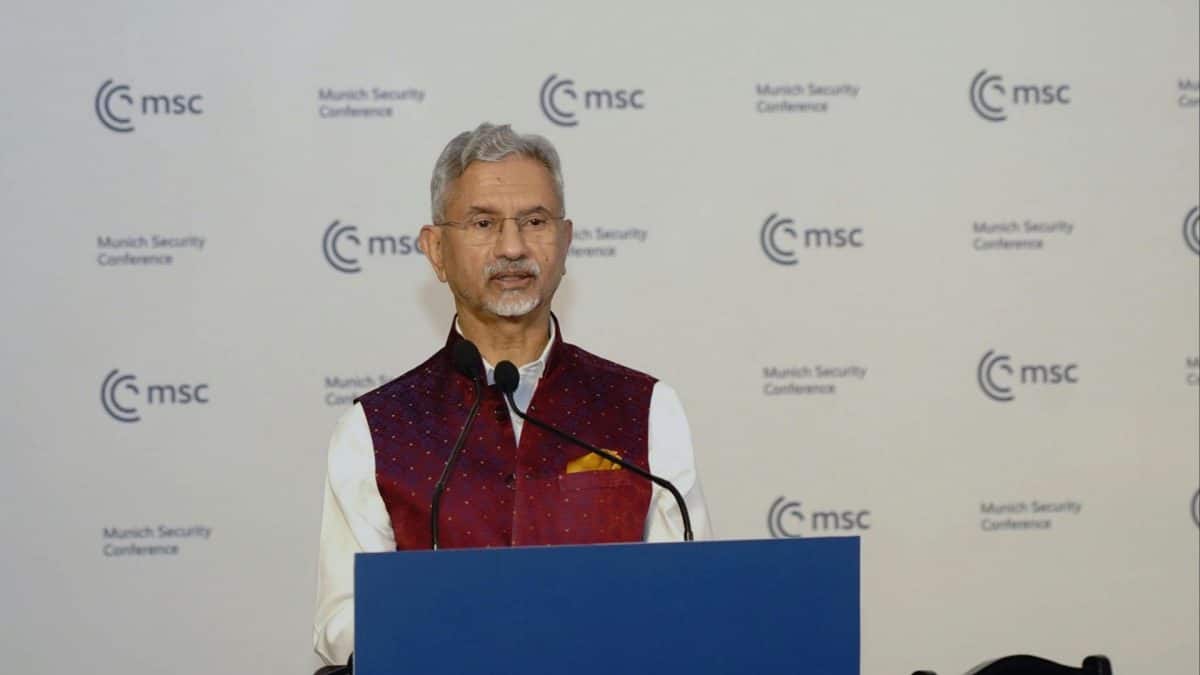
Earlier this week, Indian Foreign Minister S Jaishankar articulated India's evolving role in the conflict. Speaking at the Munich Security Conference in Delhi, he stated that New Delhi had moved beyond simple advocacy and was actively engaged in practical discussions with both Moscow and Kyiv to reduce hostilities. He revealed that recent months had seen talks with both sides, covering proposals for protecting Black Sea shipping and halting attacks on energy infrastructure.
India's Neutral Stance
Throughout the Russia-Ukraine war, India has maintained a neutral stance, consistently calling for a cessation of hostilities. This position, however, has not involved direct criticism of Russia, a reflection of India's deep-rooted defence and bilateral ties with Moscow.
This nuanced approach has allowed India to engage constructively with both parties. Ukrainian Foreign Minister Sybiha's positive reception of India's proposal, especially calling it the most comprehensive, underscores the potential for New Delhi to play a pivotal role in brokering peace. The acknowledgment from Russian President Vladimir Putin regarding Prime Minister Narendra Modi's "excellent ideas aimed at finding mutually acceptable...solutions" further highlights India's perceived impartiality and commitment to conflict resolution.
Broader Geopolitical Context
The Russia-Ukraine war, now in its fifth year, has had far-reaching global consequences, impacting energy markets, food security, and international relations. India's intervention comes at a critical juncture, as the international community continues to seek a durable peace. The emphasis on securing Black Sea trade routes is particularly significant, given their importance for global grain supplies and energy exports.
India's strategic move to present a detailed, multi-faceted peace plan reflects its growing assertiveness on the global stage and its commitment to a stable international order. The success of the proposal will depend on the willingness of both Russia and Ukraine to engage meaningfully with its provisions and on the broader geopolitical dynamics shaping the conflict.