
India Faces Fuel Price Hike Risk as Iran Conflict Escalates
Experts warn of rising oil and LPG costs for India amid escalating US-Iran tensions and potential supply disruptions.
Top Summary
- What happened: Escalating US-Iran conflict and attacks on Gulf countries are creating uncertainty in oil markets.
- Why it matters: India's significant reliance on oil and LPG imports makes it vulnerable to price hikes and supply disruptions.
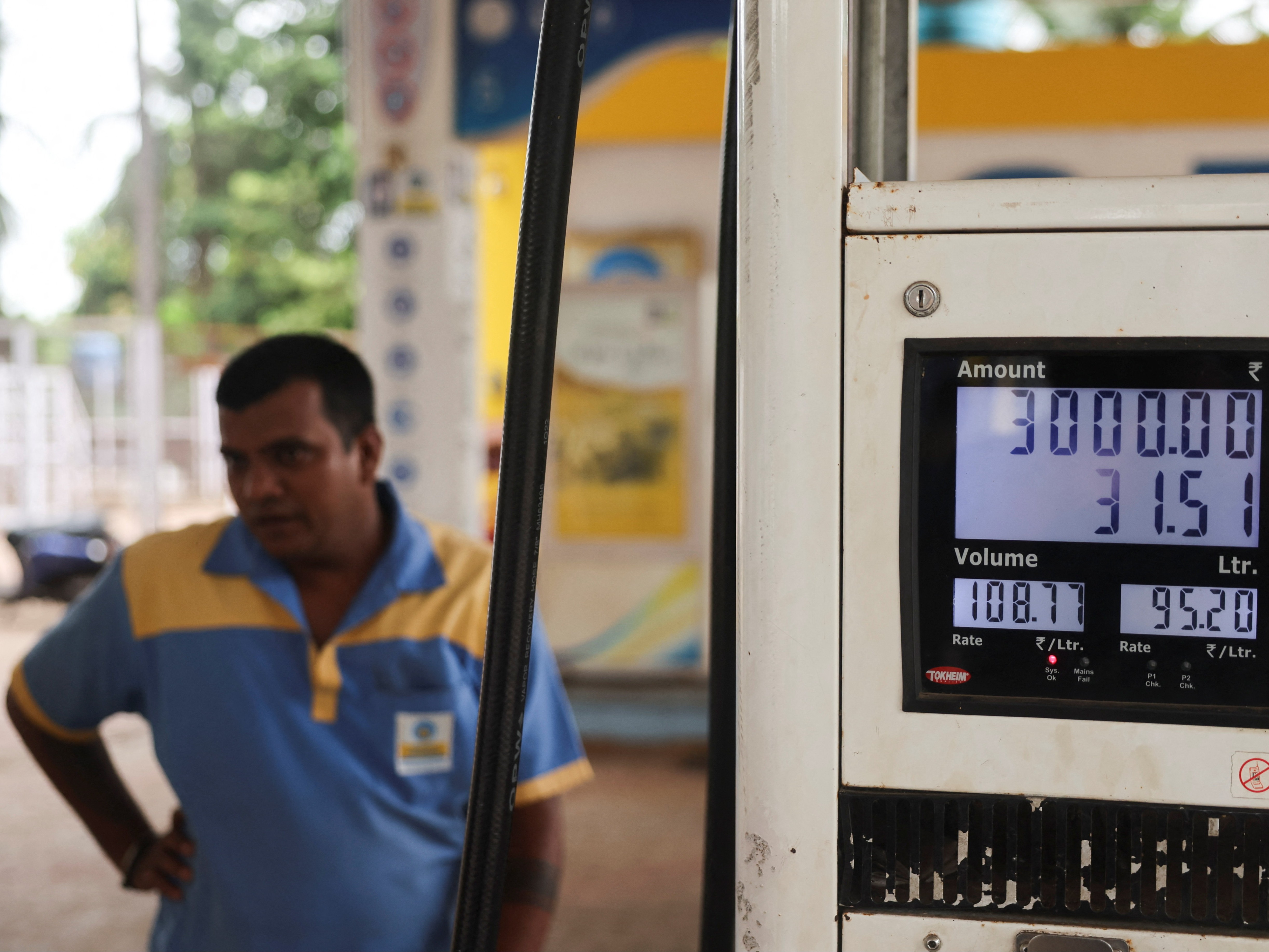
- What changes: Consumers may face higher prices for fuel and LPG, impacting household budgets and industrial costs.
- Who is affected: Indian consumers, industries dependent on LPG, and seafarers operating in the Strait of Hormuz are at risk.
Middle East Tensions Threaten India's Energy Security
India's energy security is once again under pressure due to the intensifying conflict between the US and Iran. Concerns are mounting over potential disruptions in crucial shipping lanes, particularly the Strait of Hormuz.
Leading energy economist Kirit S Parekh has cautioned that a prolonged conflict could significantly increase India's oil and gas import bill. This directly translates to higher costs for the nation's energy needs.
Impact on Oil and LPG Prices
The heightened tensions around the Strait of Hormuz, a vital artery for global crude oil and LNG trade, are causing market jitters. Brent Oil Futures have already edged closer to US$ 80 per barrel, marking a jump of over 3 per cent on Monday.
While India has diversified its crude oil sources, it remains heavily dependent on Gulf nations for LPG imports. This makes the Strait of Hormuz a strategically critical route for the country's energy supply chain.
Broader Ramifications for Oil Production
The conflict's implications extend beyond just shipping routes. Mr. Parekh highlighted that Iran's retaliatory actions, including attacks on several Gulf countries, could have far-reaching consequences.
“Iran has bombed many Gulf countries after the US attacks. This can have far-reaching ramifications on the production of oil and gas too,” stated Kirit S Parekh.
Industries that rely heavily on LPG are particularly vulnerable to any further escalation. While crude oil supplies might appear relatively insulated for now, prolonged disruptions could severely impact these sectors.
Risks for Indian Seafarers
The increased conflict in one of the world's busiest shipping lanes also poses fresh risks for Indian seafarers. Operating in the Strait of Hormuz, a zone of heightened geopolitical activity, becomes a more perilous undertaking.
What to Watch Next
The global markets will be closely monitoring any further developments in the US-Iran conflict. Attention will be on whether shipping through the Strait of Hormuz remains unhindered and the potential impact on oil and gas production levels.