
India and Brazil Deepen Economic Ties Amid US Trade Tensions
Facing the fallout from US trade tariffs, India and Brazil are moving to strengthen economic cooperation, exploring new avenues to expand their $12 billion trade...
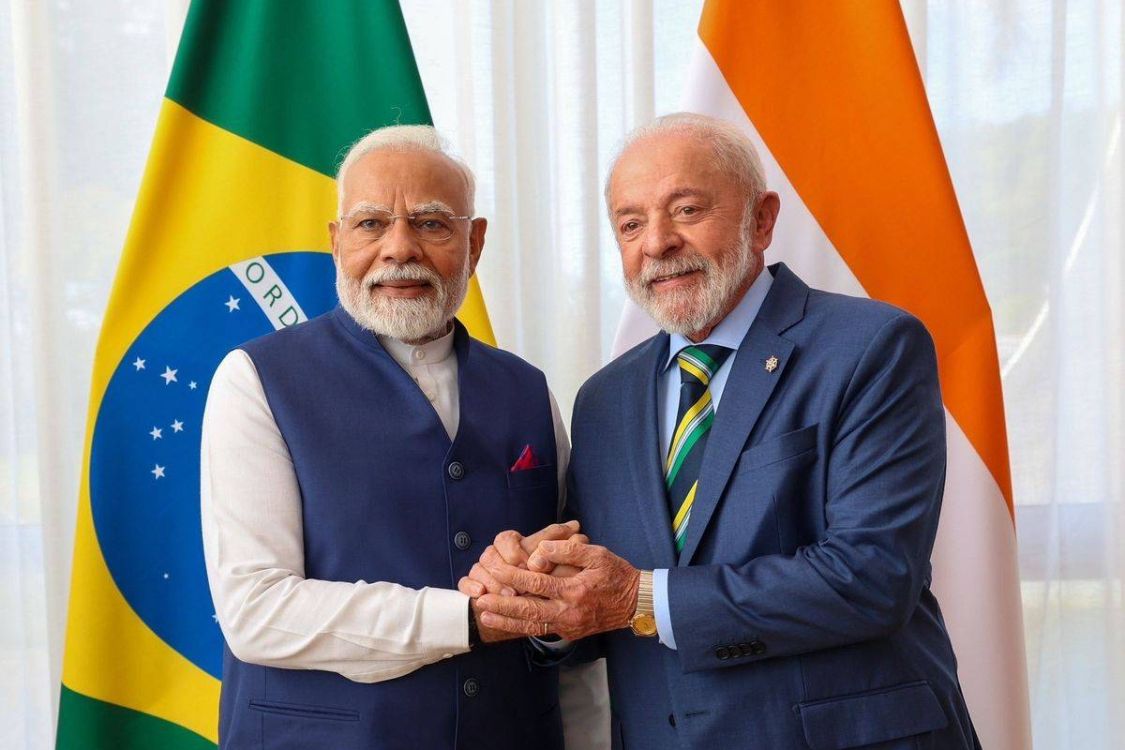
Facing the fallout from US trade tariffs, India and Brazil are moving to strengthen economic cooperation, exploring new avenues to expand their $12 billion trade partnership. Officials and business leaders from both countries are meeting in New Delhi this week to discuss collaboration in agribusiness, biofuels, defense, and coffee and ethanol markets, as they seek to hedge against uncertainties caused by Washington’s trade policies.
Context: US Trade Policies and Emerging-Market Response
Since President Donald Trump took office, India and Brazil have been among the emerging-market nations most affected by US tariffs. At one point, tariffs reached 50% on key goods, though carve-outs later exempted several Brazilian products and Indian pharmaceuticals and electronics. Nevertheless, economists warn that the levies could shave approximately one percentage point off economic growth in both countries.
Brazil, which exported about 12% of its goods to the US last year, faces risks to core sectors like beef, steel, and biofuels. The White House tariffs have also pushed India and Brazil to diversify trade partners, viewing each other as strategic alternatives amid growing uncertainty in Washington.
High-Level Engagement
The Brazilian delegation to New Delhi is led by Vice President Geraldo Alckmin and includes executives from Petrobras, Vale SA, and BRF SA. Discussions will focus on:
-
Expanding the Mercosur–India preferential trade agreement, signed in 2004
-
Partnerships in agribusiness and biofuels
-
Opportunities in defense cooperation and technology exchange
A Brazilian government official noted that India presents the highest growth potential among alternative markets.
Strategic Considerations
The partnership between President Luiz Inácio Lula da Silva and Prime Minister Narendra Modi reflects broader global realignments as countries react to Washington’s unpredictable trade policies. Experts see this as part of a wider strategy by emerging-market powers to diversify markets, reduce dependence on the US, and strengthen South-South cooperation.
Thiago de Aragao, head of Arko International in Washington, observed:
"Trump’s trade war is generating a total reorganization of trade everywhere. While countries aim to repair ties with the US, many are preparing for this mindset to persist long-term."
Brazil has already started redirecting exports previously destined for the US toward Argentina, China, and India, signaling a pragmatic approach to mitigate the impact of tariffs. Both India and Brazil are founding members of BRICS, and their collaboration reinforces the bloc’s influence in global trade.
Economic Outlook
Officials hope that deepening ties will triple bilateral trade, while offering resilience against protectionist policies. Jorge Viana, head of the Brazilian Trade and Investment Promotion Agency (Apex Brasil), said:
"Perhaps the biggest increase in trade flows we’ll see, regardless of the tariff hike, will be with India. The tariffs may accelerate, rather than hinder, this partnership."
The meetings in New Delhi are expected to set the stage for long-term cooperation, strengthening economic and diplomatic links between two of the world’s largest emerging economies.