
Income Tax Budget 2026: No change in slabs; buyback of shares to be taxed as capital gains
What happened: Nirmala Sitharaman announced that there will be no change in income tax slabs for FY 2026–27. Why it matters now: The government has...
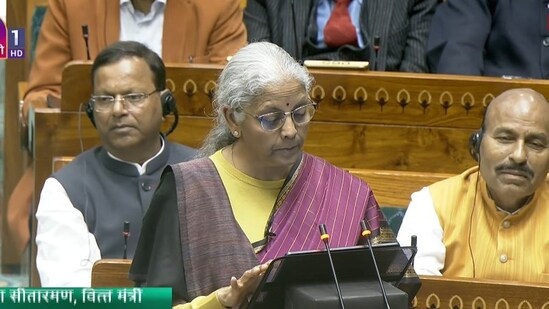
What happened: Nirmala Sitharaman announced that there will be no change in income tax slabs for FY 2026–27.
Why it matters now: The government has introduced a key shift: share buybacks will now be taxed as capital gains, changing how investors and companies handle distributions.
What changes for people: The New Income Tax Act will take effect from April 1, 2026, with updated rules and return forms to be notified soon.
Who is affected: Salaried taxpayers, equity investors, listed and unlisted companies, chartered accountants, and financial planners.
No revision in income tax slabs for FY 2026–27
In her Budget 2026 speech, Finance Minister Nirmala Sitharaman confirmed that income tax slabs will remain unchanged.
This means individual taxpayers under the new tax regime will continue with the same slab rates introduced earlier.
While many salaried citizens were anticipating relief or revised thresholds, the government has chosen to maintain stability in the tax structure for another year.
Officials indicated that broader tax reforms will fall under the newly drafted Income Tax Act, set to replace the decades-old framework.
New Income Tax Act to come into force on April 1
Sitharaman stated that the long-awaited New Income Tax Act will formally take effect from April 1, 2026.
This overhaul is expected to simplify compliances, modernize tax language, and streamline definitions across categories.
The Finance Minister confirmed that new rules, forms and return formats will be notified shortly, giving taxpayers and professionals time to adapt.
Buyback of shares to be taxed as capital gains
One of the most significant announcements is the decision to tax buybacks as capital gains rather than applying the earlier buyback tax mechanism.
What this means:
Investors receiving money from a company’s buyback will now pay capital gains tax, depending on whether the gains are short-term or long-term.
The previous 20% buyback tax on companies will now be replaced, altering corporate tax planning.
Listed and unlisted companies may tweak their capital distribution strategies in response.
Analysts say this brings greater transparency and aligns India’s system with global taxation norms.
Why these changes matter
Predictability: Keeping slabs unchanged provides stability for middle-class taxpayers.
Simplification: The introduction of a new Income Tax Act aims to modernize the tax system.
Investor impact: The shift in buyback taxation directly affects equity investors and corporate payout policies.
Ease of compliance: New forms and rules may simplify filing once notified.