
IISc Develops Transformer-Free Megawatt EV Chargers for Ultra-Fast, Efficient Charging
Researchers at the Indian Institute of Science (IISc), in collaboration with Delta Electronics India, have developed a cascaded H-bridge (CHB) multiport DC converter capable of...
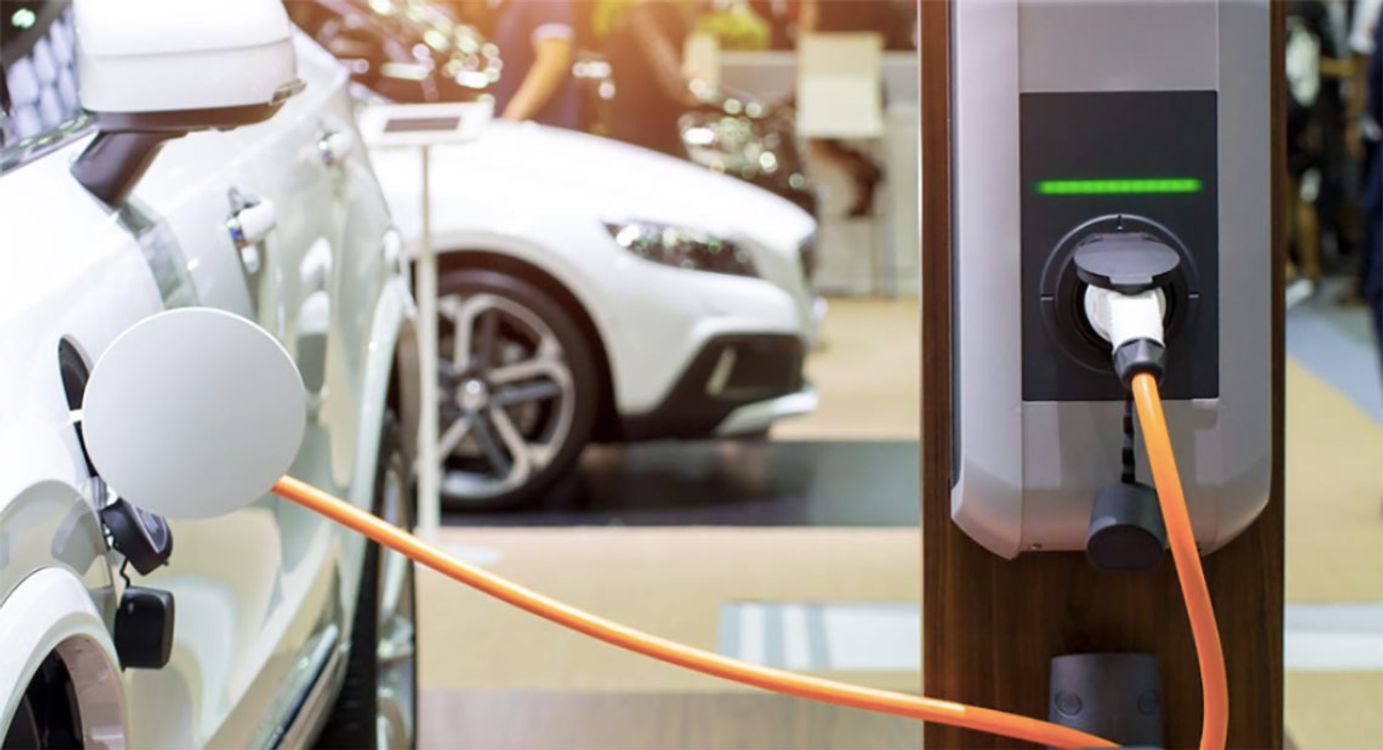
Researchers at the Indian Institute of Science (IISc), in collaboration with Delta Electronics India, have developed a cascaded H-bridge (CHB) multiport DC converter capable of delivering megawatt-level power directly from the medium-voltage (11 kV) grid—eliminating the need for bulky transformers and multiple AC–DC conversion stages in EV charging stations.
Published in IEEE Transactions on Industrial Electronics, the technology offers a 3–5% efficiency gain at high power, along with significant reductions in cost, material use, energy loss, and physical footprint.
Key Advantages of the CHB Multiport DC Converter
-
Transformer-Free Design: Connects directly to 11 kV supply, replacing heavy copper-and-iron line-frequency transformers (LFTs).
-
Multiple Output Ports: Enables simultaneous charging of multiple EVs.
-
Bidirectional Power Flow: Can feed energy back to the grid during peak demand or outages, supporting critical facilities like hospitals.
-
Integration with Renewables & Storage: Can charge from solar or battery storage systems, enhancing flexibility and sustainability.
-
Compact & Lightweight: High-frequency operation reduces size and improves efficiency.
How It Differs from Conventional Chargers
Traditional systems use transformers to step down medium-voltage AC to low-voltage AC, then charge EVs via multiple conversion stages—introducing inefficiencies, delays, and higher costs. By contrast, the CHB converter delivers high-voltage DC directly, streamlining power delivery, reducing losses, and supporting ultra-fast charging (350–500 kW), capable of charging EV batteries to 80% in 15–20 minutes.
Prof. Kaushik Basu, Associate Professor at IISc, explained, “We’ve replaced bulky transformers with a compact, solid-state solution. Our approach is essentially a solid-state transformer, converting high-voltage AC to low-voltage DC efficiently while allowing multiple vehicles to charge simultaneously.”
Prototype and Scaling
The team has demonstrated a 1.2 kW lab prototype with over 95% efficiency. Scaling to megawatt-level chargers presents challenges:
-
Cost: Semiconductor-based high-power systems are initially expensive.
-
High-Frequency Losses: Increasing switching frequency reduces transformer size but adds conversion losses.
The IISc team is now working toward 250–500 kW pilot systems, with a megawatt-level demonstration planned using car and bus emulators.
Broader Applications
Beyond EV charging, this technology could revolutionize:
-
Data Centres: Direct medium-voltage to low-voltage DC conversion reduces transformer losses.
-
Railway Traction & Wind Power Systems: Efficiently handles high-power requirements with compact equipment.
Future Prospects
Prof. Basu highlighted the potential impact on India’s EV infrastructure goals and climate initiatives:
-
Enables high-power charging stations on national highways.
-
Supports renewable energy integration, reducing reliance on fossil-fuel-based electricity.
-
Protects IP through patents filed domestically and internationally, paving the way for wider adoption.
“This indigenous technology could dramatically reduce energy losses, cost, and emissions while enabling ultra-fast charging,” said Prof. Basu. “It’s also an inspiration for the next generation of electrical engineers to innovate in power electronics and sustainable energy solutions.”
This breakthrough positions India at the forefront of next-generation EV charging and high-efficiency medium-voltage power conversion technologies.