
Hypertension Crisis: 1 in 3 Indian Adults Affected; Why It's Critical
A significant portion of the Indian adult population is now battling hypertension.
Top Summary
- What happened: 1 in 3 adults in India now suffers from hypertension.
- Why it matters: Hypertension is a major risk factor for serious health complications.
- What changes for people: Increased awareness and proactive health management are crucial.
- Who is affected: A large segment of the Indian adult population is now affected.
Rising Hypertension Rates in India
The prevalence of hypertension in India has reached alarming levels. One in three adults is now diagnosed with this condition.
This alarming statistic signals a significant public health challenge. It calls for immediate and concerted action.
Why Indians Should Worry More
The high prevalence rate among Indian adults is a cause for serious concern. Early detection and management are key.
Hypertension, if left untreated, can lead to severe health problems. These include heart disease, stroke, and kidney failure.
The Need for Proactive Measures
Addressing this health crisis requires a multi-pronged approach. Awareness campaigns are essential.
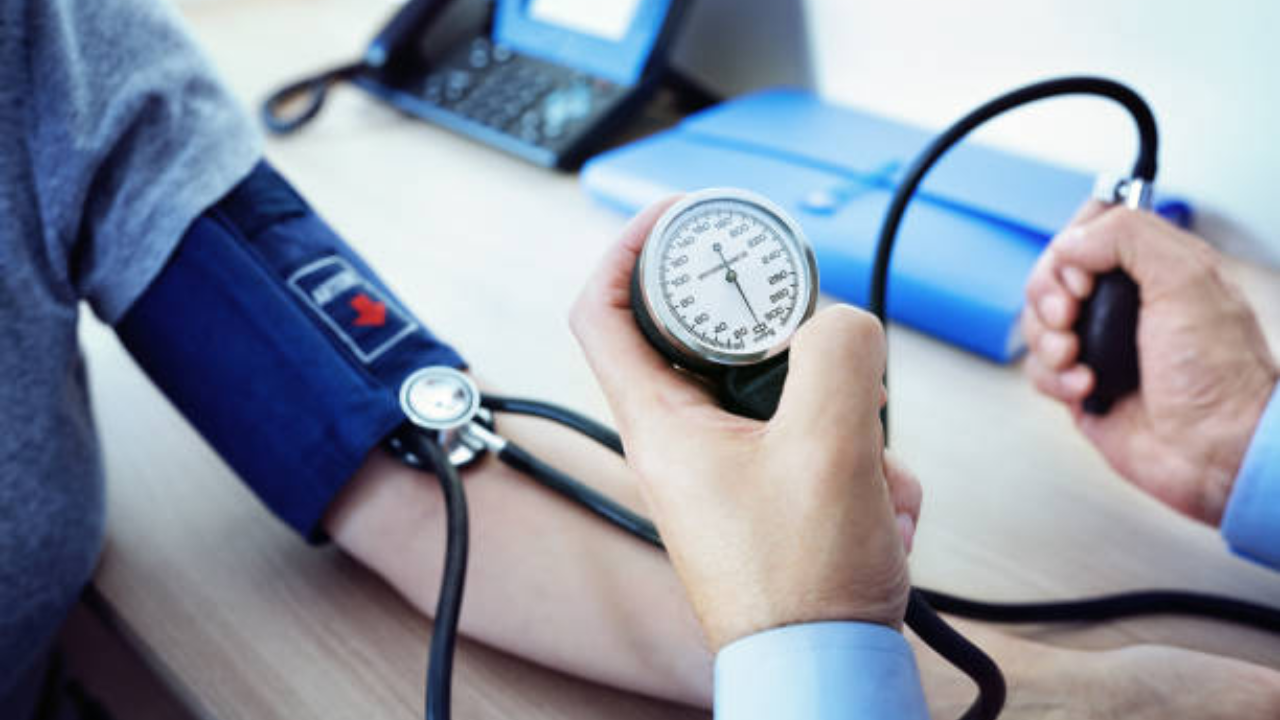
Early screening programs are also needed to identify at-risk individuals. Regular blood pressure checks are highly recommended.
Lifestyle Changes and Management
Lifestyle modifications play a crucial role in managing hypertension. These include adopting a healthy diet.
Regular physical activity and stress reduction techniques are also important. Maintaining a healthy weight is another crucial factor.
What to Watch Next
Public health initiatives aimed at promoting awareness and early detection will be key. Monitoring the effectiveness of these programs and adapting strategies as needed will be essential in curbing the hypertension epidemic.