
Himalayan Glacier Lake Shows Alarming Signs of Biological Change
Tsoltak glacial lake shows increased biological activity, indicating climate shift.
Top Summary
- What happened: Researchers discovered increased biological productivity in Tsoltak glacial lake.
- Why it matters: Signals a shift in the region's climate, impacting fragile high-altitude ecosystems.
- What changes: Lakes historically nutrient-poor are now supporting more life, indicating environmental change.
- Who is affected: The ecosystem of the Ladakh Range and potentially communities dependent on water resources.
Ladakh Lake Shows Biological Shift
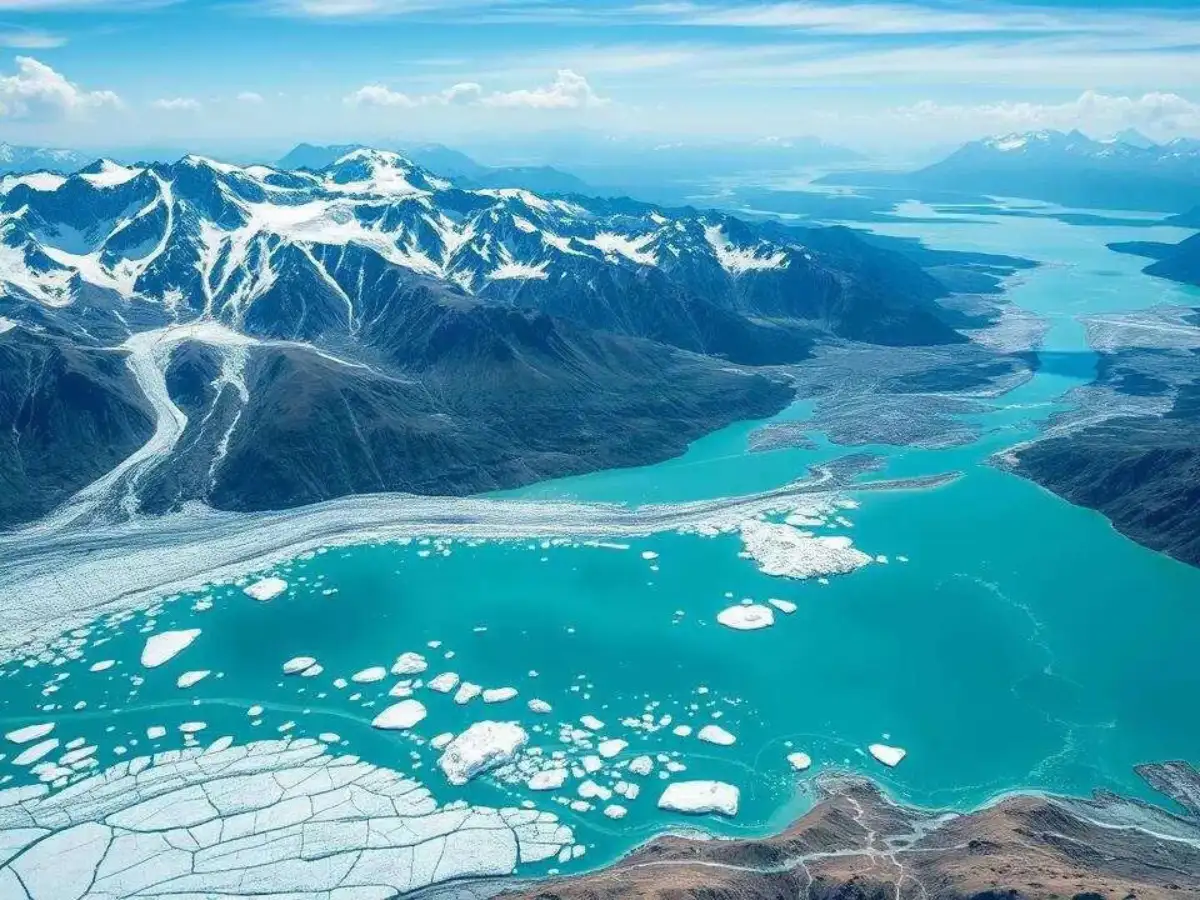
A research team has found Tsoltak glacial lake in the Himalayas is becoming more biologically productive. This change signals a shift in the climate of the region.
The lake is located in the Ladakh Range in the north-western Trans-Himalaya. It sits at an altitude of over 4,900 metres.
Historically Barren Lake Springs to Life
Lakes in this extreme climate have historically been nutrient-poor. As a result, they could support very little life.
Researchers analyzed the mud at the bottom of the lake. This data shows the changes in biological activity.
What to Watch Next
Further research is needed to understand the long-term effects of this increased biological activity. Scientists will continue monitoring Tsoltak lake and other glacial lakes in the region to assess the full impact of climate change on these fragile ecosystems.