
H5 Bird Flu Confirmed in Australia, Spreading Globally; Threatens Unique Wildlife
Australia reports its first H5 bird flu case, marking the virus's spread to every continent and raising concerns for its unique native species.
Top Summary
- What happened: Australia has detected its first-ever case of the highly contagious H5 bird flu strain in a migratory sea bird, confirming the virus's presence on every continent globally.
- Why it matters: The H5 strain poses a severe threat to Australia's unique wild bird and mammal populations, many of which are found nowhere else, and has caused widespread mortality globally.
- What changes: While no poultry infections or mass mortalities are reported yet, authorities are holding emergency meetings and planning national responses to contain the spread.
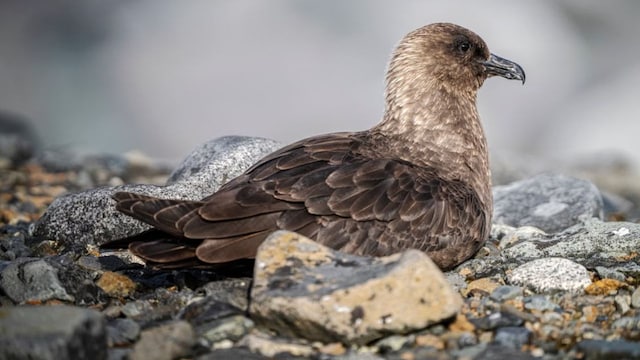
- Who is affected: A brown skua (migratory seabird) was confirmed infected, with a giant petrel also showing suspected positive results. Unique Australian species like the Tasmanian devil, black swan, and Australian sea lion are at particular risk.
Global Bird Flu Reaches Australia's Shores
The highly contagious H5 strain of bird flu has been detected in Australia for the first time, making it the final continent to report the virus. This significant development was announced by Agriculture Minister Julie Collins, confirming the strain's global reach.
The discovery was made in a migratory sea bird, specifically a brown skua, found in remote Western Australia. The national science agency has since confirmed the positive result.
Samples from another ill bird, a giant petrel from the same region, also indicated a suspected positive result for the H5 strain.
Immediate Concerns and Government Response
Minister Collins acknowledged the news was “disappointing” but added, “This is not unexpected, given the global spread of the H5 bird flu.” She emphasized that there is currently no evidence of mass mortalities or infection in poultry populations.
"Whilst disappointing, this is not unexpected, given the global spread of the H5 bird flu," Collins told reporters in Canberra. "I can confirm there is still no evidence of any mass mortalities at this time, nor is there any evidence of infection in any poultry."
Prime Minister Anthony Albanese expressed his concern on Saturday, stating his government would implement measures to contain the disease's spread. He noted the virus's transmission through migratory birds globally, underscoring Australia's preparedness.
"This is something that has happened through migratory birds, and has happened by definition around the world, and this is why we are preparing for this," Albanese said.
An emergency meeting involving animal health and agriculture officials has been convened to devise a national response strategy. Collins admitted, "We all knew we couldn't be bird flu-free forever."
Threat to Unique Australian Wildlife
The H5 strain is known for causing severe illness and high death rates among poultry, wild birds, and various mammals globally. Wild birds most vulnerable include waterfowl, shorebirds, seabirds, and birds of prey.
Beyond birds, marine mammals have also been affected, with detections in other animals such as cats, goats, alpacas, and pigs in other parts of the world.
There is significant concern that this deadly disease could escalate extinction risks for Australia's unique fauna. Nearly half of Australia's wild bird species and 83 percent of its mammals are endemic, found nowhere else on Earth.
Fiona Fraser, Australia's Threatened Species Commissioner, outlined plans to safeguard 35 species through increased captive breeding. Among those particularly vulnerable to bird flu are the Tasmanian devil, black swan, little penguin, and Australian sea lion.
"There could clearly be population-level impacts for our species," Fraser stated.
Tracing the Source and Broader Impact
The confirmed case was located in a wilderness area approximately 630 kilometres (391 miles) southeast of Perth. Officials are investigating whether the disease entered Australia via birds migrating from the sub-Antarctic region.
This follows an earlier incident where the H5 bird flu strain was responsible for killing over 13,000 elephant seal pups on the remote Heard and McDonald Islands. These islands are Australian external territories situated in the sub-Antarctic, where the virus infected a breeding colony.
What to Watch Next
Ongoing monitoring of migratory bird patterns and surveillance across Australian wildlife populations will be critical. Authorities will focus on implementing and assessing the effectiveness of national containment strategies to protect both wild species and domestic poultry, particularly given the unique vulnerability of endemic fauna.