
Gut Bacteria Could Revolutionize Cancer Treatment, Study Finds
Cancer treatment is about more than tumors, genetics, and chemotherapy. New research reveals that the trillions of microbes living in our gut—and even within tumors—may...
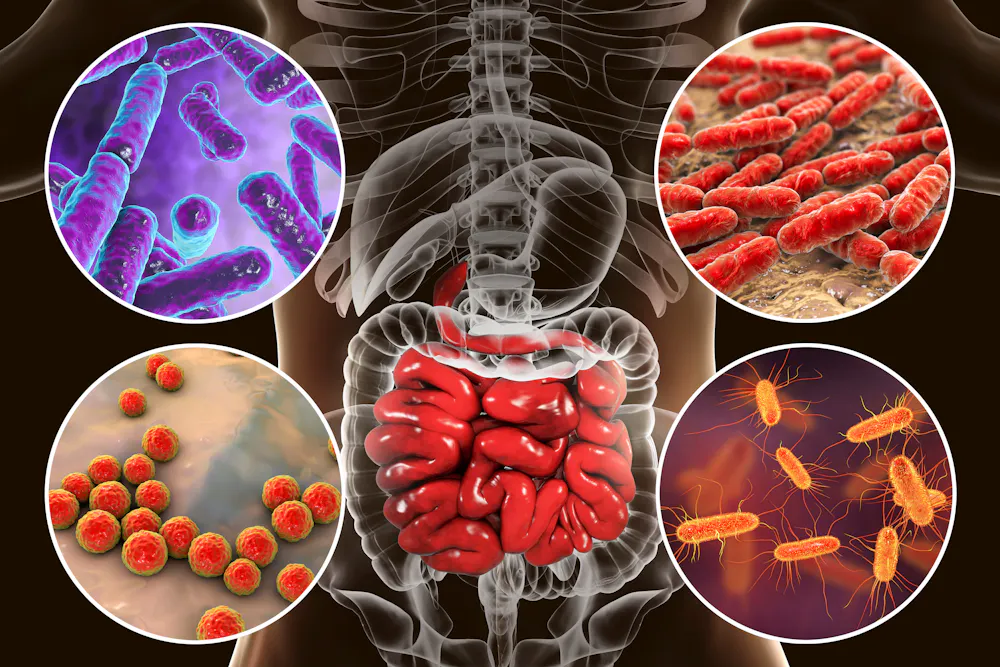
Cancer treatment is about more than tumors, genetics, and chemotherapy. New research reveals that the trillions of microbes living in our gut—and even within tumors—may significantly influence how well cancer therapies work.
A study conducted by the MRC Laboratory of Medical Sciences (LMS), Imperial College London, and the University of Cologne, published in Cell Systems, highlights the hidden role of gut bacteria and their chemical by-products in determining chemotherapy success.
The Gut-Cancer Connection
Scientists have long known that gut microbes produce molecules that can help or harm human health, including impacting cancer risk. Until now, it was unclear whether these compounds could directly affect how cancer cells respond to treatment.
Researchers designed an innovative “four-way screen”, combining:
-
Various gut bacteria
-
Different diets
-
Anti-cancer drugs such as 5-fluorouracil (5-FU)
-
Host models, including cancer cell lines, 3D tumor organoids, and living organisms
Their findings reveal that chemotherapy success isn’t dictated by drugs alone—it’s shaped by a biochemical conversation between bacteria, diet, and the tumor environment.
A Bacterial Metabolite That Fights Cancer
One of the study’s most striking discoveries is 2-methylisocitrate (2-MiCit), a bacterial metabolite that accumulates in tumor-associated bacteria.
Key findings:
-
Higher levels of 2-MiCit were found in colon and breast cancer patients compared to healthy individuals.
-
Across multiple experiments, 2-MiCit slowed tumor growth, reduced metastasis, and improved survival outcomes.
-
Mechanism: 2-MiCit disrupts mitochondrial function and DNA synthesis, triggering DNA damage and activating tumor-suppressing pathways like p53, leading cancer cells to undergo apoptosis or cell cycle arrest.
-
Tumors lacking functional p53 were particularly susceptible, highlighting its potential for difficult-to-treat cancers.
Diet and Microbiome Influence
Nutrition plays a crucial role in 2-MiCit production:
-
Bacterial metabolism is influenced by the host’s diet, including sugar and nucleotide-rich foods.
-
Combining 2-MiCit with 5-FU chemotherapy enhanced its effects, depleting the DNA building blocks cancer cells need, resulting in slower tumor growth and reduced spread.
-
Chemically modified versions of 2-MiCit with better cellular uptake were even more potent, suggesting engineered bacterial metabolites could become new therapeutic tools.
Implications for Personalized Cancer Care
This research marks a paradigm shift: the tumor microbiome is not a passive passenger—it actively shapes chemotherapy outcomes.
Potential applications include:
-
Tumor microbiome profiling to predict drug response
-
Dietary interventions to enhance chemotherapy effectiveness
-
Targeting specific bacteria or metabolites as part of treatment
For patients, this means a more tailored, effective approach to cancer therapy, improving survival rates and potentially reducing treatment side effects.
Bottom Line: Gut bacteria and their metabolites do more than influence cancer risk—they could actively determine how well chemotherapy works. Understanding the gut-tumor connection may open doors to personalized, microbiome-based cancer treatments in the near future.