
Govt Denies Role in 'Satluj' Film Removal from ZEE5
Union Minister Ravneet Bittu refutes claims of BJP/central govt involvement in 'Satluj' film's removal from ZEE5, citing platform autonomy.
Top Summary
- What happened: The film 'Satluj' was removed from ZEE5, sparking Opposition allegations of government interference.
- Why it matters: It highlights debates around historical representation and censorship of sensitive periods in India.
- What changes: Clarification on the independent decision-making process of OTT platforms regarding content.
- Who is affected: Film producers, viewers, political parties, Sikh bodies, and those interested in Punjab's history.
No Govt Hand in 'Satluj' Removal, Says Minister
Union Minister Ravneet Singh Bittu on Wednesday firmly rejected accusations that the BJP government or the central administration orchestrated the removal of the film Satluj from the ZEE5 streaming platform.
He stated that the decision was solely an internal matter for the platform itself, asserting there was no factual or legal connection to the government.
Film's Contentious Journey
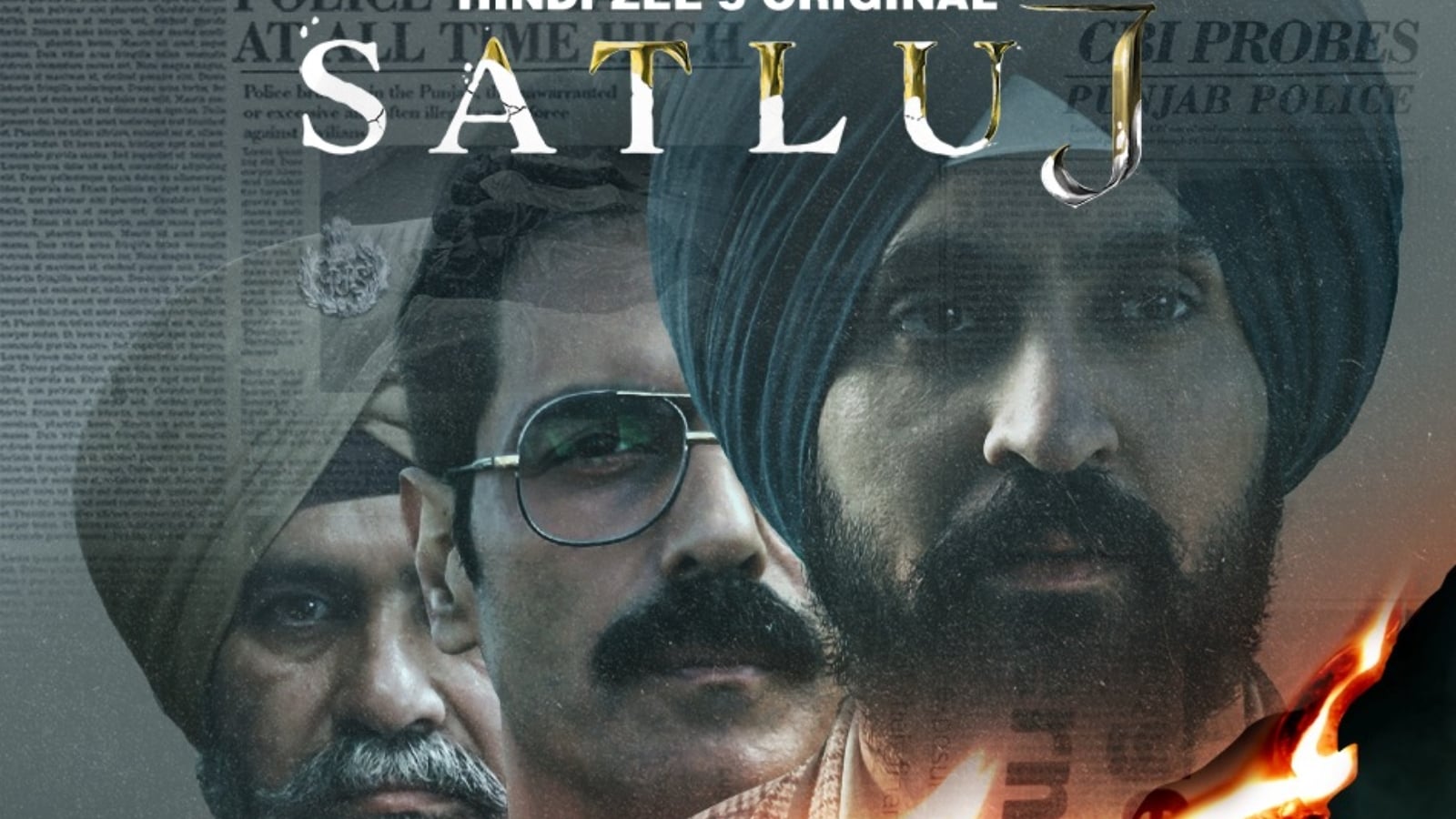
Previously titled Punjab '95, the film delves into the life of human rights activist Jaswant Singh Khalra and the tumultuous period of militancy in Punjab during the 1990s.
The movie faced a three-year delay by censors before its eventual uncut release on ZEE5 on July 3, under its revised title, Satluj. However, it was withdrawn from the platform just two days later.
Opposition and Sikh Bodies Criticize Removal
Several political parties and Sikh organizations in Punjab had voiced strong criticism following the film's removal. They argued that the movie compels India to confront a "darkest chapter" of its history.
These groups contended that history should be faced with honesty rather than suppressed through censorship, expressing concern over the platform's decision.
Minister Emphasizes OTT Platform Autonomy
Speaking on the sidelines of a visit to the redeveloped Jalandhar Cantt railway station, Minister Bittu clarified the operational framework of Over-The-Top (OTT) platforms.
He explained that OTT platforms are not subject to the same prior government censorship as theatrical film releases. Decisions regarding content hosting or withdrawal are made independently by the platforms themselves.
"Consequently, attributing the removal of Satluj from ZEE5 to the BJP or the central government has no factual or legal basis," he stated.
Historical Context and Balanced Narratives
Minister Bittu further argued that the film's depiction of events occurred during a time when both Punjab and the Centre were governed by the Congress.
He labeled attempts to link the BJP to the film's portrayal of that era as politically motivated and "factually untenable".
The minister, grandson of former Punjab Chief Minister Beant Singh, stressed the importance of presenting Punjab's history in its entirety, rather than through a "one-sided narrative".
Acknowledging All Aspects of Militancy Era
He added that any discussion about the years of militancy must acknowledge not only allegations against the state but also the profound suffering inflicted by terrorism on thousands of civilians, police personnel, public servants, and elected representatives.
Bittu reiterated that militancy should never be associated with any religion or community, emphasizing that it "had no religion".
Focus on Facts and Peace
He advocated for historical debates to be grounded in facts, verified records, and a balanced perspective, steering clear of selective narratives or political propaganda.
The government led by Beant Singh, he noted, inherited a Punjab devastated by terrorism, and its priority was to restore peace, law and order, and democratic governance.
He suggested that the return of normalcy and public confidence during that period deserves equal recognition alongside other historical aspects of Punjab's past.
Democratic Debate vs. Political Controversy
While the BJP believes history should be debated democratically, such discussions should not be exploited to create political controversy or rekindle old divisions.
The focus, he concluded, should remain on preserving peace and strengthening democracy in the state and the nation.
What to Watch Next
Future developments will likely involve further discussions on historical representation and the regulatory landscape for OTT platforms in India. The ongoing debate may also influence how sensitive historical events are portrayed in media moving forward.