
Gold slips toward 4,580 dollars as stronger US data cools record rally
• What happened: Gold eased toward 4,580 dollars per ounce after touching a fresh record earlier.• Why it matters now: Stronger US economic data has...
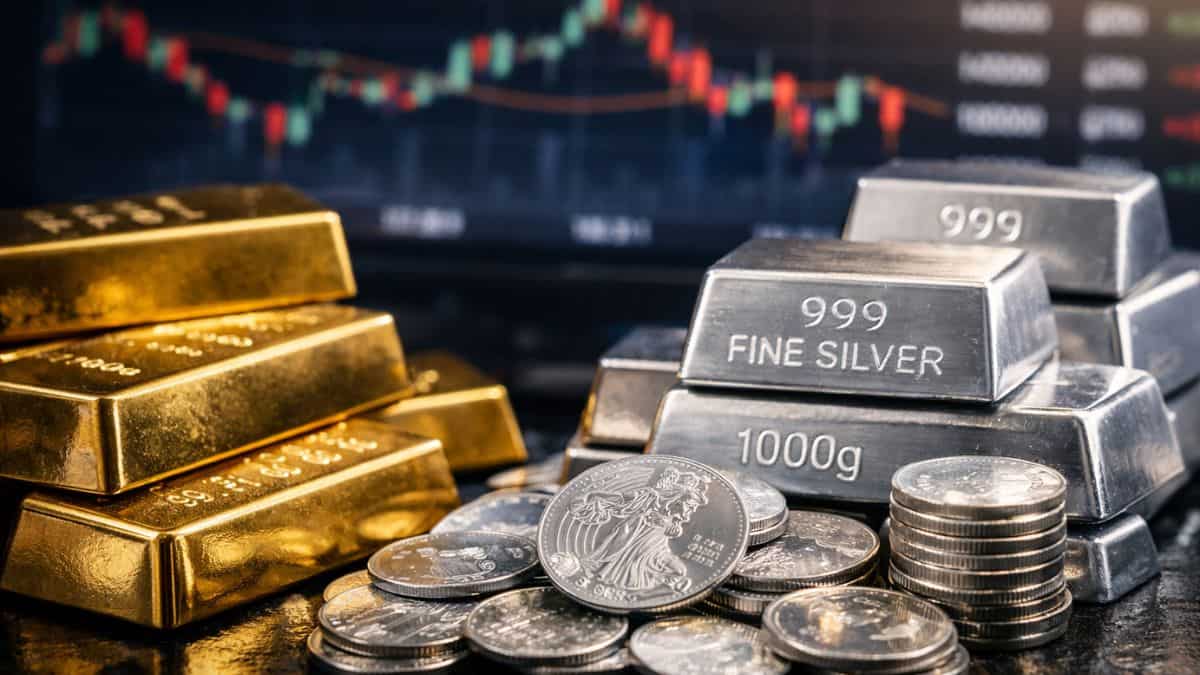
• What happened: Gold eased toward 4,580 dollars per ounce after touching a fresh record earlier.
• Why it matters now: Stronger US economic data has reduced pressure on the Federal Reserve to cut rates soon.
• What changes for people: A longer period of higher rates can lift borrowing costs and weigh on asset prices, including gold.
• Who is affected: Investors, central banks, commodity traders and individuals tracking safe-haven assets.
Gold’s record-breaking momentum paused on January 15 as prices pulled back from an all-time peak, moving toward 4,580 dollars per ounce. The retreat comes after firmer US economic indicators signaled that the Federal Reserve may keep rates elevated for longer, softening demand for non-yielding assets like gold.
Despite the dip, analysts note the broader uptrend remains intact as geopolitical uncertainty and concerns around central bank independence continue to inject risk into global markets.
Strong US data shifts interest rate expectations
Fresh US government data showed a 0.6 percent rise in Retail Sales for November, beating expectations. At the same time, the Producer Price Index held close to 3 percent year-on-year for both headline and core readings. The unemployment rate also edged down to 4.4 percent.
Economists say these readings illustrate a resilient US economy and underline the Fed’s stance that inflation progress remains uneven. Investment banks, including Morgan Stanley, have adjusted forecasts and now see potential rate cuts pushed to mid 2026.
A firmer US dollar, with the Dollar Index near 99.10, also capped gold demand by making the metal more expensive for overseas buyers.
Geopolitical risk cools but uncertainty persists
Safe-haven buying slowed as tensions involving Iran appeared to ease. According to US government statements, internal violence in the country had subsided and no large-scale executions were expected, reducing fears of immediate escalation.
However, Washington has signaled that economic and military measures remain possible. This keeps a geopolitical risk premium in place, which historically supports gold.
At the same time, comments from Fed Chair Jerome Powell criticizing political interference have drawn attention to the institution’s independence. Analysts say such concerns can lift long-term uncertainty, indirectly supporting commodities like gold.
Broader market impact and investor takeaway
Analysts describe the current move as profit-taking rather than a structural shift. With gold still trading above key moving averages, chart watchers maintain a bullish medium-term outlook, although momentum indicators suggest a cooling phase is underway.
For investors, sustained higher rates could slow immediate upside but reinforce gold’s appeal as a hedge against political risk, currency depreciation and long-term inflation.
Commodity traders note that gold remains a crucial barometer of global risk sentiment, reacting to shifts in economic data, dollar movements and geopolitical flashpoints.