
Giant Prehistoric Insects May Not Have Needed High Oxygen Levels After All, Scientists Say
For decades, scientists believed giant prehistoric insects could only exist because Earth once had extremely high oxygen levels. But a new study published in Nature...
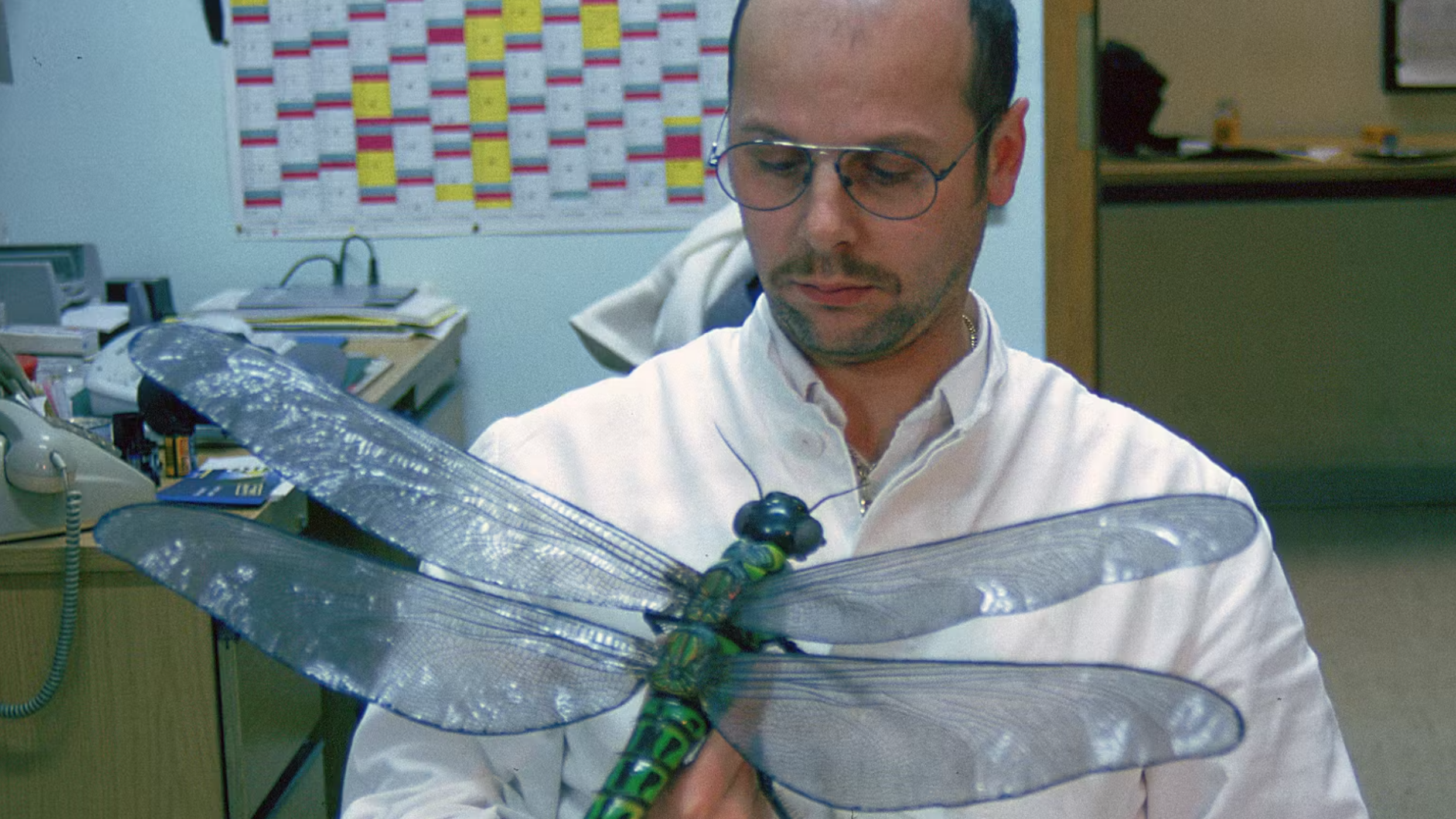
For decades, scientists believed giant prehistoric insects could only exist because Earth once had extremely high oxygen levels. But a new study published in Nature is now challenging that long-standing theory, suggesting oxygen alone may not explain why massive insects once dominated the planet.
What happened
- Researchers re-examined the theory linking giant insects to high atmospheric oxygen
- The study analyzed insect flight muscles using advanced electron microscopy
- Scientists found oxygen transport systems in insects may not limit body size as strongly as previously believed
- Findings suggest other biological or environmental factors may have influenced giant insect evolution
Why giant insects existed
Around 300 million years ago, Earth looked very different:
- The supercontinent Pangaea covered much of the planet
- Dense swamp forests dominated equatorial regions
- Massive insects, amphibians, reptiles, and arthropods thrived in prehistoric ecosystems
Scientists previously believed elevated oxygen levels allowed insects to grow much larger because insects breathe through tiny air-filled tubes called the tracheal system instead of lungs.
What the new study found
Researchers discovered that:
- Tiny oxygen-carrying structures called tracheoles occupy only a very small part of insect flight muscles
- Even giant prehistoric insects may have been able to support larger oxygen transport systems without major physical limitations
- Oxygen delivery may not have been the primary factor restricting insect size
Lead researcher Edward “Ned” Snelling said the evidence for oxygen-driven size limits appears weaker than previously thought.
Other possible explanations
Scientists now believe other factors may have played a role, including:
- Predation pressure from early vertebrates
- Structural limitations of insect exoskeletons
- Evolutionary competition and environmental changes
Researchers say the mystery of why giant insects evolved — and later disappeared — is still not fully solved.
Why it matters
The findings challenge one of paleontology’s most accepted theories and could reshape scientific understanding of ancient ecosystems, evolution, and how environmental conditions affect animal size.
What changes
- Scientists may rethink long-standing theories about prehistoric life
- Future studies could focus more on biomechanics and evolution rather than oxygen levels alone
- Research into ancient ecosystems may become more complex and interdisciplinary
Who is affected
- Paleontologists and evolutionary biologists
- Climate and Earth history researchers
- Students and researchers studying prehistoric ecosystems
- Scientific communities exploring animal evolution
What to watch next
Researchers are expected to further investigate how ancient insects adapted biologically and whether factors like exoskeleton strength, predators, or climate shifts played a bigger role in limiting insect size than atmospheric oxygen.