
G7 to Release 100 Million Barrels of Oil to Curb Prices
The G7 nations have announced a coordinated release of 100 million barrels of oil and fuel products, primarily diesel, to address record-high prices.
The Cliff News | 3 October 2026
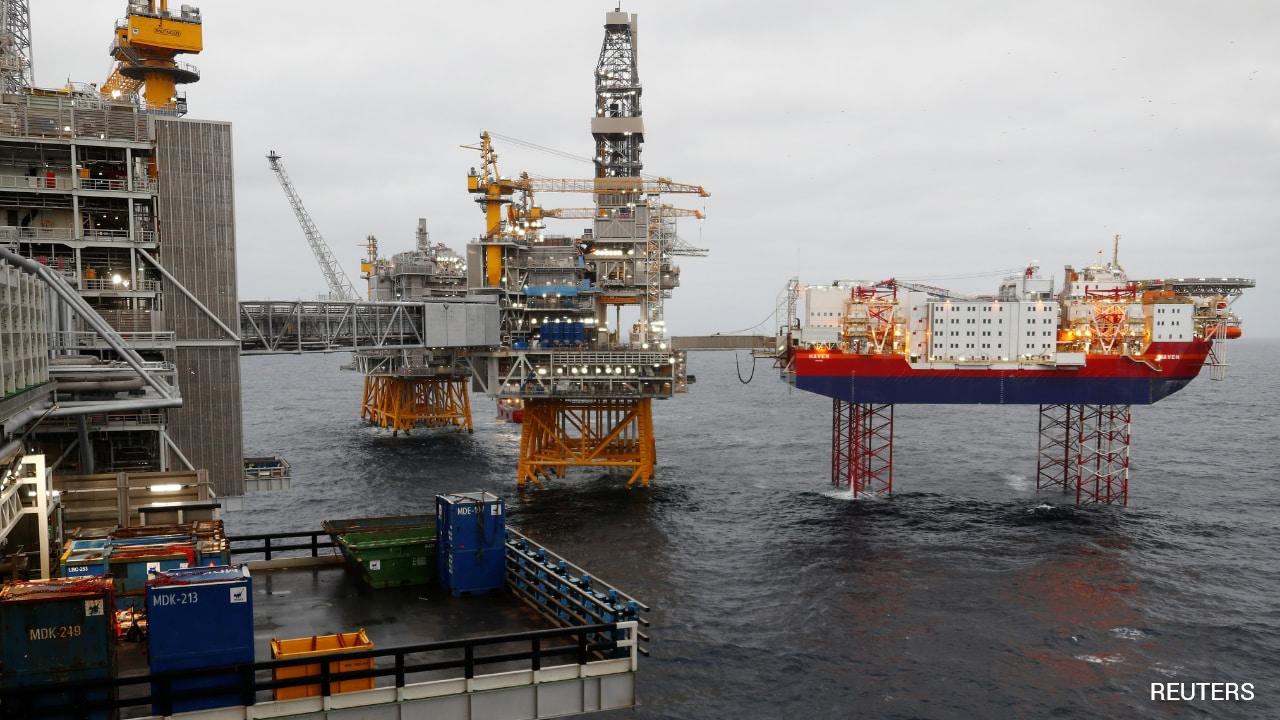
The Group of Seven (G7) wealthy democracies announced Friday their plan to release 100 million barrels of oil and fuel products in the coming weeks. This substantial release, starting with significant amounts of diesel, aims to combat recently record-high fuel prices in the United States and abroad.
The initiative was spearheaded by President Donald Trump, who stated the diesel release would commence "immediately." This aligns with the G7's promise for a "frontloaded substantial release" of diesel within the next 20 days, with the remainder to be released over four months. The move comes as President Trump and the Republican Party face mounting pressure to address escalating energy costs ahead of the November 3 midterm elections, with his approval ratings on the economy hitting a new low.
Addressing Soaring Fuel Costs
Gasoline prices have seen a significant surge both domestically and internationally during the ongoing eight-month war. The national average for a gallon of diesel in the US reached a concerning $6.37 on Friday, having previously set a record of $6.52 on September 22. Europe has also experienced record diesel prices, underscoring the global nature of the crisis.
Michael Lynch, a distinguished fellow at the Energy Policy Research Foundation, suggested that the release of diesel in Europe could lead to reduced US diesel exports. This, in turn, could potentially lower prices by 25-50 cents per gallon within a few weeks. France, currently holding the rotating presidency of the G7, made the announcement following videoconference talks presided over by Emmanuel Macron.
G7 Unity and Market Impact
The G7 member countries include Canada, France, Germany, Italy, Japan, the UK, and the US, along with representation from the European Union. This coordinated action follows a similar announcement in March, where International Energy Agency member countries committed to releasing 426 million barrels of oil and products to stabilize the market.
Emmanuel Macron emphasized the importance of this "common decision and this unity" in bringing down prices, stating, "The volumes we're releasing should also add liquidity to the market and bring down prices."
Factors Contributing to High Prices
Several factors have contributed to the current surge in diesel prices. Beyond the general increase in crude oil prices, Russia's decision to ban exports, following Ukrainian drone strikes on its refineries, has significantly impacted supply. Although Europe does not directly import Russian diesel, other major buyers like Turkey and Latin American countries are now forced to compete with Europe for available barrels.
Furthermore, refined product shipments from Persian Gulf producers have decreased due to war damage and obstructed export routes. These combined issues have created a complex and volatile energy market.
Market Reaction and Future Outlook
The G7 statement initially caused US oil prices to drop by 2 percent. However, analysts noted that the impact was somewhat muted due to a lack of clarity regarding whether this 100 million barrel release is in addition to or part of the previously announced March pledge. Pavel Molchanov, an investment strategy analyst at Raymond James, highlighted this uncertainty.
Some Republican members of Congress had urged President Trump to consider banning US diesel exports to lower domestic prices. However, the G7 statement affirmed the group's agreement not to limit energy exports to each other. Oil market experts caution that a US export ban, while potentially offering short-term price relief, could ultimately prove detrimental by reducing gasoline supplies, as diesel production cannot be curtailed without affecting overall refinery output.
President Trump addressed the possibility of an export ban, stating, "we were never going to do it." He further elaborated, "We're not going to be doing the export ban. We're going to be doing what we're supposed to do," acknowledging Europe's and the US's "major world contribution."
Potential Long-Term Consequences
Energy experts warn that this emergency release might offer a short-term solution but could carry long-term risks. Jim Krane, an energy research fellow at Rice University's Baker Institute, commented, "Draining stocks will reduce retail fuel prices for a while, at the cost of leaving Europe with less emergency cover."
He added that replenishing these strategic reserves will be necessary at some point, typically when prices are lower. "Nobody knows when that will happen. It's a risk." This highlights the potential challenge of refilling depleted reserves when market conditions are less favorable.