
G7: PM Modi Presses Global Leaders on Indian Lives Lost in Gulf Maritime Strikes
PM Modi at G7 directly addressed the loss of Indian lives in West Asian maritime strikes, urging global responsibility for seafarer safety.
Top Summary
- What happened: Prime Minister Narendra Modi, at the G7 Summit outreach session, strongly raised the issue of Indian civilian casualties resulting from maritime strikes in the Strait of Hormuz. He specifically cited a recent US military strike in the Gulf of Oman.
- Why it matters: The incident highlights the lethal toll of geopolitical conflict in West Asia on innocent global workers and disrupts vital international maritime trade, affecting the global economy.
- What changes: The statement signals a sharp, defensive stance from New Delhi regarding the safety of its citizens caught in crossfire zones. This could lead to increased diplomatic efforts to protect Indian seafarers.
- Who is affected: Indian seafarers, like the three killed aboard the MT Settebello, are directly impacted. Their safety is now underscored as a shared international responsibility, affecting global commerce and interconnected economies.
Modi Confronts Global Leaders on Seafarer Safety
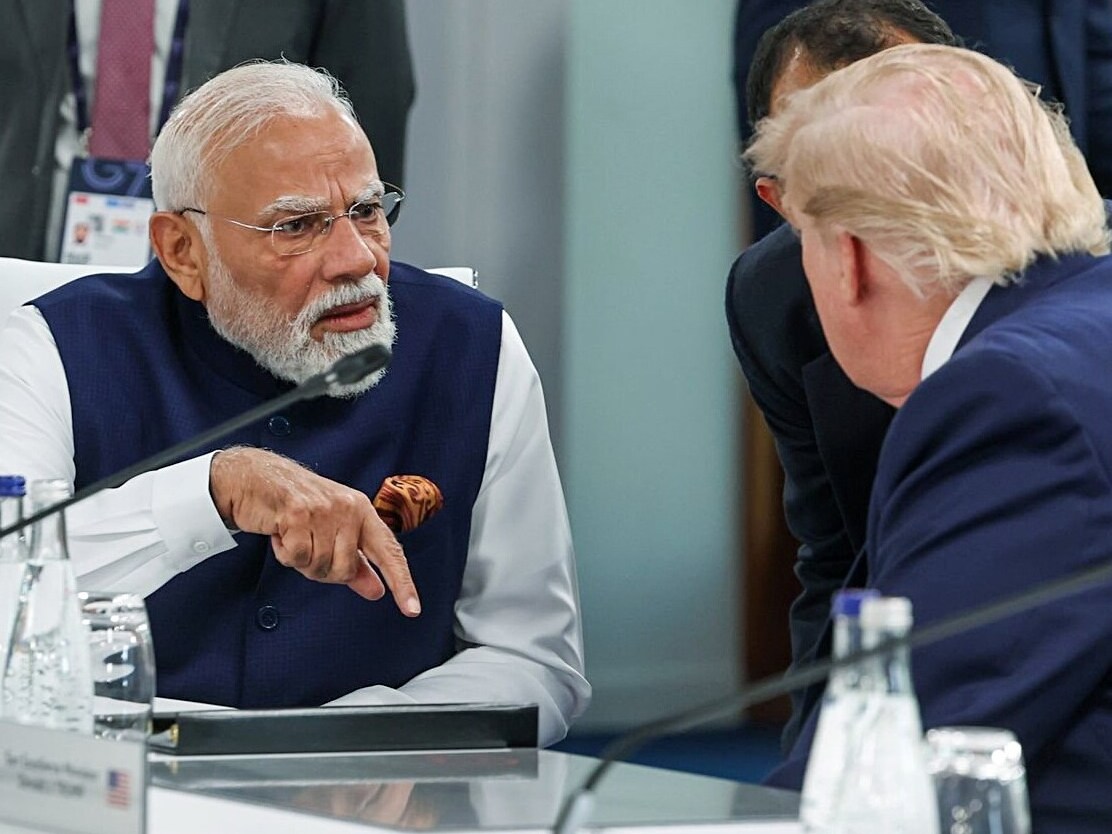
Prime Minister Narendra Modi took a firm stand on the opening day of the G7 Summit outreach session in France. Seated directly alongside US President Donald Trump, PM Modi pointedly addressed the ongoing geopolitical conflict in West Asia.
He highlighted its direct and lethal toll on the innocent global workforce. This strong address underscores India's concern for its citizens amidst international tensions.
Tragedy in the Gulf of Oman
The Prime Minister's statement directly followed a significant incident last week. A US military strike in the Gulf of Oman resulted in the deaths of three Indian seafarers.
These individuals were aboard the commercial oil tanker MT Settebello. The tragic loss of life brought the human cost of these conflicts into sharp focus at the global forum.
"Disruptions to maritime trade through the Strait of Hormuz have affected the global economy, and several Indian civilians have lost their lives," PM Modi stated at the summit.
He further underscored that protecting seafarers, who form the backbone of interconnected global commerce, is a shared international responsibility.
New Delhi's Defensive Stance
While PM Modi and President Trump had earlier shared a formal handshake and brief pleasantries, the Prime Minister's address marked a significant shift. It signals a sharp, defensive stance from New Delhi.
This stance is specifically concerning the safety of its citizens. Many Indians are frequently caught in the crossfire zones and blockade areas of such conflicts.
What to Watch Next
Future discussions at international forums, including subsequent G7 meetings, may delve deeper into establishing stronger protections for civilian seafarers in conflict zones. New Delhi is likely to continue its diplomatic efforts to ensure the safety of its vast maritime workforce and advocate for international protocols to prevent further casualties.