
First supermoon of 2026 lights up the sky tonight, here’s when India can see it
The first supermoon of 2026 will be visible tonight, January 3 The Moon will appear about 30 percent brighter and 14 percent larger than...
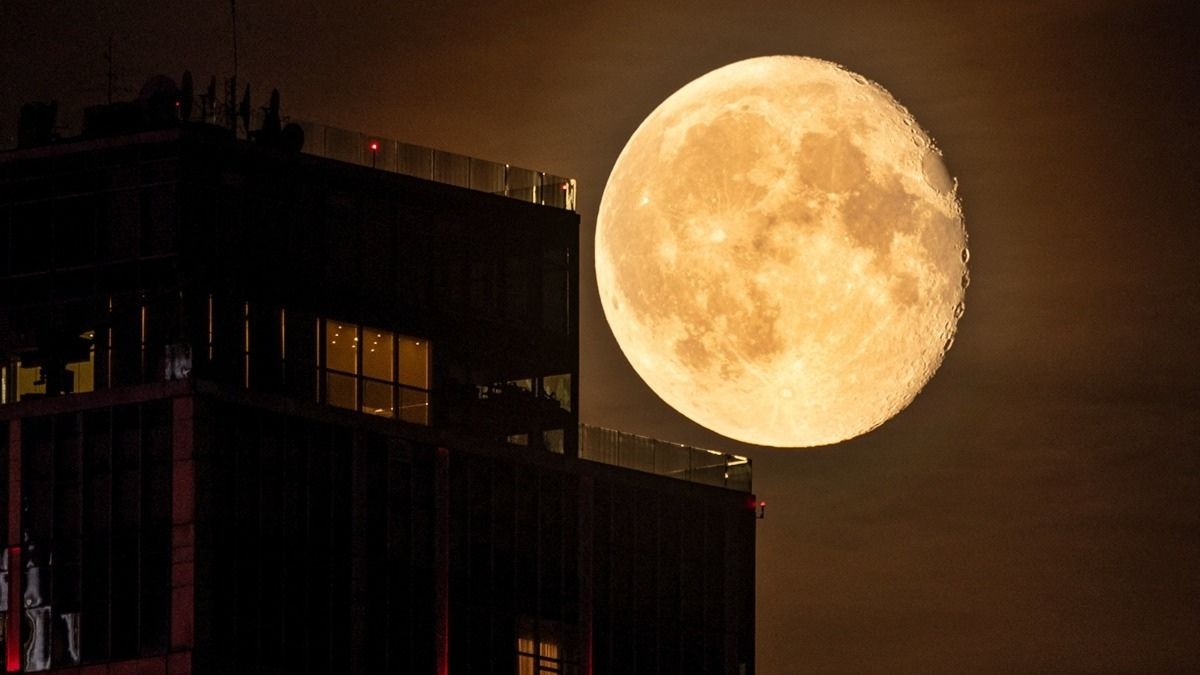
• The first supermoon of 2026 will be visible tonight, January 3
• The Moon will appear about 30 percent brighter and 14 percent larger than usual
• Skywatchers in India can spot it shortly after sunset
• The event marks the Wolf Moon at its closest point to Earth
Skygazers have a celestial treat lined up as the first supermoon of 2026 is set to illuminate the night sky today, January 3. The rare lunar event will make the full Moon appear noticeably larger, brighter, and warmer in colour, making it easily visible to the naked eye across India.
Astronomy observers say the supermoon will rise soon after sunset, offering ideal viewing conditions for those who look toward the eastern horizon in the evening.
What makes this Moon special
A supermoon occurs when a full Moon coincides with perigee, the point at which the Moon comes closest to Earth in its elliptical orbit.
During this event:
• The Moon appears around 14 percent larger
• Brightness increases by nearly 30 percent
• The Moon sits at a distance of about 362,641 km from Earth
Because of its proximity, the Moon often takes on a golden or orange-yellow hue, especially when it is low on the horizon.
When will the supermoon peak
According to astronomy tracking platforms, the supermoon will reach its maximum phase at 5:30 am EST, which corresponds to 4:00 pm IST on January 3.
In India, the best viewing window will be from moonrise in the evening until late night, when the Moon climbs higher and becomes clearer.
Why it is called the Wolf Moon
The January full Moon is traditionally known as the Wolf Moon, a name linked to ancient seasonal references. This year, the title carries added significance because it coincides with a supermoon, making it the first enhanced full Moon of the year.
Viewing tips for India
For the best experience:
• Choose an area with a clear view of the eastern sky
• Avoid heavy city lighting if possible
• Early evening offers the most dramatic colours near the horizon
No special equipment is required, though binoculars or a camera can enhance the view.