
Finger length may reveal hidden clue to human brain evolution, scientists say
New research links prenatal hormone exposure to newborn head size, offering a fresh perspective on how the human brain may have evolved. What happened: A...
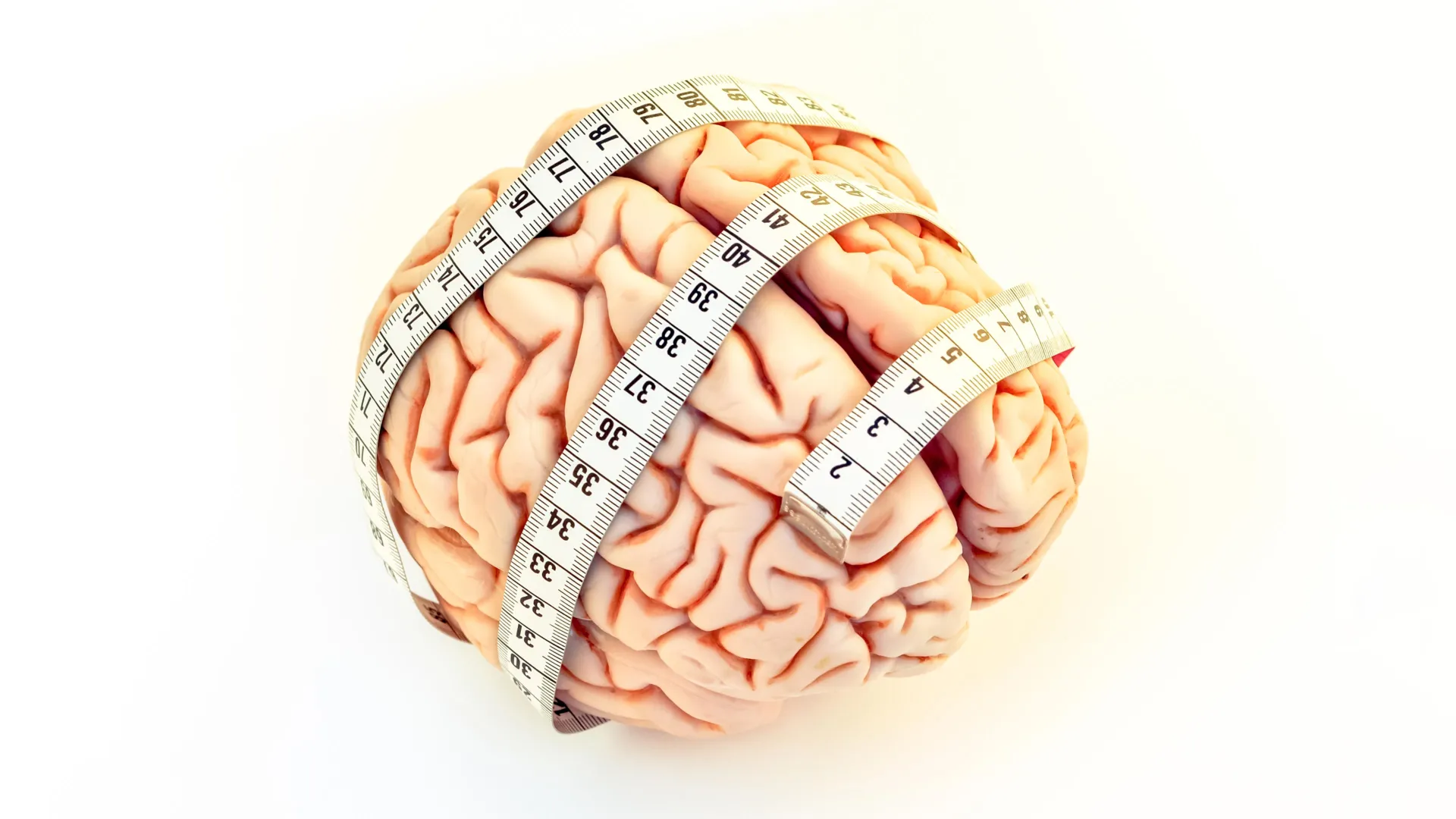
New research links prenatal hormone exposure to newborn head size, offering a fresh perspective on how the human brain may have evolved.
What happened:
-
A study analysing newborns found that higher prenatal oestrogen exposure — indicated by finger length ratios — was linked to larger head circumference in boys.
-
Researchers examined the 2D:4D digit ratio, comparing index and ring finger lengths, as a biological marker.
Why it matters now:
-
The findings support theories that hormonal shifts before birth may have influenced the growth of the human brain during evolution.
What changes for people:
-
While not a diagnostic tool, the research could reshape how scientists study early development, intelligence markers and evolutionary biology.
Who is affected:
-
Neuroscientists, evolutionary researchers, medical experts studying prenatal development, and future public health research into hormone exposure.
A simple body feature tied to deep evolutionary questions
For decades, scientists have linked human evolution to a steady increase in brain size. Now, researchers suggest that part of this growth may be traced back to hormone exposure before birth — and surprisingly, our fingers might hold clues.
The study focused on the 2D:4D ratio, a measurement comparing the length of the index finger to the ring finger. Previous research shows this ratio reflects how much oestrogen and testosterone a fetus is exposed to during early pregnancy.
Higher prenatal oestrogen levels often produce a longer index finger relative to the ring finger, creating a higher digit ratio.
Inside the research: newborns and head size
Led by Professor John Manning alongside anthropologists from Istanbul University, the team studied 225 newborns, including 100 boys and 125 girls. Researchers compared digit ratios with head circumference — a measurement widely linked to brain development.
Their analysis revealed a clear pattern among boys:
Higher 2D:4D ratios were associated with larger head sizes, suggesting prenatal hormones may influence early brain growth.
Interestingly, the same relationship was not observed in girls, raising new questions about sex-specific developmental pathways.
The findings were published in the journal Early Human Development.
The “estrogenized ape” hypothesis returns
The results lend support to an evolutionary idea sometimes called the “estrogenized ape” hypothesis. This theory proposes that as humans evolved, rising oestrogen influence helped reshape skeletal features and support increased brain size.
According to researchers, the expansion of brain capacity may have come with biological trade-offs. Studies show that higher digit ratios in males can be linked to risks such as cardiovascular issues, fertility challenges and certain mental health vulnerabilities.
Scientists believe that evolutionary pressure for larger brains may have balanced these costs, favouring cognitive advantages despite potential health risks.
What this means — and what it doesn’t
Experts stress that finger length alone cannot predict intelligence or health outcomes. Instead, the study adds another piece to a complex puzzle about how prenatal biology shapes human development.
The research highlights how early hormonal environments influence physical and neurological traits long before birth, potentially affecting everything from growth patterns to long-term health.
It also opens new discussions about how evolutionary biology intersects with modern medicine — especially in understanding developmental differences between males and females.
Wider implications for science and society
The digit ratio has been explored in past studies linked to sports performance, disease recovery and behavioural traits. However, researchers caution that correlations do not equal causation.
Still, the idea that a simple anatomical marker could reflect deeper biological processes has sparked interest across multiple fields, from anthropology to neuroscience.
As scientists gather more data, future studies may examine how prenatal hormone exposure interacts with genetics, environment and nutrition to shape human evolution.