
‘Farm Interests Protected’: Piyush Goyal Defends ‘Historic’ India-US Trade Deal, Says Dairy and Agriculture Safeguarded
Commerce Minister says India pushed aggressively for farm exports while shielding sensitive sectors as the new trade agreement opens major opportunities in the US market....
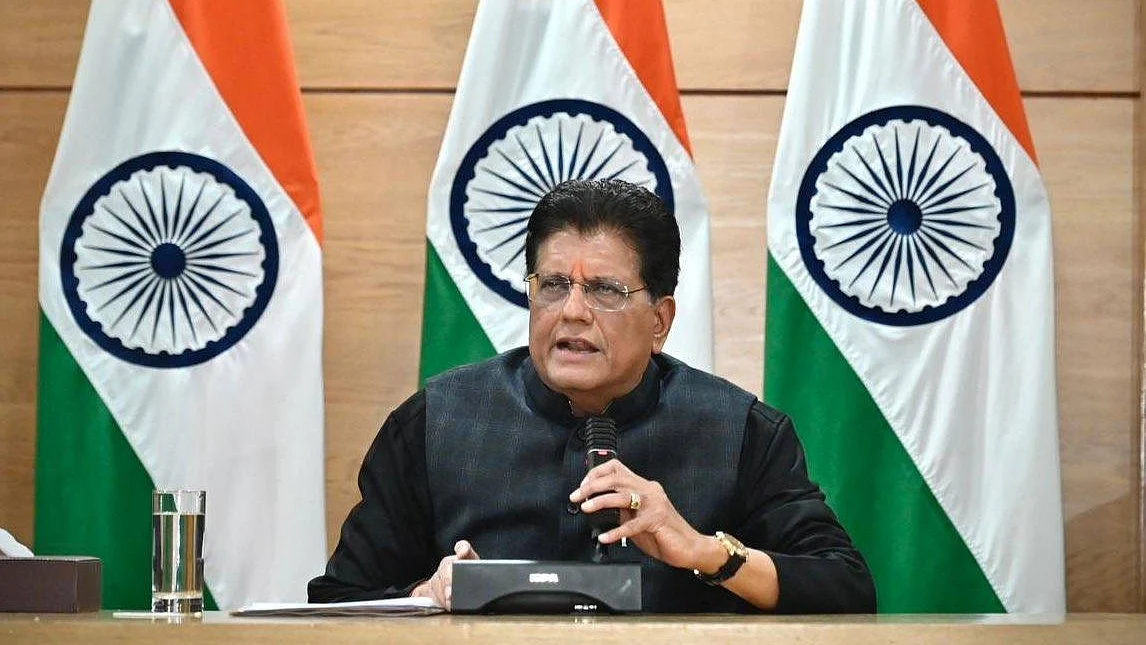
Commerce Minister says India pushed aggressively for farm exports while shielding sensitive sectors as the new trade agreement opens major opportunities in the US market.
What happened:
-
Commerce and Industry Minister Piyush Goyal said India negotiated strongly to expand agricultural exports while protecting dairy and key farm sectors in the India-US trade deal.
Why it matters now:
-
The agreement could reshape India’s export landscape, boost farmer access to the US market, and influence investment flows amid global trade realignments.
What changes for people:
-
Exporters of tea, spices, seafood, and fruits may gain easier entry into the US, while domestic farmers see safeguards against sudden import competition.
Who is affected:
-
Indian farmers, agri-exporters, seafood businesses, livestock industries, investors, and policymakers tracking India-US economic ties.
Govt calls trade deal a ‘win-win’ for farmers and exporters
Commerce Minister Piyush Goyal described the India-US trade agreement as a “historic” step that balances growth with protection of sensitive agricultural sectors.
He said India has around $55 billion in farm and fish exports compared to roughly $30 billion in imports, arguing that the country must take an “offensive” approach to expand overseas markets while shielding vulnerable domestic industries.
According to the minister, core sectors such as dairy, rice, wheat, sugar, poultry, and genetically modified crops remain protected under the agreement.
Zero tariffs open doors for Indian agricultural products
One of the biggest gains highlighted by the government is expanded access to the US market for Indian farm goods.
Products including tea, coffee, spices, bananas, mangoes, coconut, papaya, and kiwi are expected to benefit from reduced or zero reciprocal tariffs, while seafood exporters may see stronger competitiveness with tariffs cut to about 18%.
Officials say the deal aims to create new export opportunities without exposing domestic farmers to sudden import shocks.
Controversy over feed imports and non-tariff barriers
The agreement includes a limited window allowing imports of distillers dried grains with solubles (DDGS), a livestock feed ingredient. Goyal dismissed concerns from farmer groups, saying the quota is small — around five lakh tonnes compared to India’s animal feed consumption of nearly 500 lakh tonnes.
He argued that demand for high-protein feed is rising due to a growing livestock population and shrinking arable land, making selective imports necessary.
The minister also said India and the US agreed to review certain trade frictions to smoothen commerce, but denied the presence of major non-tariff barriers.
Farmers’ protests and political pressure
Some farmer organisations have announced protests, fearing the deal could harm domestic agriculture. Goyal responded that most sensitive areas have been excluded and insisted that farmer interests remain secure.
He said India has historically imported certain items such as soybean oil and tree nuts, adding that increased competition can improve quality and pricing for consumers.
Analysts say the success of the deal may depend on how well the government communicates benefits to rural communities.
Trade diplomacy and strategic ties with the US
Goyal framed the agreement as part of India’s broader push to expand global trade partnerships, noting that negotiations with the EU and US were concluded within days of each other.
He said stronger economic ties between the world’s largest democracies could attract technology, investment, and supply-chain diversification — key goals as India targets developed-nation status by 2047.
The minister also highlighted cooperation on technology imports such as AI chips and data-centre equipment, calling them essential for India’s digital growth.
Multiple perspectives: growth opportunity or economic risk?
Supporters believe the deal strengthens India’s export competitiveness and opens massive opportunities in the US market. Business groups say predictable tariffs could encourage new investments and improve supply-chain planning.
Critics, however, warn that even limited agricultural imports could affect local prices if not carefully managed. Others question long-term fiscal implications and whether geopolitical factors — including energy trade and global alliances — influenced negotiations.
Economists say the real test will be whether exporters can scale quickly enough to take advantage of improved market access.
Economic and geopolitical impact
The agreement comes at a time when global supply chains are shifting and countries are seeking trusted trading partners. Stronger India-US trade ties could reshape regional economic dynamics, influence technology flows, and boost investor confidence.
If exports rise significantly, the deal may support rural incomes and manufacturing growth, but its success will depend on implementation and global demand trends.