
External aid for Bangladesh halved, no Chabahar allocation in Budget 2026–27
What happened: India has cut external aid to Bangladesh by half and allocated zero funds to Iran’s Chabahar port in the Union Budget 2026–27. Why...
-
What happened: India has cut external aid to Bangladesh by half and allocated zero funds to Iran’s Chabahar port in the Union Budget 2026–27.
-
Why it matters: The changes signal a strategic recalibration of India’s neighbourhood policy amid diplomatic strains and US sanctions.
-
What changes for people: Development projects in Bangladesh and Chabahar-linked connectivity plans may slow, while Bhutan continues to receive strong support.
-
Who is affected: Bangladesh, Iran, Bhutan, regional connectivity initiatives, and India’s foreign policy establishment.
India’s Union Budget 2026–27 offers a clear glimpse into shifting regional priorities. In a sharp signal to neighbours and partners alike, New Delhi has halved development assistance to Bangladesh and dropped funding for the strategically significant Chabahar port in Iran, even as it deepened its commitment to Bhutan.
What happened
According to Budget 2026–27 documents, India has made three notable moves in its external aid portfolio:
-
Bangladesh: Allocation slashed to ₹60 crore, nearly half of last year’s level
-
Iran (Chabahar port): Zero allocation for development projects
-
Bhutan: Remains the largest recipient with ₹2,288 crore
The aid to Bhutan is marginally higher than the ₹2,150 crore allocated in 2025–26.
Bangladesh aid cut: A diplomatic signal
The sharp reduction in assistance to Bangladesh reflects current strains in bilateral ties, officials indicate.
-
India’s aid traditionally supports infrastructure and development projects
-
The cut comes amid political and diplomatic friction between New Delhi and Dhaka
-
While aid has not been withdrawn entirely, the reduction signals cooling engagement
Budgets often speak more clearly than statements—and this cut has been widely read as political.
No funds for Chabahar: Sanctions shadow returns
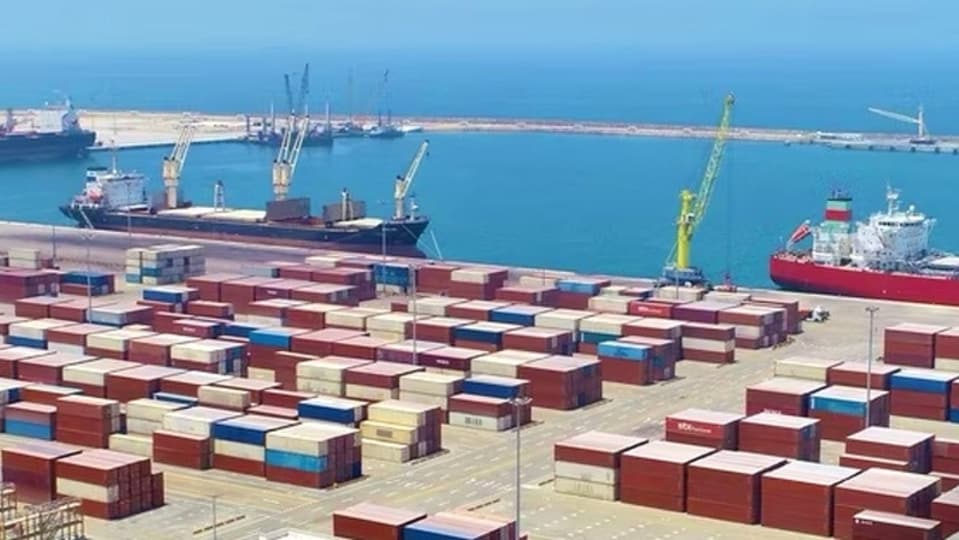
The complete removal of funding for the Chabahar port in Iran marks a significant shift.
-
Chabahar has long been seen as a strategic gateway to Afghanistan and Central Asia
-
The zero allocation comes against the backdrop of US sanctions on Iran
-
It suggests India is exercising financial and diplomatic caution despite the port’s long-term strategic value
Connectivity ambitions appear to have taken a back seat to geopolitical risk management.
Bhutan stays on top
In contrast, Bhutan once again emerged as the largest beneficiary of India’s external aid.
-
Allocation: ₹2,288 crore
-
Focus areas include hydropower, infrastructure, and capacity building
-
Reinforces Bhutan’s status as India’s closest development partner
The marginal increase underscores policy continuity in India–Bhutan relations, insulated from wider regional turbulence.
Why it matters now
India’s external aid budget is increasingly being used as a strategic policy tool rather than a purely developmental one.
-
Signals displeasure or caution without overt confrontation
-
Aligns spending with foreign policy realities and sanctions regimes
-
Reinforces trusted partnerships while paring exposure in sensitive theatres
In effect, development spending is being aligned with diplomacy.
Bottom line
The Union Budget 2026–27 redraws India’s external aid map. With Bangladesh’s allocation cut, Chabahar funding dropped to zero, and Bhutan firmly backed, New Delhi has sent a quiet but clear message: foreign assistance will now closely track strategic trust, stability, and global pressures.