
ED Raids Pharma Firm, Tamil Nadu Drug Officials in Coldrif Cough Syrup Deaths Probe
The Enforcement Directorate’s money-laundering probe into the Coldrif cough syrup tragedy exposes a deep nexus of corruption, negligence, and regulatory failure within Tamil Nadu’s drug...
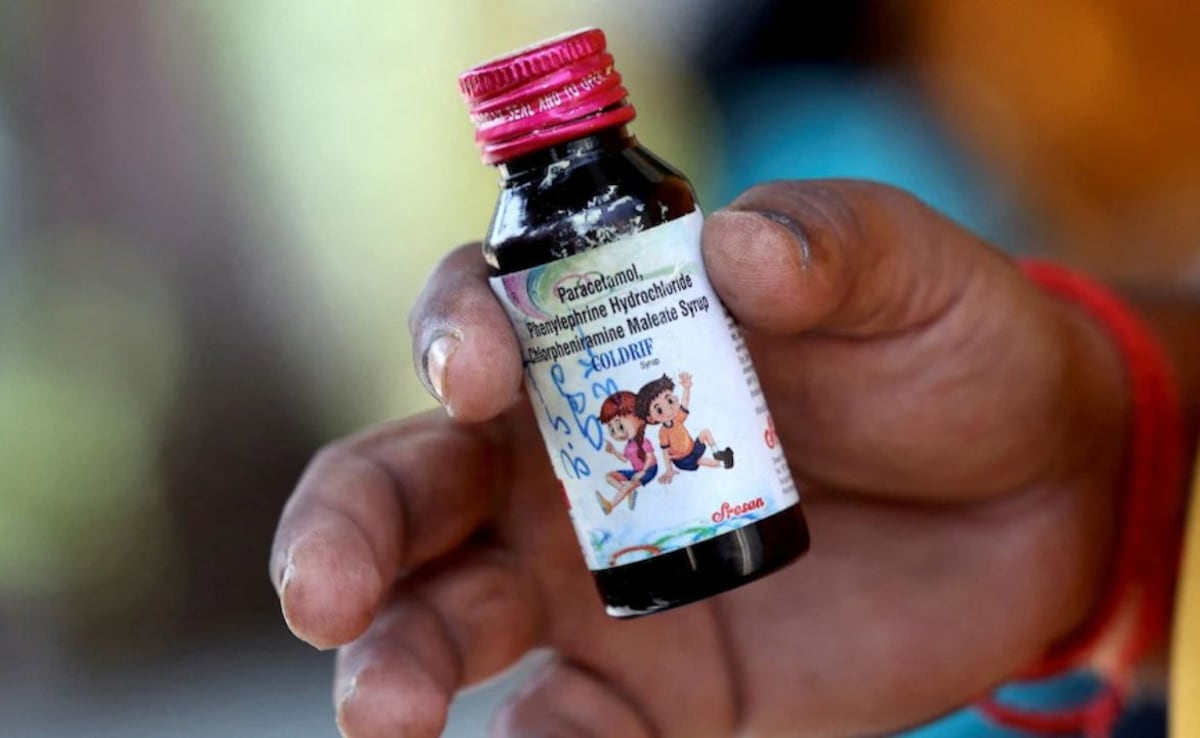
The Enforcement Directorate’s money-laundering probe into the Coldrif cough syrup tragedy exposes a deep nexus of corruption, negligence, and regulatory failure within Tamil Nadu’s drug administration.
The Enforcement Directorate (ED) on Monday conducted extensive searches across Chennai and Kanchipuram as part of its probe into the Coldrif cough syrup tragedy, which has claimed at least 22 young lives nationwide. The raids, carried out under the Prevention of Money Laundering Act (PMLA), target alleged corruption and financial irregularities linked to the production and distribution of the toxic medicine by Tamil Nadu–based Sreesan Pharma.
Raids Target Pharma Owner and Drug Regulators
According to ED officials, teams searched the home of Sreesan Pharma owner G. Ranganathan in Chennai’s Kodambakkam area, as well as the company’s manufacturing unit and offices in Kanchipuram district. Simultaneously, the residences of senior officials from the Tamil Nadu Food and Drug Control Department — including Director Deepa and Joint Director Karthikeyan — were also raided.
Both officials were recently suspended for suspected negligence and possible collusion in granting and renewing manufacturing licences to Sreesan Pharma despite multiple red flags. ED sources told reporters that the agency is investigating “potential financial linkages” between the pharmaceutical company and the suspended regulators.
The searches are also focused on tracing illegal fund transfers, proceeds from the sale of the adulterated medicine, and possible kickbacks linked to official approvals and inspections that never took place.
A Preventable Tragedy
The Coldrif syrup, manufactured at Sreesan Pharma’s Sunguvarchatram facility, was distributed to several Indian states earlier this year. Laboratory analyses later confirmed the presence of diethylene glycol, a toxic solvent commonly used in industrial antifreeze. Consumption of the tainted batch — SR-13 (manufactured May 2025, expiry April 2027) — led to acute renal failure in children in Madhya Pradesh’s Chhindwara district, killing 21 children initially, with one more death reported later.
Medical toxicologists have warned that even small amounts of diethylene glycol can be fatal, especially for infants. “This compound has no place in human medicine — its use indicates serious lapses in manufacturing oversight,” said a senior pharmacologist from AIIMS Bhopal, who spoke on condition of anonymity.
Arrests and Expanding Investigation
The Madhya Pradesh Police first registered a case against Sreesan Pharma under sections related to adulteration and culpable homicide. The firm’s proprietor, Ranganathan, was arrested on October 9, 2025, and later handed over to Tamil Nadu authorities for further questioning.
Meanwhile, the Tamil Nadu Anti-Corruption Bureau separately arrested the in-charge Director of the state’s Drug Control Department after he was allegedly caught accepting a bribe in an unrelated case. The FIR against him, along with those filed in Madhya Pradesh, forms the legal foundation for the ED’s money-laundering probe, since both contain “scheduled offences” under the PMLA.
Systemic Failure in Oversight
Documents reviewed by the Central Drugs Standard Control Organisation (CDSCO) reveal that Sreesan Pharma had been operating with outdated infrastructure since 2011, despite multiple compliance warnings. The company reportedly continued to produce formulations without adequate quality checks for years, while inspections by state drug controllers were either skipped or poorly conducted.
A senior CDSCO official told The Hindu that the tragedy underscores “the urgent need for stronger oversight and accountability in India’s pharmaceutical licensing system.”
Following the revelations, Tamil Nadu authorities suspended two drug inspectors for failing to conduct mandatory checks at the facility for more than two years.
Political and Administrative Fallout
Reacting to the findings, Madhya Pradesh Chief Minister Mohan Yadav ordered a statewide ban on all Sreesan Pharma products, while the Tamil Nadu government revoked the firm’s manufacturing licence. The Health Ministry has also initiated an independent audit of all small-scale drug manufacturers operating under state jurisdiction.
Opposition parties in Tamil Nadu have demanded an inquiry into alleged political protection extended to erring officials and have called for a comprehensive restructuring of the state’s drug regulatory framework.
Why This Matters
The Coldrif case is the latest in a series of medicine adulteration tragedies that have damaged India’s reputation as a global supplier of affordable pharmaceuticals. Similar incidents in Gambia and Uzbekistan in 2022 and 2023 prompted international scrutiny of Indian-made syrups. Public health experts warn that without systemic reform, such tragedies could undermine trust in the country’s $50-billion drug export industry and endanger domestic consumers alike.
As ED investigators pursue the financial trail behind the Coldrif disaster, the probe is increasingly seen not merely as a corporate crime investigation — but as a test of India’s ability to enforce pharmaceutical accountability and protect its most vulnerable citizens.