
Ebola: US Funnels Travelers From DRC, Uganda, S. Sudan Through Dulles Airport
US mandates Ebola screenings at Dulles for travelers from affected African nations.
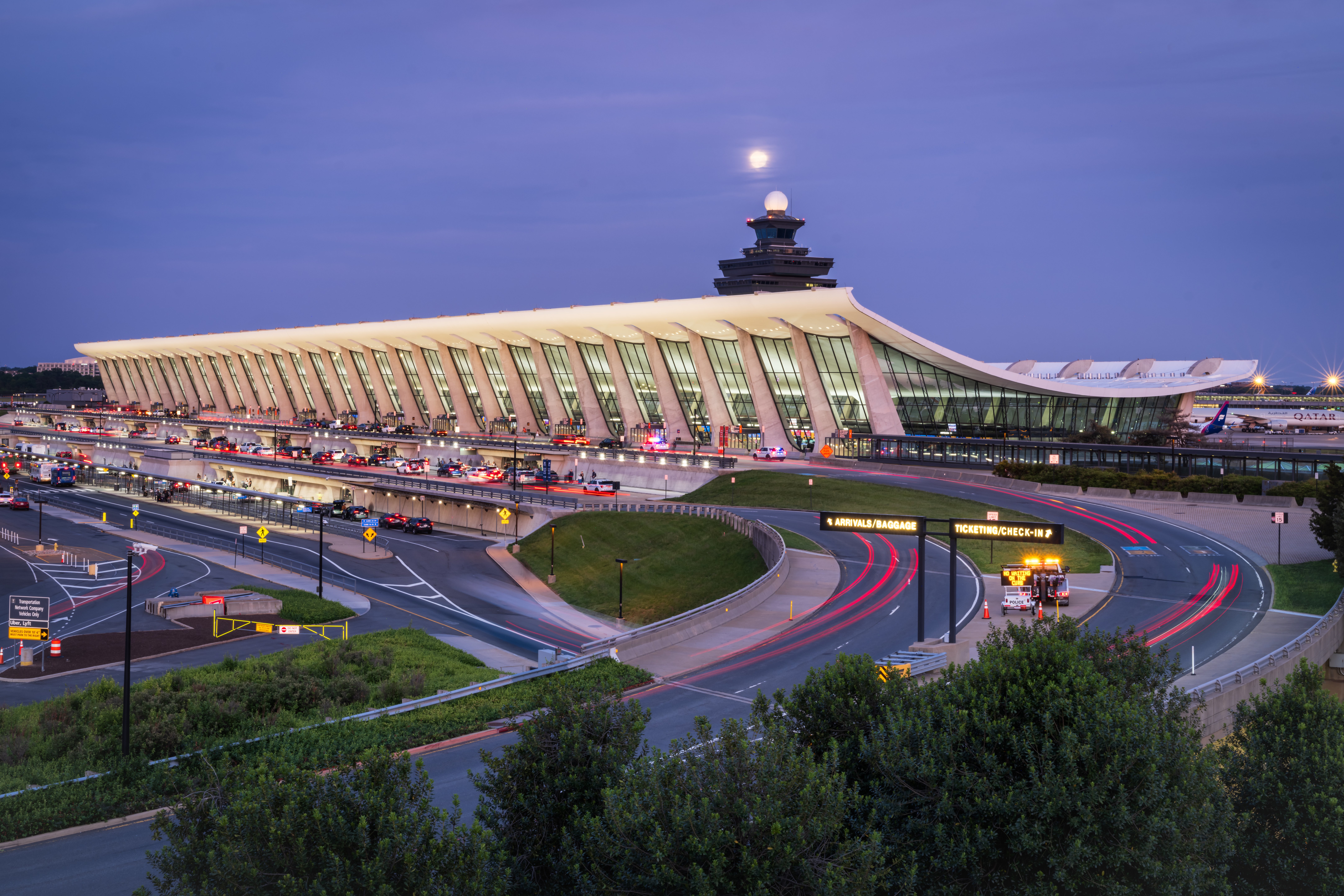
Top Summary
- What happened: The US is directing Americans returning from the Democratic Republic of Congo (DRC), Uganda, and South Sudan to enter the country only through Washington D.C.'s Dulles International Airport for enhanced Ebola screening.
- Why it matters: This measure aims to prevent the spread of the Bundibugyo strain of Ebola, responsible for a growing outbreak in the DRC, into the United States.
- What changes for people: US passport holders who have been in the affected countries within the past three weeks will be subject to mandatory temperature checks, travel history review, and symptom assessment at Dulles.
- Who is affected: American citizens returning from DRC, Uganda, and South Sudan. Non-citizens who have recently traveled to these countries are banned from entering the US.
Dulles Airport Screening
The State Department announced that Americans who have been in the Democratic Republic of the Congo, Uganda, or South Sudan within the last three weeks must arrive in the US via Dulles International Airport.
Enhanced screening measures for the Ebola virus are being implemented by the U.S. Centers for Disease Control and Prevention (CDC) and Customs and Border Protection.
Ebola Outbreak Details
The DRC Ebola outbreak has resulted in 139 deaths and infected as many as 600 people. There are 160 suspected deaths out of 670 suspected cases, and 61 of the cases have been confirmed, according to DRC health ministry data.
This week, the U.S. banned non-citizens who had traveled to those countries in recent weeks from entering the country.
Experts Predict Bottlenecks
Funneling travelers to one airport is a change from the 2014-2016 West Africa outbreak response, when the U.S. screened at five international airports.
Infectious disease experts predict bottlenecks and logistical challenges for travelers.
Secretary of State Marco Rubio said Thursday the diversion was meant to "protect the American people." "Objective number one is to make sure that Ebola never reaches the United States. Objective number two is do what we can to help the people of DRC and neighboring countries so it doesn't spread," he said.
Screening Process
The policy applies to travelers with U.S. passports.
- Travelers will be escorted to a screening area.
- CDC staff will take their temperature.
- Travelers will provide travel history, symptoms, and contact information.
Those with no symptoms can continue their travel. Sick travelers suspected of Ebola will be transferred to a hospital.
Travel Ban Concerns
Dr. Jeanne Marrazzo, chief executive of the Infectious Diseases Society of America, raised concerns about the travel ban.
"Policies that single out individuals not for any scientific or medical reason, but because of their citizenship, won't prevent outbreaks from spreading," she said.
Ugandan Information Minister Chris Baryomunsi told Reuters that the U.S. was "overreacting" by banning most travelers from Uganda, along with DRC and South Sudan.
What to Watch Next
Future developments will likely focus on the effectiveness of the Dulles screening process and whether additional airports will be added. The international community will also be watching to see if the travel ban is adjusted based on the evolving situation in the affected African countries.