
Earth Glows in Stunning Colours in New Image from ISS — Here’s the Science Behind It
A rare photograph shared by NASA astronaut Don Pettit reveals Earth wrapped in vivid layers of yellow, green and red light, offering a spectacular view...
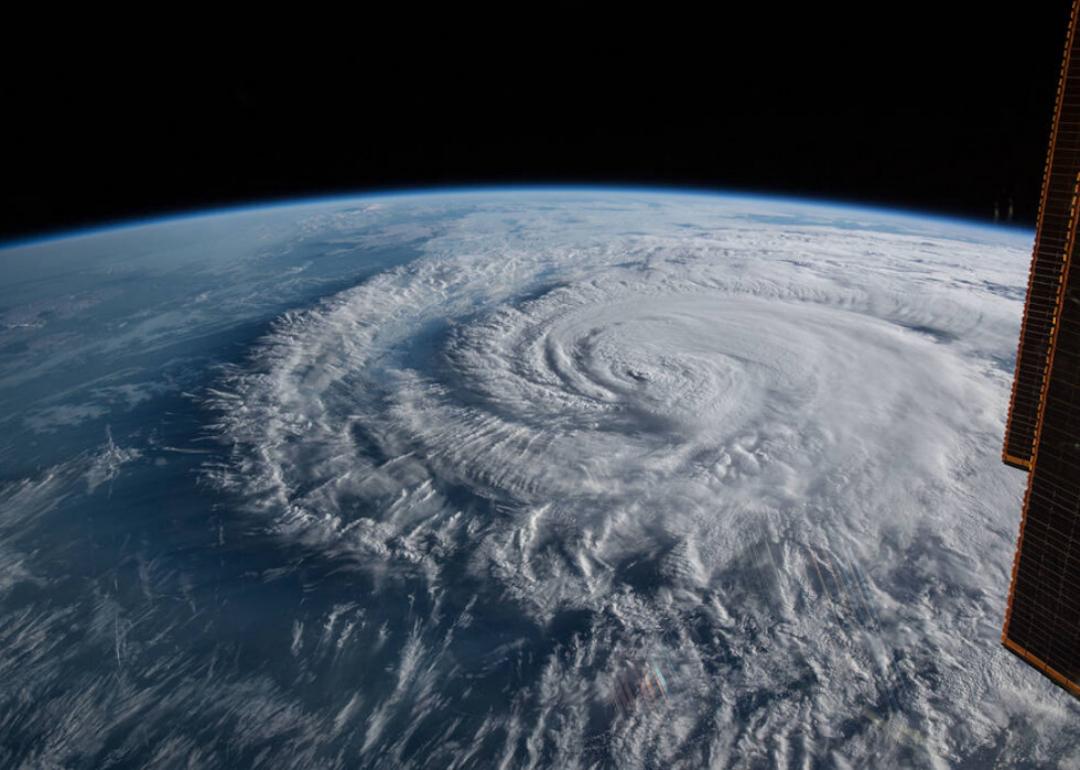
A rare photograph shared by NASA astronaut Don Pettit reveals Earth wrapped in vivid layers of yellow, green and red light, offering a spectacular view of the planet’s upper atmosphere and the natural processes that illuminate it.
Key Takeaway
A dazzling photograph from the International Space Station (ISS) shows Earth glowing in multicoloured layers caused by a phenomenon known as airglow—a natural light emission from the planet’s atmosphere. The image, shared by astronaut Don Pettit, highlights the complex chemistry surrounding Earth and underscores the ISS’s critical role in Earth observation and climate monitoring.
A Window into Earth’s Glowing Atmosphere
A striking photograph captured from the International Space Station has once again showcased just how vibrant Earth can appear from orbit. The image, posted by NASA astronaut Don Pettit, shows the planet surrounded by an iridescent yellow band, with additional hues of green and red streaking across the edge of the atmosphere. While the exact time of capture was not disclosed, the visual impact has captivated viewers worldwide.
NASA explained that the multicoloured glow results from airglow, a natural emission of light caused by chemical interactions in the upper atmosphere. Unlike auroras—which are triggered by high-energy solar particles—airglow is produced continuously as molecules absorb and release energy during nighttime and daytime cycles.
According to atmospheric scientists, the colours in the image correspond to specific chemical reactions:
-
Green light originates from excited atomic oxygen.
-
Orange hues come from hydroxyl compounds.
-
Red light is produced by higher-altitude airglow influenced by solar activity.
These layers usually remain invisible from the ground but become visible from space, forming a glowing halo around Earth.
Why Airglow Matters
While airglow is visually stunning, researchers emphasize that it is much more than a beautiful light show. The phenomenon helps scientists analyse temperature, density, and chemical composition in the upper atmosphere—critical elements for understanding weather patterns, satellite operations, and long-term climate behavior.
Dr. Michelle Thaller, a NASA science communicator (speaking in a previous interview about airglow phenomena), has noted that such images help experts understand how energy moves through Earth’s atmosphere and how solar activity influences our planet.
ISS: A Critical Watchtower in Orbit
The ISS, orbiting roughly 400 km above Earth, serves as a unique platform for continuous Earth observation. The multinational project—led by NASA, Roscosmos, ESA, JAXA, and CSA—provides scientists with real-time data on environmental and atmospheric changes.
Using a combination of onboard instruments and astronaut photography, the ISS contributes to:
-
Climate monitoring, including tracking deforestation, sea-level change, and shifting weather patterns.
-
Disaster response, with images supporting emergency agencies during storms, wildfires, and floods.
-
Space-based research, particularly in medical science. Experiments conducted in microgravity have advanced understanding of bone density loss, muscle atrophy, and cancer cell behavior, potentially influencing future medical breakthroughs.
NASA officials frequently highlight that these observations offer insights that ground-based instruments cannot capture.
Social Media Reacts with Wonder
The latest image quickly gained traction online, with users marvelling at Earth's radiant glow. One viewer wrote that such displays make the planet feel "utterly unique in the universe." Another user poetically wondered whether Earth itself is a lone traveler “drifting through the cosmos wrapped in its own light.”