
Early Trial Shows Promising Progress Toward First Effective Nipah Virus Vaccine
Phase 1 study finds experimental vaccine safe, strongly immunogenic; experts call it a breakthrough for outbreak preparedness A new vaccine candidate against the deadly Nipah...
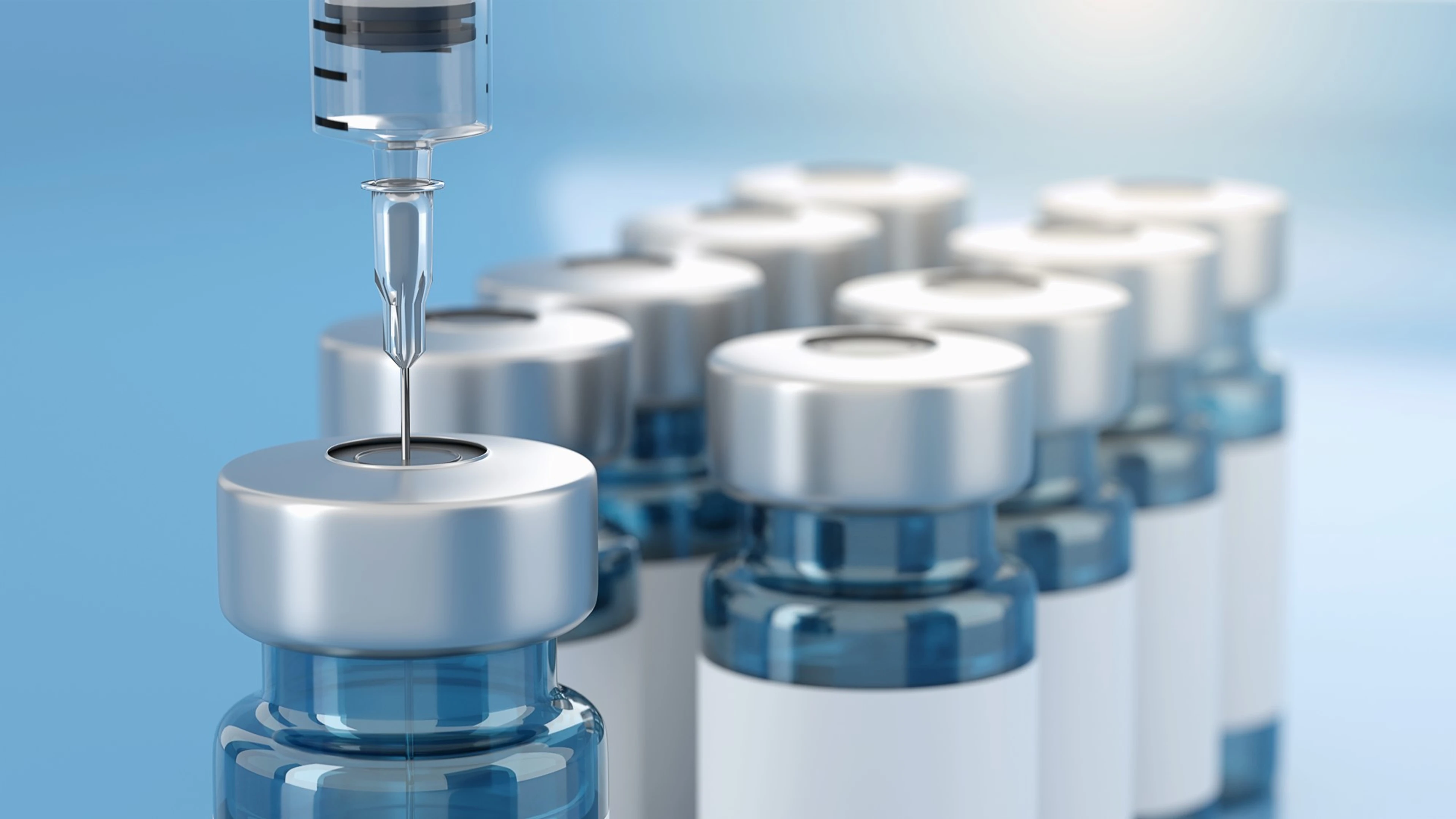
Phase 1 study finds experimental vaccine safe, strongly immunogenic; experts call it a breakthrough for outbreak preparedness
A new vaccine candidate against the deadly Nipah virus has demonstrated encouraging safety and immune-response results in a Phase 1 clinical trial, offering fresh hope for controlling future outbreaks of the high-fatality disease. The findings, published in the medical journal The Lancet, mark an important early step toward developing the world’s first approved Nipah virus vaccine.
What the Trial Found
The Phase 1 study, led by researchers in the United States, evaluated an experimental vaccine known as HeV-sG-V. The trial enrolled 192 healthy adults aged 18 to 49, who were randomly assigned to receive one of three different dose levels or a placebo.
According to the researchers, all tested doses were safe and well tolerated, with no serious adverse events reported. The most common side effect was mild to moderate pain at the injection site, a typical reaction seen with many vaccines.
Crucially, the vaccine triggered a measurable immune response. Antibodies against the Nipah virus were detected within one month of vaccination, and the response was significantly stronger in participants who received two doses rather than one.
Two Doses Show Strongest Protection
The most robust immune responses were observed in participants who received two doses of 100 micrograms, administered 28 days apart. Researchers noted a sharp rise in neutralising antibodies as early as seven days after the second dose, suggesting the vaccine can rapidly boost immunity—an important feature during outbreak situations.
In contrast, a single dose did not generate sufficiently strong or sustained immune responses, indicating that a two-dose schedule would likely be required for effective protection.
Why Nipah Virus Is a Global Concern
The Nipah virus is a zoonotic pathogen, meaning it can spread from animals to humans, and can also transmit between people. First identified during an outbreak in Malaysia in 1999, the virus has since caused repeated outbreaks in South and Southeast Asia, including India and Bangladesh.
Infected individuals can develop acute encephalitis, severe respiratory illness, and other life-threatening complications. Mortality rates are alarmingly high, ranging from 40% to 75%, depending on the outbreak. Due to its lethality and the absence of approved treatments or vaccines, the World Health Organization (WHO) has listed Nipah virus as a priority pathogen requiring urgent research attention.
Potential for Outbreak Control
Researchers from Cincinnati Children’s Hospital Medical Center, who were involved in the study, said the speed and durability of the immune response suggest the vaccine could be useful not only for prevention but also for reactive outbreak control.
In their assessment, the rapid antibody generation within 30 days—combined with sustained immunity following two doses—points to the vaccine’s potential role in emergency vaccination strategies during outbreaks.
Indian Experts Welcome the Findings
Scientists from the Indian Council of Medical Research–National Institute of Virology (ICMR-NIV) in Uttar Pradesh described the trial results as a major milestone in Nipah virus research. They noted that the findings represent one of the most advanced clinical developments so far in the global effort to counter the virus.
Given India’s experience with recurring Nipah outbreaks, particularly in Kerala, experts say the progress is especially significant for national and regional public health preparedness.
What Comes Next
While the Phase 1 results establish early safety and immunogenicity, researchers caution that larger Phase 2 and Phase 3 trials will be necessary to confirm the vaccine’s effectiveness across broader populations and to determine how well it prevents real-world infections.
Still, public health experts agree that the success of this early trial is a critical step forward. With no licensed Nipah vaccines currently available, the development of HeV-sG-V could eventually transform how countries prepare for and respond to one of the world’s most dangerous emerging infectious diseases.