
Early test for Alzheimer’s shows promise in India with new blood biomarker and imaging approach
What happened: A diagnostic chain in India unveiled a blood-based biomarker test paired with PET and MRI imaging for early Alzheimer’s detection Why it matters...
-
What happened: A diagnostic chain in India unveiled a blood-based biomarker test paired with PET and MRI imaging for early Alzheimer’s detection
-
Why it matters now: Moves diagnosis from symptom-based assessment to a biology-first model, improving chances of early intervention
-
What changes for people: A simple blood test may soon help spot disease activity before severe memory decline
-
Who is affected: Millions of older Indians, caregivers, neurologists and healthcare systems facing rising dementia cases
A new diagnostic pathway combining an FDA-approved blood biomarker test with advanced brain imaging could significantly speed up early detection of Alzheimer’s disease in India, according to leading clinicians involved in the rollout. The approach was presented during a scientific symposium in Gurugram on Sunday, marking the first structured attempt to align Indian Alzheimer’s diagnostics with evolving global standards.
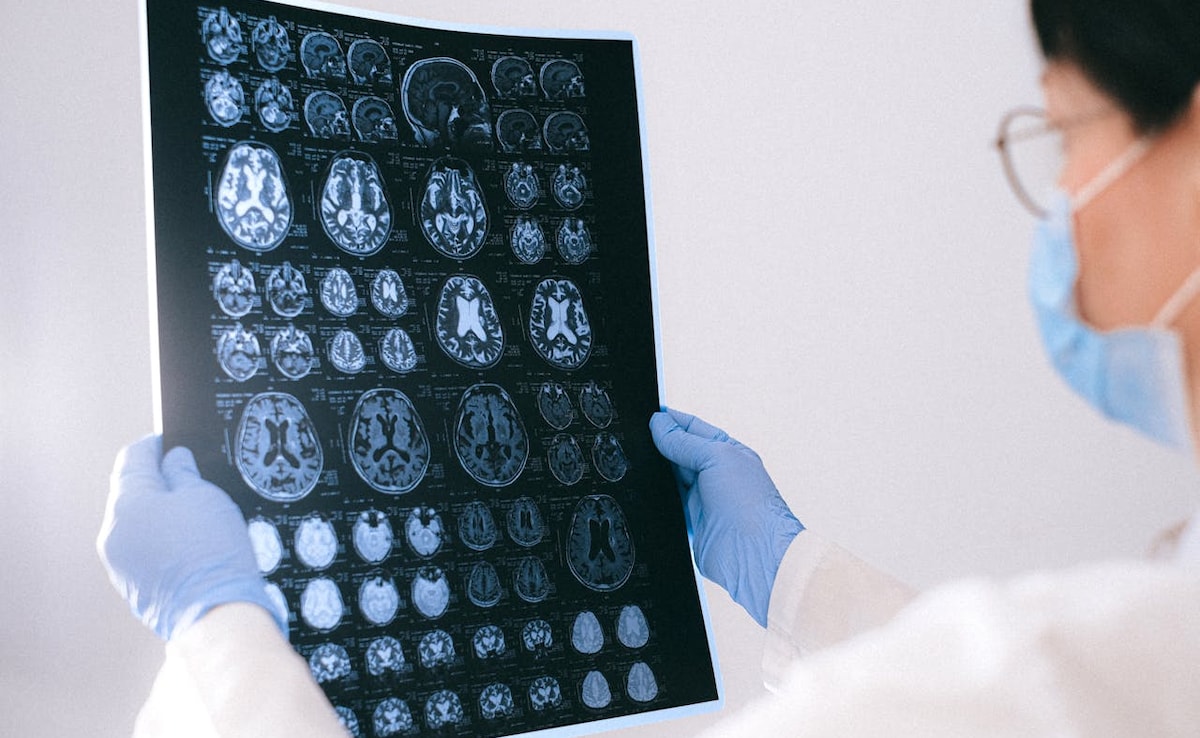
The initiative is led by Mahajan Imaging and Labs, which has integrated Artificial Intelligence, PET imaging and MRI with the pTAU/Aβ1-42 blood biomarker test. The marker has regulatory approval from both the United States Food and Drug Administration (FDA) and India’s Central Drugs Standard Control Organisation (CDSCO).
A shift from symptoms to biology
For decades, Alzheimer’s diagnosis in India has relied on tracking noticeable memory decline and other cognitive symptoms. By that point, disease activity is often already advanced.
Globally, clinicians are moving toward amyloid PET scans and cerebrospinal fluid (CSF) analysis to confirm biological changes. However, limited PET availability and high costs in India have slowed adoption.
Dr Harsh Mahajan, founder and chairman of the diagnostic chain, said many neurologists remain dependent on symptom-based evaluation because amyloid PET can cost up to Rs 2 lakh per scan, limiting patient access.
He added that combining blood biomarkers with 18F-FDG PET could be a “game-changer” for both early detection and monitoring treatment response as newer therapies emerge.
Less invasive and more accessible
Clinicians highlight that until recently, biomarker confirmation required CSF taps, which are invasive and not widely accepted by patients. The new approach enables the same biological insight via a routine blood draw.
Dr Shelly Mahajan, lab director at the chain, said blood biomarkers help identify disease activity at an earlier stage, giving families more time to plan care, treatment and financial decisions. She stressed that wider availability in India removes a key access barrier.
Dr M V Padma, chairperson of Neurology at Paras Health Gurugram, said integrating blood tests with MRI and PET-CT supports timely referral, structured care planning and strengthens health system readiness as dementia cases rise.
A growing health challenge
Recent estimates indicate that over 8.8 million Indians aged 60 and above are currently living with dementia, with Alzheimer’s accounting for the majority of cases. That figure is expected to nearly double within a decade, placing stress on families, caregivers and public health infrastructure.
Neurologists say earlier detection supports safer environments, better long-term care planning and reduces emergency hospitalizations linked to late-stage complications.
Toward national guidelines
Findings from the Gurugram symposium will be sent to the Neurological Society of India to support the development of future diagnostic and treatment guidelines. Experts say the model could have implications for other Asian and low-to-middle-income settings where PET access remains limited.
Alzheimer’s is not currently curable, but early detection can help patients qualify for symptomatic treatments, participate in therapy trials and adopt behavioral interventions that may slow functional decline.