
District Magistrate Emphasizes Strengthening Maternal and Child Health Services in Balrampur
Balrampur District Magistrate Dr. Vipin Kumar Jain stresses 100% immunization coverage and improved maternal/child health services.
बलरामपुर उत्तर प्रदेश | अनिरुद्ध प्रताप शुक्ल
District Magistrate Chairs Workshop on Maternal and Child Health
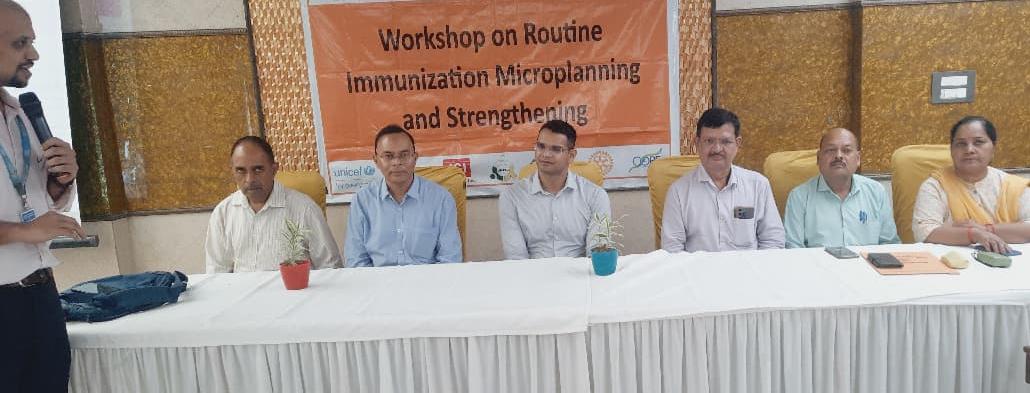
The Cliff News | Balrampur | September 24, 2026 A significant workshop was organized in Balrampur district to further enhance the effectiveness of maternal and child health services and achieve the target of 100% regular immunization. The one-day workshop, held at Hotel Aditya Inn, was chaired by District Magistrate Dr. Vipin Kumar Jain, and attended by medical officers and senior health department officials from the district.
Addressing the workshop, District Magistrate Dr. Vipin Kumar Jain clarified that maternal and child health is among the highest priorities of the district administration. He emphasized that it is the paramount responsibility of the health department to ensure seamless access to immunization services for every eligible child and pregnant woman.
He instructed the health department to work on the ground with an effective strategy to ensure no eligible beneficiary is left out of immunization. He stated that immunization is an essential process for the healthy future of children, and any negligence in this regard will not be tolerated.
Focus on Effective Micro-planning for Routine Immunization
The District Magistrate specifically stressed the importance of micro-planning for the routine immunization program. He stated that an updated list of beneficiaries should be prepared at the level of each gram panchayat and health sub-centre. Immunization sessions should be organized based on the due list.
He specifically directed the medical officers to identify and immediately cover children who have missed or are partially vaccinated on a priority basis. He also mentioned that micro-plans should specifically include vulnerable communities and geographically inaccessible areas where access to health services is generally limited. This will ensure that no child remains outside the ambit of immunization.
The District Magistrate also emphasized the need for in-depth analysis of current data when creating micro-plans. Reasons why children miss vaccinations, such as lack of awareness, socio-cultural barriers, or unavailability of health workers, should be identified. Concrete steps should be taken to address these reasons. He added that each session should be regularly reviewed to assess its effectiveness and make improvements as needed.
Health Department Instructed to Identify Missed Children and Pregnant Women
The District Magistrate specifically instructed the health department to launch an intensive campaign to identify missed children and pregnant women. A detailed survey should be conducted in collaboration with ASHA and Anganwadi workers. This survey will prepare a list of all beneficiaries who have been deprived of regular immunization or necessary health check-ups for any reason.
After identifying these beneficiaries, they should be connected with health services as soon as possible. He stated that complete immunization for every child is crucial for their life's protection, and regular health check-ups for pregnant women help reduce maternal mortality rates.
He further said that during this identification campaign, health workers should establish communication with beneficiaries and provide them with detailed information about the importance of immunization and other health services. Any doubts or concerns of beneficiaries should be addressed. To ensure no beneficiary is missed, a control room can be established at the block and district level to monitor the progress of this campaign.
Discussion on Making Village Health Nutrition Day Sessions More Result-Oriented
A call was made to make Village Health, Sanitation, and Nutrition Day (VHNSD) sessions, considered a crucial base for health services in rural areas, more effective. The District Magistrate said that the objective of these sessions should not only be child immunization but also providing antenatal check-ups and nutritional counseling for pregnant women.
He emphasized establishing better coordination between ASHA and Anganwadi workers. He stated that ASHA workers should timely inform beneficiaries about the importance of immunization, thereby increasing their attendance at sessions. He also mentioned that the participation of local communities should be encouraged to make VHNSD sessions more comprehensive and beneficial.
Information should also be provided in these sessions on topics such as nutritional awareness, child development, sanitation, and prevention of infectious diseases. Iron and calcium tablets should be distributed for pregnant women, and Vitamin A supplements and deworming medicines should be provided for children. It is essential to ensure that the benefits of these sessions reach the last person.
ASHA and Anganwadi Workers Instructed to Work in Mutual Coordination
The District Magistrate gave instructions to further strengthen mutual coordination between ASHA and Anganwadi workers. He said that both these workers play a crucial role in delivering health services at the grassroots level. Effective synergy between these two groups can increase immunization coverage and strengthen other maternal and child health-related services.
The District Magistrate stressed that they should work as a team, support each other's work, and provide necessary information and assistance to beneficiaries. He also said that ASHA workers should timely inform pregnant women and guardians of children about regular immunization sessions, while Anganwadi workers can help spread health and nutrition awareness in the community. Together, they should identify missed beneficiaries and bring them to health centers. Special attention should also be paid to the training and capacity building of these workers so they can perform their duties more effectively.
Detailed Discussion on Technical Aspects and Community Participation
During the discussion on technical aspects, various strategies for increasing immunization coverage and methods for establishing better coordination among health workers were extensively brainstormed. The District Magistrate asked all medical officers to effectively implement the instructions received in the workshop and the prepared micro-plan at the ground level. He clarified that areas with unsatisfactory immunization progress require special efforts.
Also present on this occasion were Chief Medical Officer Dr. Mukesh Rastogi, along with other senior officials of the health department and concerned health workers. This step by the administration is considered a significant effort towards expanding health services and ensuring a better future for children in the district.
Additionally, various initiatives were discussed to enhance community participation. This includes involving local leaders, non-governmental organizations, and community-based groups in immunization campaigns. The need for comprehensive public awareness campaigns was emphasized to overcome social stigma, misinformation, and other barriers.
The District Magistrate stated that the effectiveness of health services does not solely depend on the efforts of the health department but that 100% achievement of targets can only be realized with the active participation of the community.