
Deadly Heatwaves: Human Survivability Limits Reached, Risk Underestimated
New research reveals heatwaves are deadlier than previously thought, exceeding human survival limits.
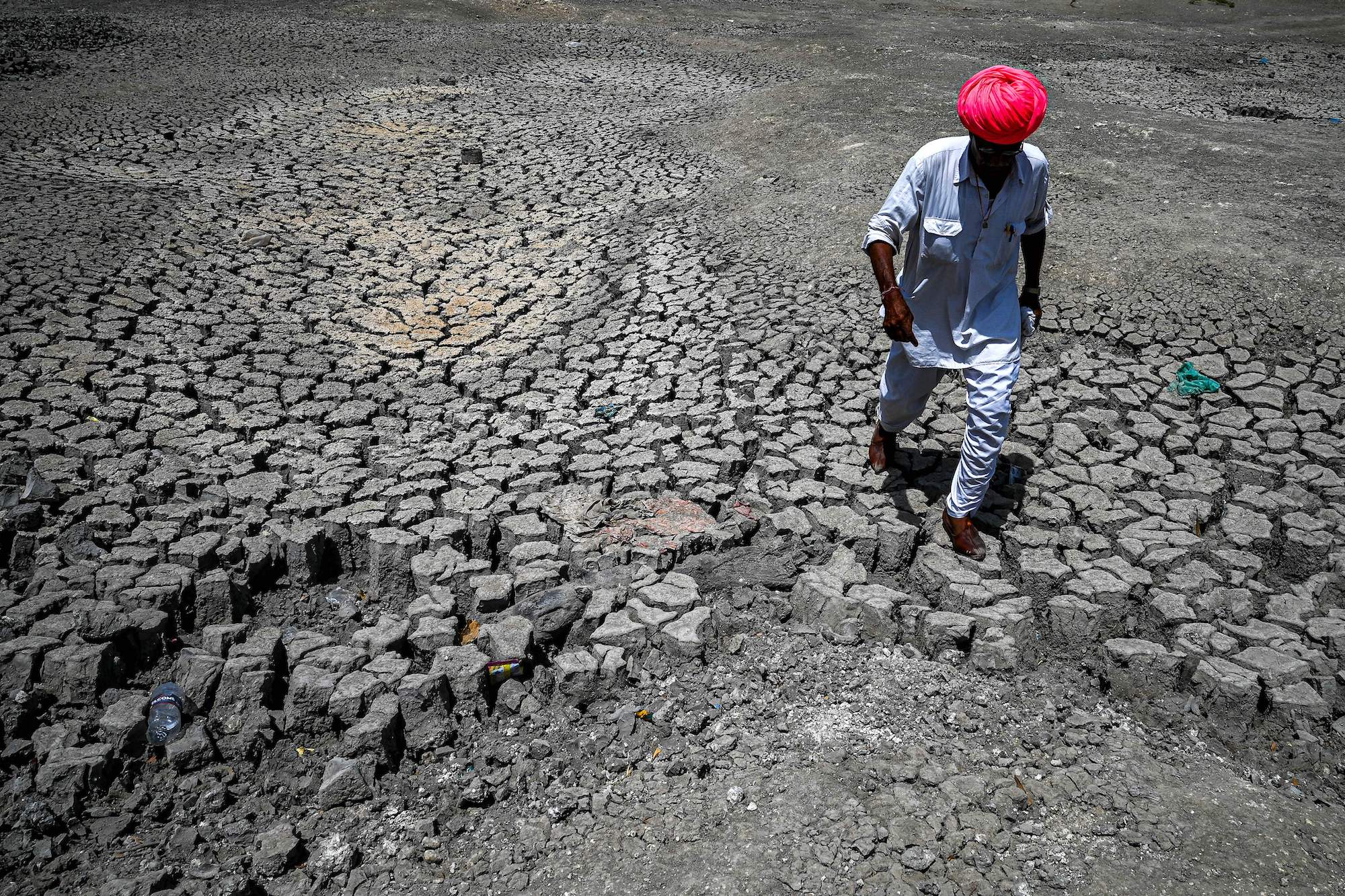
Top Summary
- What happened: Research analyzing six heatwaves (2003-2024) found deadly conditions for older adults, even below previously assumed survivability limits.
- Why it matters: Existing heatwave death tolls are likely underreported, and current climate change impacts pose a grave risk to hundreds of millions.
- What changes for people: The study highlights the urgent need for better heatwave preparedness, especially for vulnerable populations.
- Who is affected: Primarily older adults (65+), and those in developing, densely populated areas, especially India and the Middle East.
Heatwaves Exceeding Survival Limits
New research indicates that extreme heatwaves are creating conditions that are already “non-survivable” for humans. These heatwaves have resulted in thousands of deaths, a number likely significantly underestimated.
Scientists re-examined six extreme heatwaves between 2003 and 2024, finding that temperature, humidity, and the body's cooling ability combine to make them potentially deadly for older people.
Challenging Existing Assumptions
The previously assumed absolute limit for human survival was six hours of exposure to a wet bulb temperature of 35°C.
However, heatwaves in Mecca (2024), Bangkok (2024), Phoenix (2023), Mount Isa (2019), Larkana (2015), and Seville (2003) caused thousands of deaths despite not reaching this limit.
A New Model for Survivability
A new model considers the body's ability to function and stay cool based on age. The results were alarming.
“My first thought was ‘Oh shit’ – I really didn’t expect to see that, especially when you zoom in to individual cities,” said Prof Sarah Perkins-Kirkpatrick.
All six heatwaves included periods where deadly heatstroke was likely for those over 65 in full sun. The Larkana and Phoenix heatwaves saw such conditions even in shade.
Underreported Deaths and Grave Risks
The research, published in Nature Communications, suggests that heat-related deaths are “undoubtedly and seriously underreported,” especially in developing and densely populated areas.
The results showed that “deadly conditions have already placed hundreds of millions of people at grave risk.”
Vulnerable Populations
Older people are particularly vulnerable because their ability to sweat is reduced, particularly for those over 75.
“Conditions that threaten human life are already here and the risk moving forward is almost certainly much greater than we previously thought,” said Prof Ollie Jay.
The Need for Mitigation
Mitigating higher temperatures is essential for humans to live and thrive in the hottest and most humid places.
“The fact we are so close to physiological limits means that mitigating higher temperatures is essential to humans still being able to live and thrive in the hottest and most humid places, including the top end of Australia and much of the tropics, but especially in India and the Middle East,” Prof Steve Sherwood said.
What to Watch Next
Future research will likely focus on refining the survivability model and assessing the impact of climate change on heatwave frequency and intensity. Governments and public health organizations need to prioritize heat action plans to protect vulnerable populations.